




Last updated: November 20, 2026
Quick Answer: for How to choose a face mask by packaging style and application control, one practical default is a tube, because it usually gives the easiest squeeze with less mess; a pump dispenser is the cleaner repeat-dose option, and a jar is best only when you want broad access for thicker formulas. For How to choose a face mask by packaging style and application control, the main question is not “what looks nicest?” It is “how much product do I want to expose to air, fingers, and waste while I apply it?”
Key takeaways
- Packaging changes more than shelf appeal. It changes how easy the mask is to dispense, how much product you touch, and how much you waste.
- Tubes and pump dispensers can give strong dose control for a person who wants a neater routine.
- Jars give the widest opening, which makes scooping easy but also makes overuse and contamination more likely if you dip in with wet fingers.
- Sachets and single-dose packs help with travel and short trips, but they can be awkward if you want more than one use.
- The right pick depends on your routine: one full-face use at home is a different job from a quick mask after shaving.
Therefore, if the goal is to support face mask shopping and selection, this guide sits under the main hub page for face mask shopping and selection — The Complete Guide.
What does packaging style change?
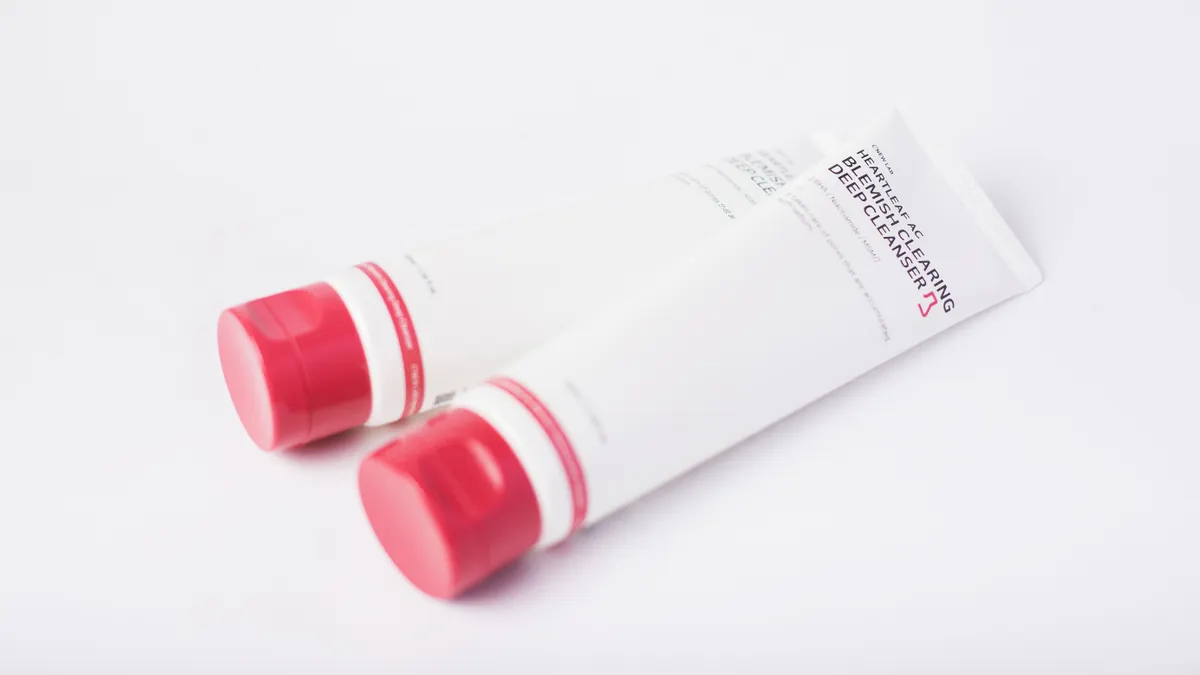
Packaging style changes how you apply the mask, how much you control the amount, and how often the product meets air or fingers. A jar, tube, sachet, pump dispenser, or single-dose pack can all hold the same kind of mask, but they do not feel the same in use.
That matters because a face mask is not just a formula in a box. The package decides whether you scoop, squeeze, pump, or tear, and each of those actions affects speed, mess, and leftover product. A jar may suit a thicker mask that needs a spatula. A tube often suits a smoother cream that comes out in a ribbon. A sachet can be fine for one application, while a pump dispenser works well when you want repeatable doses.
Specifically, the useful way to think about packaging is by three control points. First is access: how easy it is to get the product out. Second is dose control: how well the package limits too much or too little. Third is hygiene: how much the product is exposed each time you open it. Those three points matter more than the label art.
A general article can treat packaging as an afterthought, so it is worth checking guidance from the U.S. Food and Drug Administration and the American Academy of Dermatology if you need broader skin-care context. That kind of source can help a reader avoid assuming that packaging is only about appearance. The package can save time in a 2-minute routine or create a mess every night. It can also make a mask feel more precise even when the formula is the same.
Which package gives the most control?
A tube usually gives the most practical control, while a pump dispenser can give the most repeatable control. Jars are broad and flexible, sachets are fixed, and single-dose packs are the most limited by design.
Here is the quick comparison.
| Packaging style | Application control | Main advantage | Main drawback |
|---|---|---|---|
| Tube | Good | Easy to squeeze out a small amount | Can leave product near the cap opening |
| Jar | Moderate | Easy to access thicker formulas | Easy to take too much |
| Pump dispenser | Good to very good | Cleaner dosing with less direct contact | Not every thick mask moves well through a pump |
| Sachet | Low to moderate | Portable and simple for one use | Hard to reseal or store neatly |
| Single-dose pack | Very high for one use | Fixed amount, minimal guesswork | Little flexibility if you need less or more |
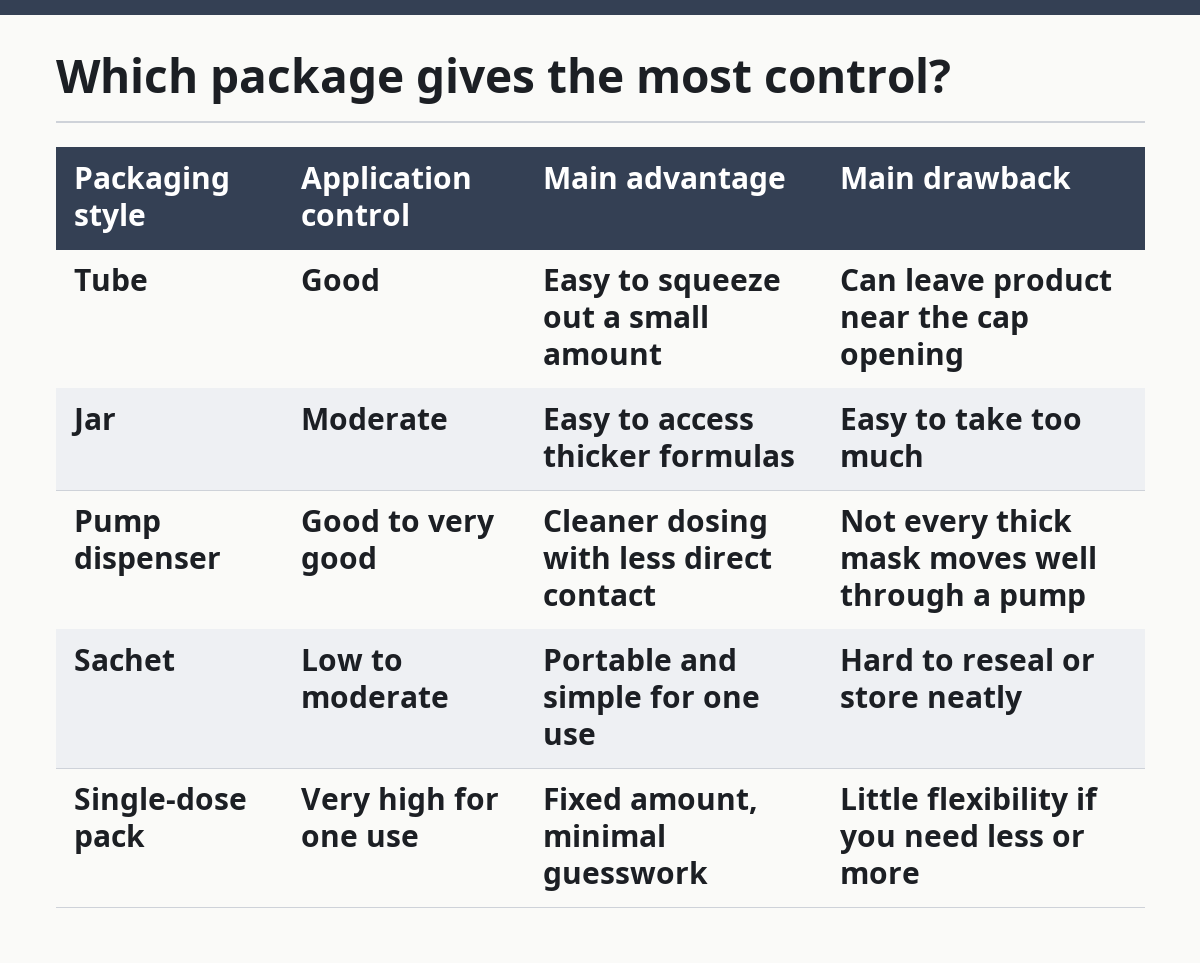
For example, a tube works well when you want to stop at a pea-sized or strip-sized amount without fishing around in the jar. A pump dispenser helps when you want the same amount each time, especially if the mask comes in a smoother texture. A jar can still work, but it asks for more discipline because the opening invites excess product on the spatula or fingers.
Meanwhile, sachets are useful when you want a one-time packet for a trip, a gym bag, or a short routine. The trade-off is that once opened, the packet is usually awkward to close well. Single-dose packs reduce guesswork by making the amount fixed, which is helpful if you do not want to measure at all. They are less flexible if you only need part of the contents.
In short, the honest ranking depends on the use case: pump dispenser, tube, jar, sachet, then single-dose pack. That is not a statement about product quality. It is a statement about how much say you have over each application.
How do jars, tubes, and pumps differ in real use?
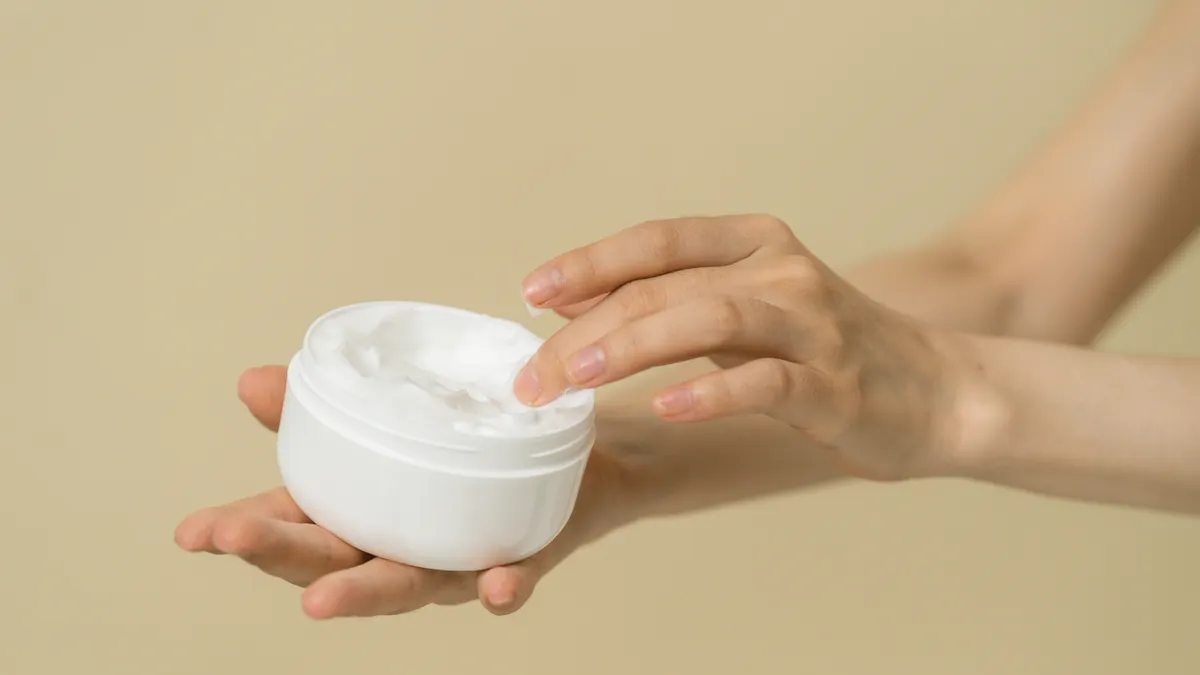
Jars are the most open, tubes are the most familiar, and pumps are the most controlled for repeat use. Each one creates a different habit, and the habit matters as much as the package itself.
For instance, a jar works well when the formula is thick or buttery and you want to use a spatula. The broad mouth makes it easy to reach every last bit, but it also makes it easy to overfill a scoop. If a person tends to use a lot, a jar can become the least efficient option.
A tube usually gives better dispensing control because the opening limits how much comes out at once. It also tends to be easier to close quickly, which helps during a rushed routine. The downside is that thicker formulas can collect around the nozzle or cap, which means you may need to wipe the tip more often.
A pump dispenser is strong for application control because it turns the mask into a measured action. One press gives one dose, or close to it, depending on the product. That is useful when you want a cleaner counter and fewer sticky fingers. However, not every mask texture moves well through a pump, so the most suitable pump package is not always the right package for a very dense formula.
Ultimately, the practical choice depends on the kind of control you want. If you want broad access and do not mind using a spatula, a jar is fine. If you want a neater squeeze, choose a tube. If you want the same amount each time, a pump dispenser often makes the most sense.
Where do sachets and single-dose packs fit?
Sachets and single-dose packs fit best when portability and a fixed amount matter more than flexibility. They are not the daily choice for everyone, but they solve a very specific problem.
A sachet is useful when you want a mask in a slim packet that can go into a travel pouch or tote bag. It is also useful if you only need one application and do not want a larger container taking up space. The trade-off is that sachets are awkward to reseal, so any leftover product can become messy.
Next, single-dose packs go one step further. The amount is already portioned, so the user does not have to judge how much to squeeze or scoop. That reduces decision fatigue and makes the application process fast. It also means there is almost no room to adjust the amount if the face needs less product than the pack provides.
This is where a generic “pick what you like” article fails. A person who takes a mask to the gym does not have the same needs as someone who keeps one on a bathroom shelf. Single-dose packs are often the better answer for short trips or one-off use. A tube or pump dispenser is usually the better answer for repeat home use over weeks.
So these smaller formats are not the most efficient if you use masks often. They can create more packaging waste than a larger container used many times. If the goal is convenience over the course of a month, a pump or tube often wins.
How do you choose by application control?
Choose the package by matching the opening, dose, and cleanup to your routine. The best way to decide is to move through the choice in order, starting with where and how you apply the mask.
- Decide whether you apply at home or on the go. A bathroom shelf points you toward a jar, tube, or pump dispenser. A travel pouch points you toward sachets or single-dose packs.
- Decide whether you want to measure or squeeze. If you want a fixed amount, pick a pump dispenser or single-dose pack. If you want to adjust by feel, a tube or jar is easier.
- Decide how much contact you want with the product. If you want less direct contact, avoid a jar unless you are using a spatula. Tubes and pumps keep fingers out of the container more often.
- Decide whether cleanup matters. If wiping a nozzle or closing a cap feels annoying, a simpler opening may seem better at first, but it can cost more time later.
- Match the package to the texture. Thick masks often feel more natural in a jar or tube. Smoother formulas often suit a pump dispenser.
- Test your own habit, not the package’s promise. If you routinely squeeze too much, choose a format that limits the amount. If you routinely underuse a mask, choose one that makes the product easy to reach.
Therefore, that order keeps the decision practical. It avoids the common mistake of choosing a pretty package first and discovering later that the opening is too narrow, the cap gets messy, or the container is hard to dose with one hand.
A person looking for best face masks for redness after shaving may also care about application control because post-shave skin often prefers a calm, gentle routine with less rubbing. Packaging that avoids extra handling can feel easier to live with, even before the formula is considered.
What mistakes cost the most?
The biggest mistake is choosing a package that looks tidy but wastes product in daily use. That usually means picking a jar when you dislike scooping, or picking a sachet when you actually need repeated applications.
Another mistake is assuming all dispensing styles handle the same texture. A very thick mask can become annoying in a pump dispenser, while a thin mask in a jar can run onto the lid or rim. The cost is not just mess. It is frustration, and frustration is what makes a product get left on the shelf after a week.
In contrast, ignoring how often the product opens to air is also costly. Jars are not “bad,” but they ask more of the user. If you dip in with wet fingers or leave the lid open while you apply, the container gets messier faster. A tube or pump reduces that exposure by design.
As a result, buying single-dose packs for convenience when the routine is regular can become clumsy if the mask is part of a daily or near-daily habit. The short-term gain is speed. The long-term cost can be more waste and more packaging to handle.
There is also a simple rule many articles skip: the best package for a beginner is not always the right package for a careful user. Someone who likes control may prefer a tube or pump. Someone who values one-use simplicity may prefer sachets. The right package depends on the habit you can keep for more than 2 uses.
For cosmetic labeling and packaging basics, the U.S. Food and Drug Administration’s cosmetics information page is a useful starting point: https://www.fda.gov/cosmetics. For broader skin-care guidance, the American Academy of Dermatology is another authoritative source.
How should you choose if you only want one answer?
Overall, choose a tube first if you want the safest all-around bet for application control. Choose a pump dispenser if you want the cleanest repeat dosing. Choose a jar only if you are comfortable scooping and do not mind a wider opening.
That short answer is not about fashion or trend. It is about control. A tube gives you a compact squeeze and enough structure to keep the amount manageable. A pump dispenser gives you repeatability, which is useful if you dislike guessing. A jar gives access, but access without control can lead to waste.
Sachets and single-dose packs are the special cases. They are strong choices for travel, short stays, and one-time use. They are weaker choices for a routine that repeats every few days because they give you less flexibility and more packaging to handle.
Finally, the wrong choice is the one that fights your hands. If you want neat dosing, do not pick a format that makes you spoon product out of a wide opening every time. If you want portability, do not pick a large container that takes up space you do not have. Packaging style should reduce friction, not add it.
Which face mask packaging is easiest to use?
In general, a tube or pump dispenser is usually easiest to use because both give quick access without much mess. A tube is simpler to squeeze, while a pump dispenser gives more repeatable dosing. A jar can be easy for thick formulas, but it usually needs more handling, which can slow the routine down.
Does packaging affect hygiene?
Yes, packaging affects hygiene because some formats expose the product more than others. Jars usually bring fingers or a spatula close to the whole container opening, while tubes and pumps limit direct contact better. That does not make a jar unsafe by itself, but it does make careful handling more important.
Is a tube better than a jar for masks?
Usually, a tube is better than a jar when application control matters most. It often gives a cleaner squeeze, less product waste, and less contact with the rest of the formula. A jar still has a place for thick masks, but it asks for more discipline during each use.
Drafted with AI; not yet reviewed by a person.


Leave a Reply