


Last updated: November 19, 2026
Key Takeaways
- Preservatives help keep water-rich masks from becoming a place where microbes grow.
- They protect formulas with water, plant matter, or other microbe-friendly ingredients.
- Common systems include phenoxyethanol, sodium benzoate, potassium sorbate, and parabens, often used together.
- Skip a preserved mask if a listed ingredient bothers your skin or if you react easily to fragrance, botanicals, or certain preservatives.
Face mask preservatives explained in plain English: face mask preservatives explained: why they are used and when to avoid them starts with one simple rule — if a mask contains water, preservatives are usually part of the formula. In short: if a mask is wet, jarred, or mixed with aloe, clay slurry, or plant extracts, preservatives matter more than in a dry powder. The sections below sort out which types show up, which ones can bother sensitive skin, and when a preservative-free formula makes more sense.
Face mask preservatives explained in plain English
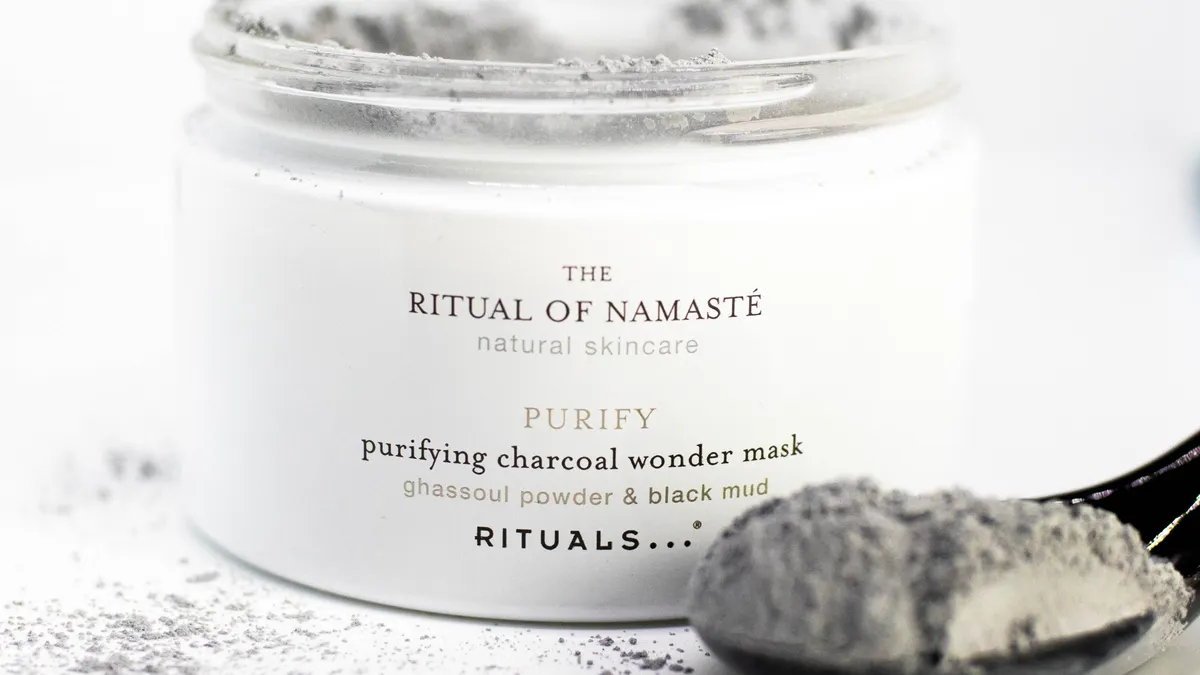
Preservatives stop a water-rich face mask from becoming a better place for microbes to grow. That matters in a water-based formula, a jar you dip into, or any product that sits around after opening for weeks or months. The job is simple: slow spoilage, protect the product, and keep the texture from changing too fast.
Picture this: you open a cream mask, scoop out a little with your fingers, and close the lid again. You’ve just given the formula a chance to pick up moisture, skin residue, and germs, so the preservative system has to do real work. Not cosmetic fluff.
The catch is that preservatives are not one thing. A mask might use phenoxyethanol, sodium benzoate, potassium sorbate, or parabens, or it may rely on a blend. Each one behaves differently in terms of pH, water content, and the kind of microbes it targets.
- Phenoxyethanol: common in leave-on products and masks; often used in blends.
- Sodium benzoate: works best in acidic formulas.
- Potassium sorbate: also prefers lower pH.
- Parabens: effective at low use levels and long used in cosmetics.
For a wider look at ingredient roles, this topic sits under the hub on face mask ingredients and formulation science.
Why preservatives are added to face masks
Preservatives are added to protect a formula that contains water, plant matter, or other microbe-friendly ingredients. A clay mask with added water, a cream mask in a jar, or a gel mask with botanical extracts is not the same as a dry powder mixed fresh at home. The first has a shelf-life problem.
Picture this: you’re comparing a rinse-off clay mask and a whipped cream mask on a shelf. One may look dry and earthy, but if it contains enough water in the base, it still needs a defense against contamination. The other often needs more than one preservative because oils, humectants, and botanical extracts can complicate the formula.
Preservatives also protect the product’s look and feel. Without them, a mask can separate, smell off, change color, or lose its smooth texture before the date on the package. That’s a shelf-stability issue, not just a hygiene issue.
Here’s the practical rule: the more water in the system, the more likely a preservative is needed. A dry clay powder that you mix with water right before use is a different case from a pre-mixed cream in a 50 mL jar.
- Water supports microbial growth.
- Jars are more exposed than tubes or pumps.
- Botanicals and sugars can feed spoilage.
- Longer shelf life usually needs a stronger preservation system.
A preservative system is there to buy time. It does not make bad handling safe, and it does not turn a fragile formula into a forever product.
Which preservatives are common in face masks?
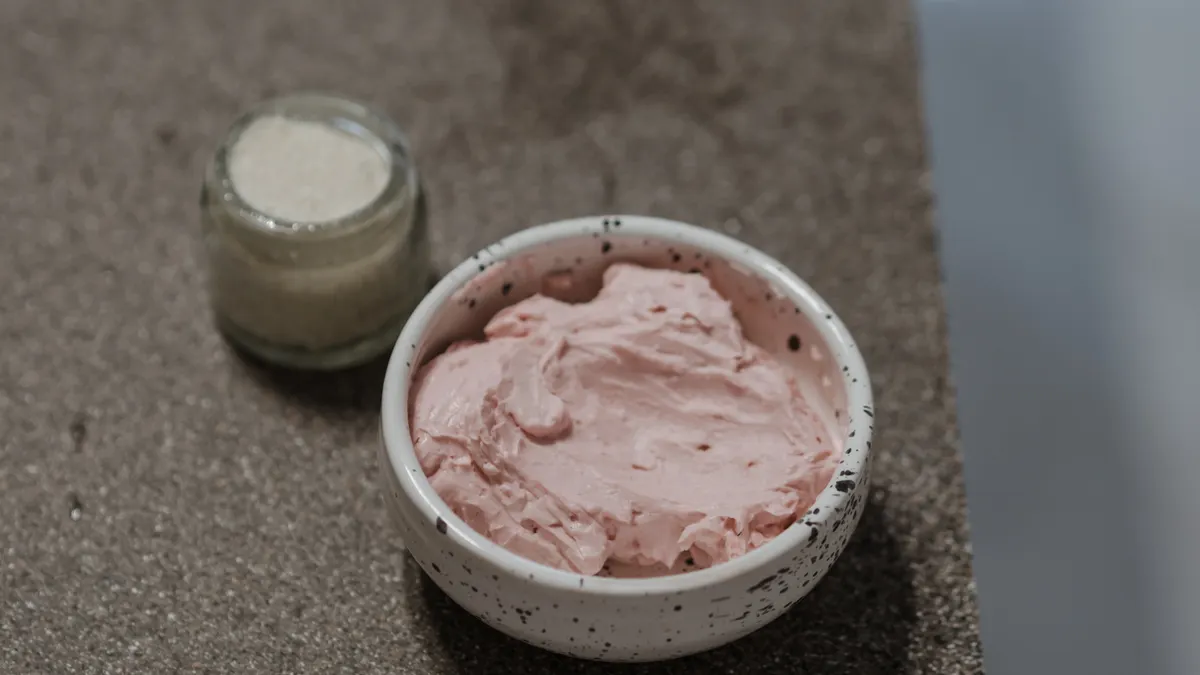
Common preservative systems in face masks include phenoxyethanol, sodium benzoate, potassium sorbate, and parabens, often in combination rather than alone. That combination matters because one ingredient may cover bacteria well while another helps against yeast or mold. Cosmetic formulators rarely rely on a single trick if the formula is water-rich.
Picture this: you read a label on a sheet mask serum, a cream mask, and a clay mask with aloe. The names change, but the logic is the same. A formula with water usually needs a system that works across the whole package, from opening day to the end of use.
A few basics help here:
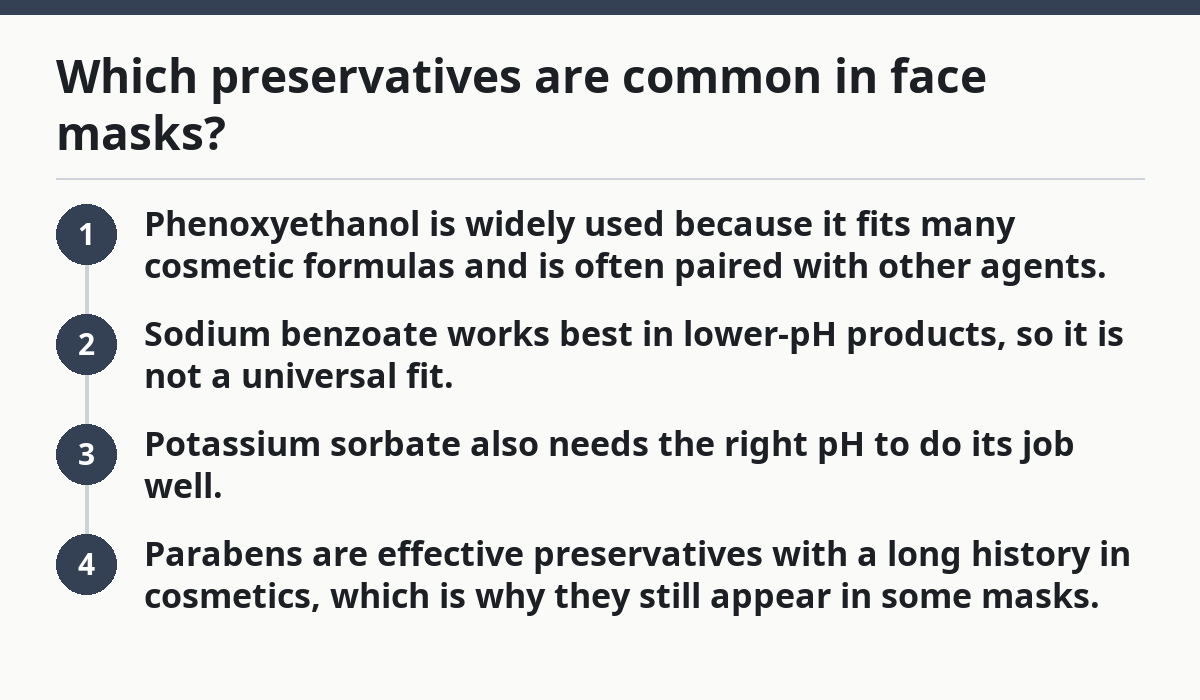
- Phenoxyethanol is widely used because it fits many cosmetic formulas and is often paired with other agents.
- Sodium benzoate works best in lower-pH products, so it is not a universal fit.
- Potassium sorbate also needs the right pH to do its job well.
- Parabens are effective preservatives with a long history in cosmetics, which is why they still appear in some masks.
Different preservative systems have different trade-offs. One may be milder for some users but narrower in range. Another may be effective across a wider set of microbes but less welcome to someone with a known sensitivity. That is why the ingredient list matters more than the marketing on the front.
You do not need to memorize every preservative family to understand the formula. You only need to notice whether the mask is water-based, jarred, and meant to sit on the shelf for a while.
When should you avoid a preserved face mask?
You should avoid a preserved face mask when you know a specific ingredient bothers your skin or when your skin reacts easily to fragrance, botanical extracts, or certain cosmetic preservatives. That is a sensitivity question, not a fear-of-preservatives question. A well-preserved mask can still be the wrong product for you.
Picture this: your skin gets red or itchy after a cream mask, but a plain clay powder feels fine. The problem may not be “preservatives” as a category. It may be one ingredient in the preservative blend, the overall formula, or the amount of time the mask stays on your skin.
This is where the label matters. If you already know you react to phenoxyethanol, parabens, sodium benzoate, or potassium sorbate, skip products that include that ingredient and choose a simpler formula. If your skin tends to sting from acidic products, a formula that uses benzoates or sorbates may deserve extra caution because those systems often work best at lower pH.
Common reasons to avoid a preserved mask include:
- You have a known reaction to one listed preservative.
- Your skin is already irritated, cracked, or inflamed.
- The mask is packed with extra triggers, such as fragrance or strong acids.
- You prefer a fresh-mixed powder mask because you want fewer additives.
Here’s the catch: “preservative-free” does not always mean safer. It can mean a dry powder, a single-use packet, or a formula that relies on other preservation tactics. A product still has to stay stable somehow, even if the word “preservative” is missing from the front label.
How to read a preservative system before you buy
A preservative system makes more sense when you match it to the formula, not to the hype. Start by checking whether the mask is a cream, gel, clay, or powder, then look for the water-related ingredients and the preservatives listed near the end. In a cosmetic formula, order matters, but a low-position ingredient can still matter.
Picture this: you’re standing in a store and holding two masks. One is a dry clay powder in a 100 g / 3.5 oz pouch. The other is a whipped mask in a tub. The powder may not need the same preservative load as the tub, because it is not already carrying water.
Use this simple check:
- Identify the format: powder, clay paste, cream, gel, or sheet mask. A wet or ready-to-use mask usually needs a preservative system.
- Look for the preservative names: phenoxyethanol, sodium benzoate, potassium sorbate, or parabens are common examples.
- Notice the pH clue if it’s given. Benzoates and sorbates work best in acidic formulas, so they are often paired with that kind of base.
- Check the rest of the formula for common triggers like fragrance, essential oils, or strong acids. A preservative can be only one part of an irritation problem.
- Choose the simplest formula that fits your skin and use case. Fewer extra actives can mean fewer things to react to.
One more practical point: a mask that uses a preservative system well can sit on a shelf longer and stay more consistent in texture. That is the point of preservation. It is not there to impress you on the ingredient list.
What preservative sensitivity feels like
Preservative sensitivity usually shows up as stinging, redness, itching, or a rash after use, and it can look a lot like irritation from the rest of the formula. That makes it easy to blame the wrong ingredient. A reaction to a mask is not proof that every preservative is the problem.
Picture this: you try a mask for 10 minutes, rinse it off, and your cheeks stay hot for the rest of the afternoon. That reaction could come from the preservative, but it could also come from fragrance, acids, exfoliating particles, or the mask staying on too long for your skin type.
The difference between irritation and sensitivity matters because the fix changes. If a mask stings only because it is too strong or left on too long, the answer may be a shorter wear time. If a specific preservative shows up in a repeat pattern, the answer is usually ingredient avoidance.
A few signs to watch for:
- Burning or stinging soon after application
- Red patches that appear in the same areas
- Itchiness that lasts after rinsing
- Flaking or tightness after a mask that was supposed to soothe
Do not assume that “natural” means gentler. A plant-heavy mask can still need preservatives, and the plant extracts themselves can be more irritating than a standard cosmetic preservative. That is especially true in masks with botanicals, acids, or fragrance.
Which face masks are more likely to need preservatives?
Water-based masks are more likely to need preservatives, especially cream masks, gel masks, sheet-mask serums, and any jarred product that you scoop from repeatedly. A dry powder or anhydrous clay blend is less likely to need the same kind of preservation system because it has less free water. That is the cleanest dividing line.
Picture this: you are comparing three products on a counter — a dry powder mask, a thick cream mask in a jar, and a wet sheet mask in a foil pouch. The cream and sheet mask are the ones where the preservative system matters most, because they already contain water and are meant to stay usable over time.
A helpful shorthand:
- More likely to need preservatives: cream masks, gel masks, sheet masks, rinse-off masks with added water, jarred formulas.
- Less likely to need preservatives: dry clay powders, single-use dry mixes, anhydrous balm-style masks.
- Still worth checking: “natural” masks with aloe, hydrosols, or botanical waters.
A product can still use preservatives even if it is sold in a single-use packet. The packet lowers contamination risk, but it does not remove the need for a stable formula if the mask contains water. That is why the package format helps, but it does not tell the whole story.
If you want a one-line rule, use this: water plus time equals preservation pressure. The more the formula sits, the more it needs a system that slows microbial growth and keeps the mask from changing before you finish it.
Are preservatives necessary in face masks?
Preservatives are usually necessary in water-based face masks because they help prevent microbial growth and keep the formula stable. Dry powder masks are the main exception, since they are mixed fresh and do not carry water in the package. The exact need depends on the formula, the packaging, and how the product is meant to be used.
A jar of cream mask and a dry clay powder are not the same problem. The jar needs a preservation plan built in from the start, while the powder can often avoid that by staying dry until use. That is why package type matters, but ingredient list matters more.
Can preservatives irritate sensitive skin?
Preservatives can irritate sensitive skin, especially if you already react to a specific ingredient or if the mask has several other trigger ingredients. A reaction to one formula does not mean all preserved masks are a bad fit. It means that formula is not right for your skin.
If your skin is reactive, keep an eye on the whole ingredient list, not just the preservative name. Fragrance, acids, and botanicals can all cause stinging or redness, and they often get blamed on the preservative because that is the easiest name to spot.
Which face masks are more likely to need preservatives?
Water-based masks are more likely to need preservatives, especially creams, gels, sheet-mask serums, and jarred rinse-off masks. Dry powders and some anhydrous clay masks are less likely to need the same level of preservation because they do not start with much water.
If the mask is already wet, soft, or scoopable, a preservative system is doing real work. If it is dry and mixed right before use, the preservation need is usually lower.
Drafted with AI; not yet reviewed by a person.

Leave a Reply