


Last updated: November 20, 2026
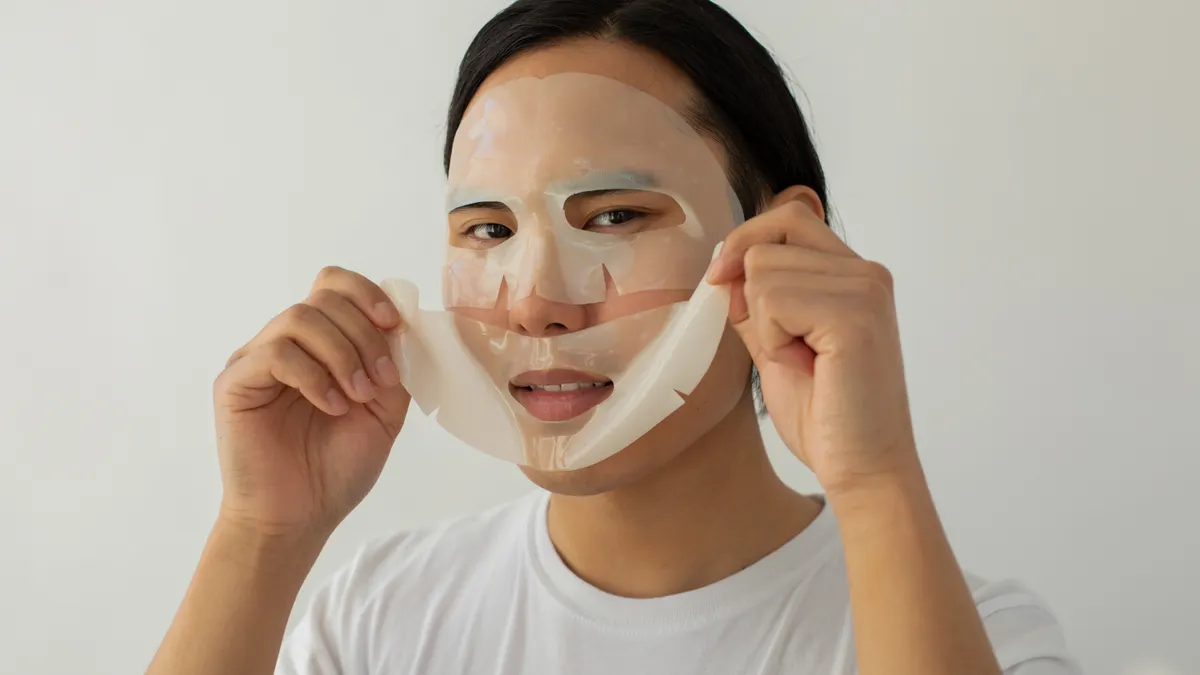
Hydrogel face masks feel cooler, cling more tightly, and usually stay more evenly in contact with skin than fabric sheet masks. Fabric sheet masks are thinner and often simpler to wear, but they can slide, dry out faster at the edges, and leave less of that cushioned gel feel.
Key takeaways
- Hydrogel masks are the better pick when a cooling feel and close fit matter most.
- Fabric sheet masks are the easier pick when you want a lighter, thinner mask with less fuss.
- The real trade-off is contact: hydrogel holds closer to the skin, while fabric depends more on the cloth staying damp and flat.
- If redness after shaving is your main concern, the cooler, more sealed feel of hydrogel usually makes more sense.
- Neither format is magic; the skin still decides how much serum essence it tolerates.
What actually makes hydrogel face masks different?
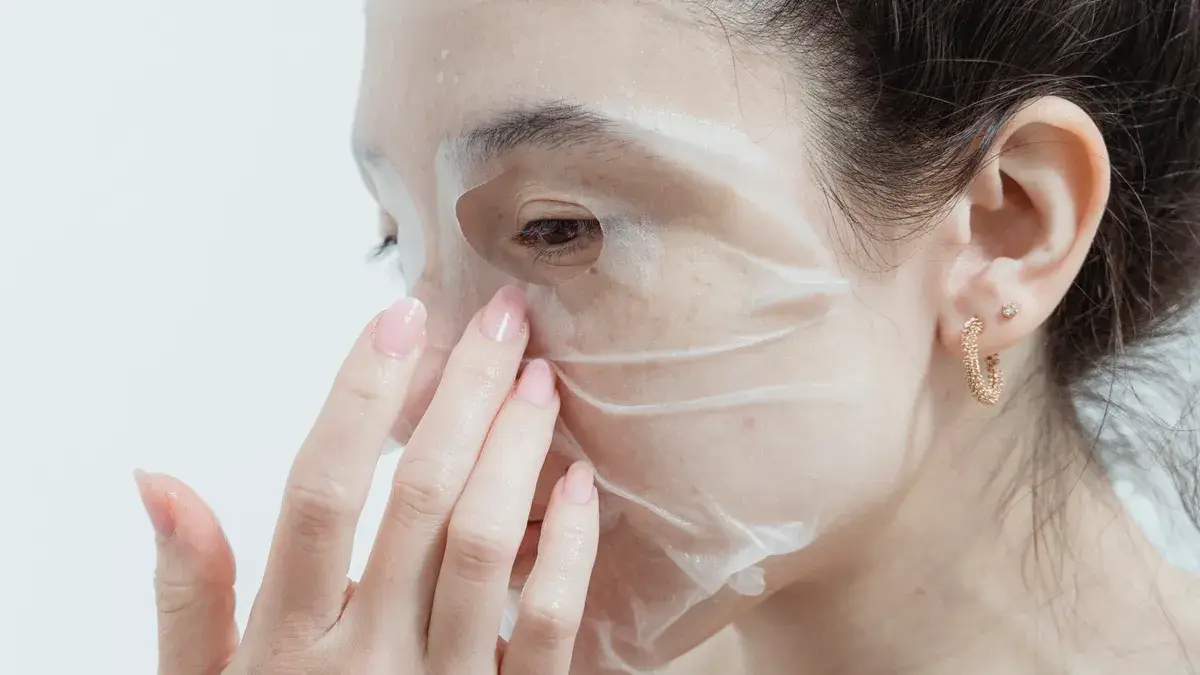
Hydrogel face masks are different because the mask itself is a gel matrix, while fabric sheet masks use a sheet of cellulose or another fiber soaked in serum essence. That one change affects almost everything you feel on the face: thickness, cling, cooling, and how the serum sits against skin.
Hydrogel is usually thicker and more jelly-like. Fabric sheet masks are usually thinner and more cloth-like, so they tend to feel lighter but also less “locked in.” The hydrogel format can press more evenly into curves around the nose, cheeks, and jaw, which matters when the goal is steady contact instead of just a wet sheet on top of skin.
The practical difference is not about glamour. It is about how the mask behaves for the minutes it is on your face. If you care about a chilled, cushiony feel and less slipping, hydrogel wins. If you care about a simple, familiar mask that disappears faster on the skin, fabric sheet masks are easier to live with.
For the broader materials picture, this page sits under the hub on face mask materials explained, where sheet, cream, clay, gel, and overnight masks get separated by function instead of hype.
Hydrogel masks: who should actually use them?
Hydrogel masks are the better choice for someone who wants more skin contact, a cooler feel, and a mask that tends to stay put better than a thin fabric sheet. That makes them a strong fit for red, warm-feeling skin after shaving, especially when the main goal is comfort during wear.
The material matters here. Because hydrogel is a gel matrix rather than a woven sheet, it usually has more body and a heavier hand. That extra thickness is part of the appeal: it can feel calming on skin that has been rubbed, shaved, or irritated. It also tends to sit more evenly over facial contours, which helps when the concern is patchy contact around the chin or upper lip.
The weakness is just as clear. Hydrogel can feel heavy, and that is not always pleasant on oily skin or for people who dislike a mask that feels obvious the whole time. It can also be less forgiving if you want something thin enough to forget about in a few minutes. Some readers will love the sealed, cushioned feel; others will call it too much.
Pros and cons of hydrogel masks
Pros
- Cool, cushiony feel
- Better cling on many face shapes
- Thicker material can feel more stable
- Often a strong match for red or freshly shaved skin
Cons
- Can feel heavy or “much” on the face
- Less airy than a thin fabric sheet
- Not the best pick if you hate a noticeable mask texture
Hydrogel is the better choice for a user who wants the mask to feel like it is doing something, not just sitting there. It is not the best choice for someone who wants the lightest possible face mask or who dislikes a gelled texture.
Fabric sheet masks: where do they still win?
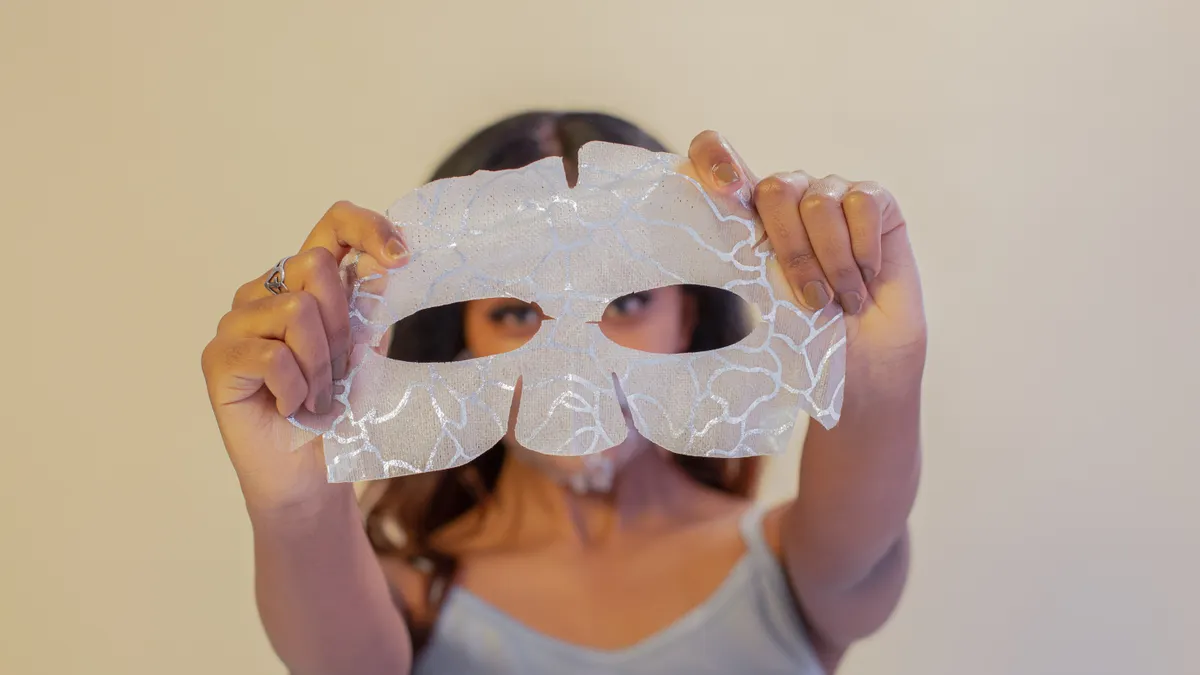
Fabric sheet masks win when thinness, light weight, and easy wear matter more than a chilled, grippy feel. The cellulose-based sheet is usually simpler in feel and less dense on the skin, which makes it the safer pick for people who want a familiar sheet-mask experience without the heavier gel layer.
That thinner build has a benefit: it can feel less enclosing. Some people prefer that because a thick mask can make the face feel warm or crowded. Fabric sheet masks also tend to be easier to unfold and place, since the material is usually more flexible in a cloth-like way and less prone to the tacky, slippery handling that some hydrogel masks have.
The drawback is also obvious once you think about contact. A fabric sheet relies on staying flat and wet enough to keep transferring serum essence. If it starts to dry at the edges or lift at the corners, the experience becomes less even. On a face with a lot of movement, or on skin that is hot after shaving, that can make the mask feel less secure.
Pros and cons of fabric sheet masks
Pros
- Thinner and lighter on the face
- Familiar feel for sheet-mask users
- Often easier to unfold and position
- Good if you dislike heavy textures
Cons
- Can slide or lift more easily
- Less cushioned than hydrogel
- May feel drier at the edges sooner
- Contact can be less even on curved areas
Fabric sheet masks are the better pick for someone who wants the least dramatic experience. They are not the better pick if the main goal is a close, cooling fit with less slipping.
Which one feels cooler and sticks better?
Hydrogel masks usually win on cooling feel and adhesion. That is the clearest difference most readers notice first, and it comes from the material itself rather than the marketing on the box.
A hydrogel mask has more gel mass against the skin, so it often feels cooler at the start and stays more closely attached to the face. That close fit matters for areas like the cheeks and jawline, where a sheet can wrinkle or lift. A fabric sheet mask may still feel soothing, but it usually does not give the same chilled, pressed-on sensation.
The side effect of that advantage is weight. Hydrogel’s better cling can make it feel more present on the face, which is useful if the skin is irritated and annoying if the goal is a barely-there mask. Fabric feels lighter, but lightness is not the same as better adhesion. If the edges dry out, the mask may lose the very contact that makes a serum essence mask worth wearing.
A useful way to think about it is this: hydrogel prioritizes contact; fabric prioritizes ease. One is not universally better. The better one is the one that solves the problem in front of you.
For a general evidence-backed look at skin irritation and after-shave care, the American Academy of Dermatology has practical guidance on reducing shaving irritation, and the NIH MedlinePlus page on skin care is a useful public reference for basic skin-barrier care. Those sources support the same simple point: irritated skin usually likes less friction, not more.
The honest side-by-side
Hydrogel and fabric sheet masks differ most in thickness, cling, and how long they keep an even feel across the face. This table puts the decision in plain terms.
| Criteria | Hydrogel | Fabric sheet mask | Winner for this condition |
|---|---|---|---|
| Material | Gel matrix | Cellulose or fabric sheet soaked in serum essence | Hydrogel for closer contact |
| Thickness | Thicker and more cushioned | Thinner and lighter | Fabric for a barely-there feel |
| Cooling feel | Usually stronger at first | Usually milder | Hydrogel for redness or heat |
| Adhesion | Tends to cling better | More likely to shift or lift | Hydrogel for movement-prone areas |
| Wear experience | More noticeable on the face | Less noticeable | Fabric for comfort with less weight |
| Essence delivery | More even when it stays in place | Depends more on the sheet staying wet and flat | Hydrogel for consistent contact |
| Fit on curves | Often hugs facial contours better | Can wrinkle around edges | Hydrogel for jawline and nose area |
| Material feel | Cushioned, jelly-like | Soft, cloth-like | Depends on texture preference |
| Best use case | Red, warm, freshly shaved skin | Users who want a light sheet-mask feel | Hydrogel for irritation-prone skin |
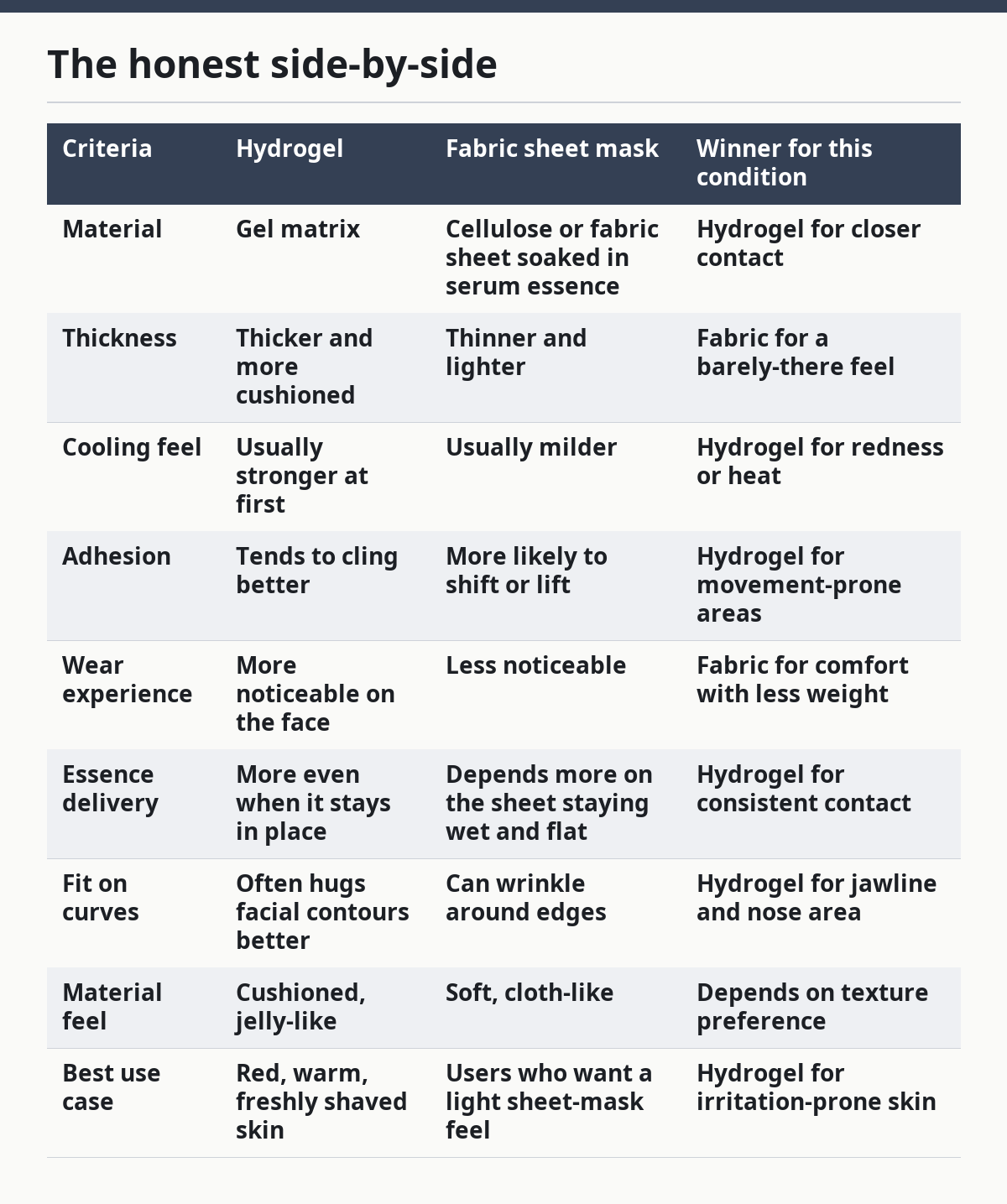
The table points to the same result as the rest of the page: hydrogel is the stronger choice for contact and cooling, while fabric is the simpler choice for comfort and weight.
The verdict: which one should you choose?
Choose hydrogel if your skin is red, hot, or sensitive after shaving and you want the mask to cling better and feel cooler. Choose fabric sheet masks if you want a thinner, lighter mask that feels less dense on the face and you do not mind giving up some adhesion. Neither if your skin is very reactive to leave-on products, because serum essence can still irritate even when the mask material is gentle.
That is the cleanest answer. Hydrogel is the better pick for the problem this site is built around: redness after shaving. Fabric sheet masks are the easier everyday option, but they usually lose on the two things that matter most here, which are cooling feel and close contact.
When does the choice flip?
The verdict flips in a few specific cases, and pretending otherwise would make the advice weaker.
If you hate heavy textures, fabric sheet masks make more sense even if hydrogel sounds more advanced. A mask you will not wear is worse than the “better” mask you leave in the box. If the face is only mildly dry and not especially irritated, fabric can be enough without the extra gel feel.
If the mask keeps sliding because of facial shape, beard stubble, or movement, hydrogel usually flips from “nice to have” to “necessary.” That tighter contact is the point. A loose sheet mask may still feel pleasant, but it can lose the exact contact that makes the experience worth the time.
If the skin reacts badly to rich leave-on products, neither format should be treated as a cure. The material matters, but the serum essence matters too. In that case, a simpler routine may be smarter than picking a different mask style.
If the goal is a fast, low-notice routine, fabric wins by default. The thinner sheet is simply less dramatic, and that can be the right call when the user wants easy, not special.
FAQ
Are hydrogel masks better than sheet masks?
Hydrogel masks are better when cooling feel and close adhesion matter most. They usually sit more evenly on the face and feel more cushioned than fabric sheet masks, which makes them the stronger pick for redness after shaving. Fabric sheet masks still win if you want a lighter, thinner mask that feels less noticeable.
Which mask holds moisture longer?
Hydrogel masks usually hold moisture longer at the skin surface because the gel matrix stays in closer contact with the face. Fabric sheet masks can dry out faster at the edges if they lift or stop lying flat. That said, the result still depends on the specific serum essence and how well the mask fits.
Do hydrogel masks fit better?
Hydrogel masks usually fit better on curved areas because the thicker material clings more closely. That can help around the nose, jaw, and cheeks, where thinner cellulose sheets often wrinkle or shift. If the face is very small or the mask is oversized, fit still depends on the cut, not just the material.
Drafted with AI; not yet reviewed by a person.

Leave a Reply