


Last updated: November 19, 2026
Quick answer: in 10 seconds, one of the most useful clues is the ingredient list — a cream face mask is usually built as an oil-in-water emulsion with enough oils, emollients, and emulsifiers to hold a rich, spreadable texture. A gel mask is usually lighter and water-led, with less oil phase and a more jelly-like structure.

Key takeaways
- Cream masks and gel masks can both look smooth, but the formula behind them is different.
- The biggest clue is the balance of oil and water, not just how thick the jar looks.
- Emulsifiers help a cream mask stay mixed instead of separating into oily and watery parts.
- A cream mask usually leaves a richer comfort finish after 10 to 20 minutes than a gel mask.
- If you want to identify the format fast, read the ingredient list instead of guessing from the packaging.
What makes a cream face mask a cream?
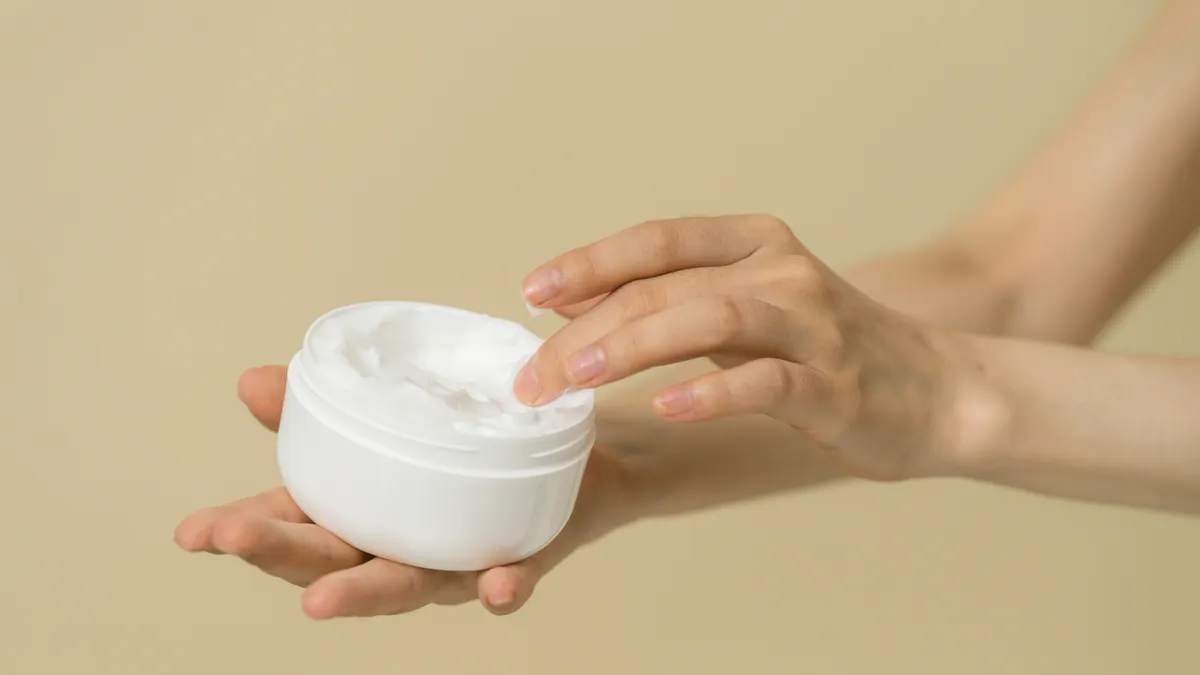
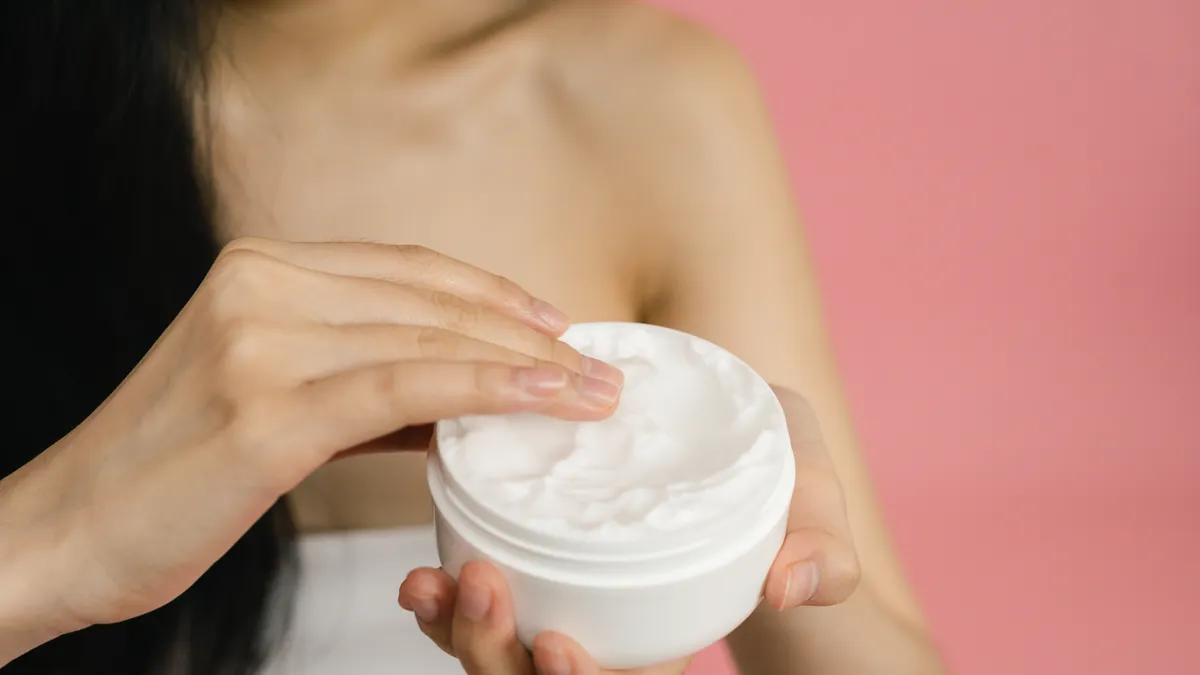
What makes a cream face mask a cream instead of a gel is its oil-in-water emulsion, which has enough oils, emollients, and emulsifiers to feel cushioned and dense when spread. In plain terms, the formula contains enough oil phase, emollients, and emulsifiers to make it feel cushioned and dense when spread.
That difference shows up in both look and feel. A cream mask usually sits in a jar or tube as an opaque, smooth product that spreads with a slip, while a gel mask often looks clearer or more translucent and feels more springy or cool. The label may not shout this out, but the texture is doing the work.
The technical term that matters most is oil-in-water emulsion. That means tiny oil droplets are dispersed through a water base, and emulsifiers keep the blend stable. If the formula has more oil-phase ingredients and a thicker emulsion body, it reads as a cream rather than a gel.
This is also why the same active ingredient can feel different in two masks. A cream mask can carry the same core skincare ingredient in a richer base, while a gel mask can deliver it in a lighter one. The base changes the texture more than the idea of the mask changes.
For a wider map of how mask formats differ, the hub on face mask materials explained: sheet, cream, clay, gel and overnight masks is the next stop.
How is a cream mask different from a gel mask?
A cream mask is different from a gel mask because the cream has more body from oils and emollients, while the gel gets its texture from water and gelling agents. That is the simplest useful split.
Here is the short version side by side.
| Feature | Cream face mask | Gel face mask |
|---|---|---|
| Main feel | Rich, cushioned, soft | Cool, slick, bouncy |
| Formula base | Oil-in-water emulsion | Water-led gel system |
| Texture drivers | Oils, emollients, emulsifiers | Water, gelling agents, humectants |
| Look | Opaque or creamy | Clear to translucent more often |
| Finish on skin | Comforting, more coated | Lighter, fresher, less heavy |
| Common impression | “Richer” | “Lighter” |
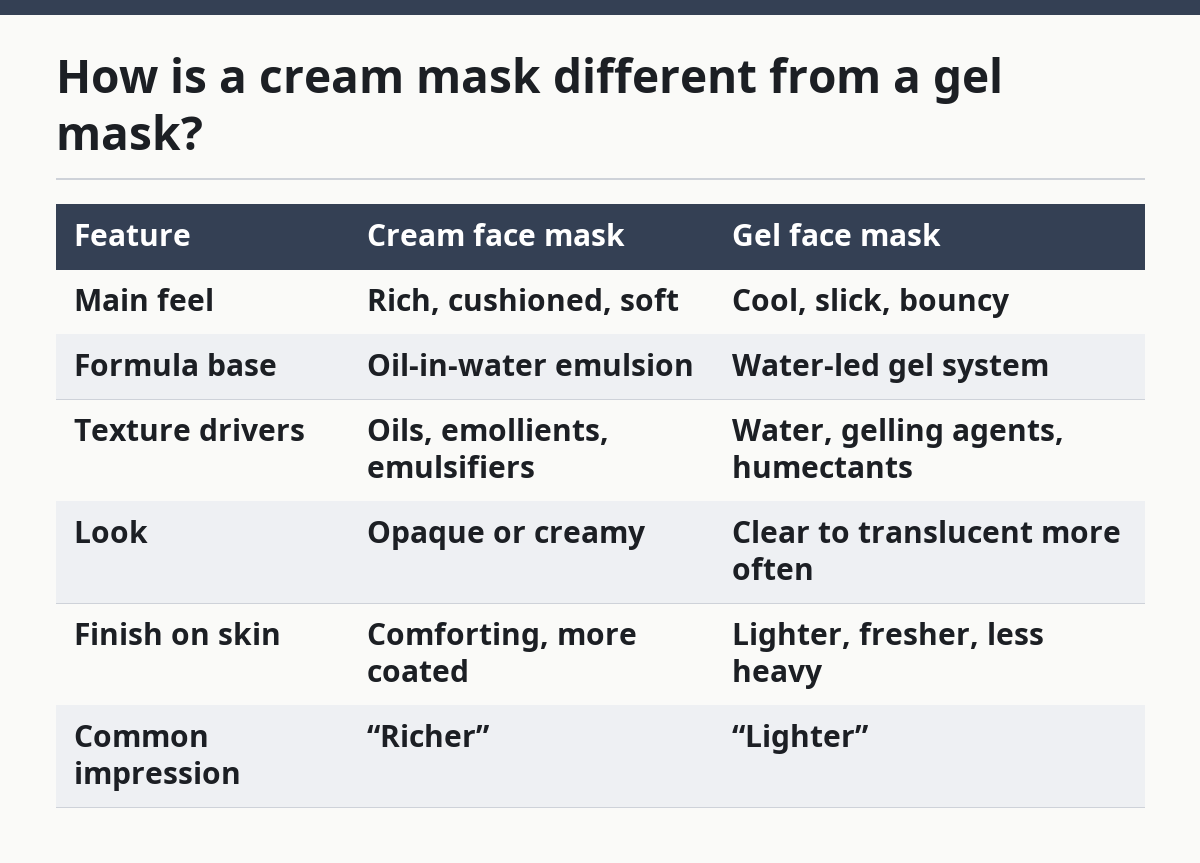
The difference is not just about thickness in the jar. A gel can look thick and still be mostly water, while a cream can look supple and smooth because the emulsion has enough structure to hold its shape. The formula design matters more than the visual trick.
If a reader is trying to tell the two apart in 10 seconds, one of the most useful clues is the ingredient list. Creams commonly lean on oils, fatty alcohols, and emulsifiers. Gels lean on water-first formulas and gelling thickeners, often with a lighter slip and faster-vanishing finish.
That is why a cream mask usually feels more “present” on the skin. A gel mask tends to disappear into a thin film or a fresh layer. Neither is better by default. They are simply different tools with different textures. For a closer comparison, see cream vs gel mask.
Which ingredients give a cream mask its body?
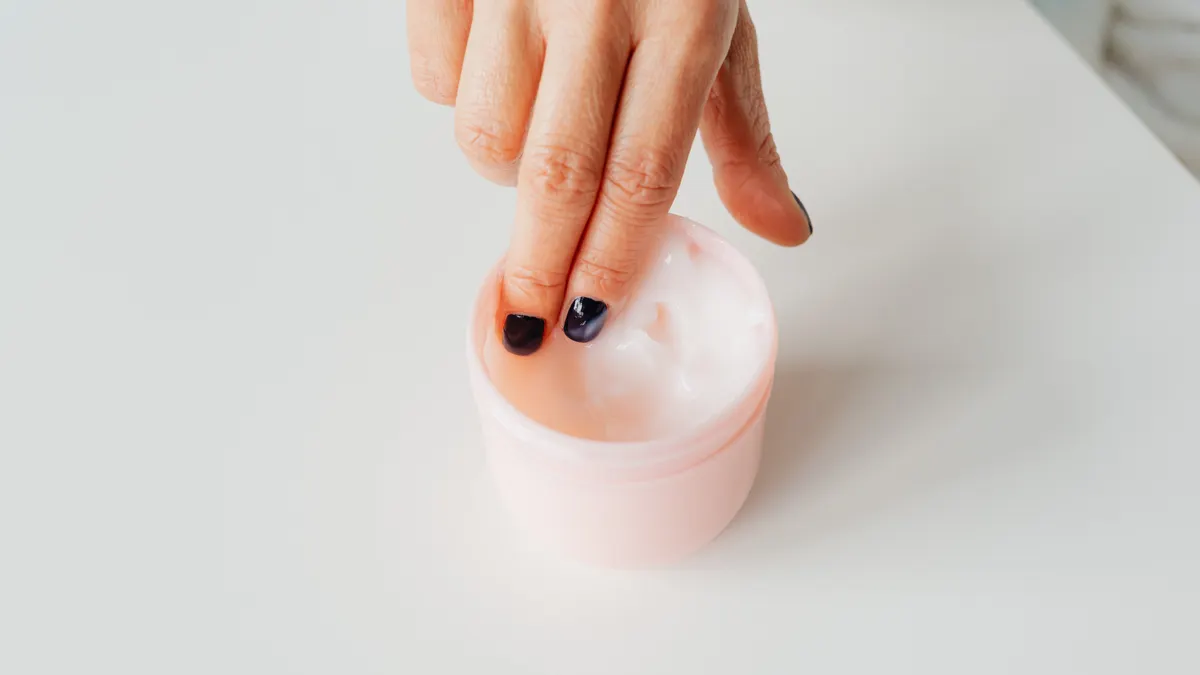
A cream mask gets its body from emollients, oils, and emulsifiers working together at a ratio that keeps the formula rich rather than watery. The ingredient list is the clearest map of that structure.
Here is the core procedure for reading a cream-mask formula:
- Check the first 5 to 8 ingredients on the label. If water is first and oils or emollients follow soon after, the formula may still be a cream, but it will usually be a lighter one.
- Look for oil-phase ingredients such as plant oils, esters, fatty alcohols, or other emollients. These ingredients are part of what gives a cream mask its cushioned feel.
- Find the emulsifiers. These are the bridge ingredients that keep oil and water mixed, so the mask stays smooth instead of splitting into layers.
- Notice the thickening system. A cream mask often relies on a built emulsion body, not just a single gelling agent. That is why it spreads like a lotion rather than a jelly.
- Read the finish clues. Words like rich, nourishing, conditioning, or comfort finish usually point toward a cream-style base, even before the exact ingredient names do.
A generic article often skips the emulsifier step, but that part matters. Without emulsifiers, oil and water do not stay evenly mixed for long. The cream texture is not just “more stuff”; it is a stable structure.
This is also where emollients earn their place. They do not only add softness after the mask is on the skin. They help define the texture in the jar, the glide during application, and the fuller finish after the mask sits for 10 to 20 minutes. See also emollients in skincare formulas.
A cream mask can still contain water as its main ingredient. That does not make it a gel. What makes it a cream is the way the oil phase and emulsified structure shape the final feel.
Why do cream masks feel richer?
Cream masks feel richer because they leave more emollient slip and a denser film on the skin than a gel mask usually does. That richer finish is a texture choice, not a quality score.
The oil content is a big part of that feel. A cream mask typically contains enough oil-phase material to create drag-free spreading, a plush hand feel, and a comfort layer that stays noticeable for the full wear time. A gel mask usually aims for a fresher finish, so it leaves less of that coated sensation behind.
The thickness of the emulsion matters too. A thicker emulsion holds its shape under the finger and resists running. That gives the impression of a “richer” mask even before a person applies it to the face. The skin feel follows the same logic: more body, more cushion.
However, richer is not always the best choice for every use. A cream mask can feel heavier, especially if someone prefers a barely-there finish. It may also look and feel more occlusive than a gel, which is part of the appeal for some readers and exactly the reason others avoid it.
That is why the phrase “comfort finish” matters. The goal of a cream mask is often not a watery burst or a fast-drying film. It is a soft, padded finish that stays pleasant on the skin for a set wear time, often around 10 to 20 minutes, depending on the formula.
How do I tell cream and gel apart on the label?
A cream and a gel can be told apart on the label by looking for oil-phase ingredients, emulsifiers, and the formula’s overall structure rather than the front-of-pack marketing words. The front label can say “hydrating” or “soothing” for either format.
The ingredient order helps most. In many cosmetic labels, ingredients appear from highest to lowest concentration, though small amounts can still change the texture a lot. Water is often first in both formats, so the better clue is what comes next: creams usually bring in more emollients and emulsifiers earlier in the list.
Use the label like this:
- If the list includes several oils, esters, fatty alcohols, or waxy texturizers, the product is more likely to be a cream.
- If the list leans on water, humectants, and a clear gel structure, it is more likely to be a gel.
- If the product includes classic emulsion builders, that is a strong sign you are looking at a cream.
For ingredient-label reading, these pages are worth a bookmark:
The point is not to memorize a chemistry chart. The point is to stop guessing from the jar shape. A cream mask can be white, beige, or tinted. A gel mask can also be opaque if the formula is adjusted. The label tells you more than the color does.
What does a cream mask feel like during use?
A cream mask feels like a thicker, softer layer that glides on with less bounce and leaves more cushion than a gel. That is the day-to-day experience most readers mean when they say a mask feels “creamy.”
The first sign is spreadability. A cream mask usually moves under the fingers with a plush drag that still stays smooth. It does not snap into place like a gel or disappear into a thin film right away. The mask often holds an even layer across the skin for the full wear time.
The second sign is the finish after 10 to 20 minutes. Cream masks tend to leave a comfort finish that feels more coated or conditioned. That finish is the point of the format. It is also why cream masks are often grouped with richer face-mask materials in product guides. For a wider comparison, see overnight mask vs cream mask.
A gel mask behaves differently. It usually starts cooler, feels lighter on contact, and leaves less of a cushion once the water phase settles. That can be exactly what a reader wants, but it is not the same texture story.
One common mistake is assuming a thicker product is always a cream. That is not safe. A gel can be thick from gelling agents alone, and a cream can be light if the emulsion is built to feel airy. The structure, not just the width of the blob on the spatula, is what decides the format.
A cream face mask is not defined by how fancy it sounds on the front label. It is defined by the emulsion design, the oil content, and the comfort finish that comes from that design.
When is a cream mask not the right answer?
A cream mask is not the right answer when the reader wants the lightest possible finish, a clear gel look, or a fast-evaporating texture with very little residue. In those cases, the cream’s richer base becomes the wrong feature, not the right one.
That trade-off is simple but important. A richer cream base can feel too coated for someone who wants a fresher skin feel after a 10-minute mask. It can also seem too dense if the goal is a sheer layer with almost no after-feel. The same texture that makes a cream mask comforting is what makes it feel heavy to some readers.
This is why “cream” is not just a prettier word for “hydrating.” It is a format choice. The format changes the feel, the spread, and the finish. If a person wants a barely-there, water-gel sensation, a cream mask is the wrong bucket.
At the same time, the cream format is not old-fashioned or inferior. It simply does a different job. Its job is to deliver a richer body, a cushioned glide, and a more noticeable comfort finish than a gel normally aims for.
If the question is “what makes it a cream instead of a gel,” the shortest honest answer is this: the oil-in-water emulsion, the emulsifiers that hold it together, and the richer feel those ingredients create. That is the material difference, not the marketing word on the front.
FAQs
What is a cream face mask?
A cream face mask is a face mask made as a rich emulsion rather than a water-heavy gel. It usually contains oils, emollients, and emulsifiers that give it a soft, cushioned texture and a more substantial finish on the skin.
How is a cream mask different from a gel mask?
A cream mask is different from a gel mask because it has more oil-phase structure and a richer emulsion body. A gel mask is usually more water-led, with a cooler, lighter, more springy feel and less of the coated finish that creams leave behind.
Why do cream masks feel richer?
Cream masks feel richer because their formula leaves more emollient slip and a denser layer on the skin. The oil content and emulsion thickness create that cushioned finish, which often lasts through a 10 to 20 minute wear time.
Drafted with AI; not yet reviewed by a person.
Leave a Reply