



Last updated: November 05, 2026
Quick Answer
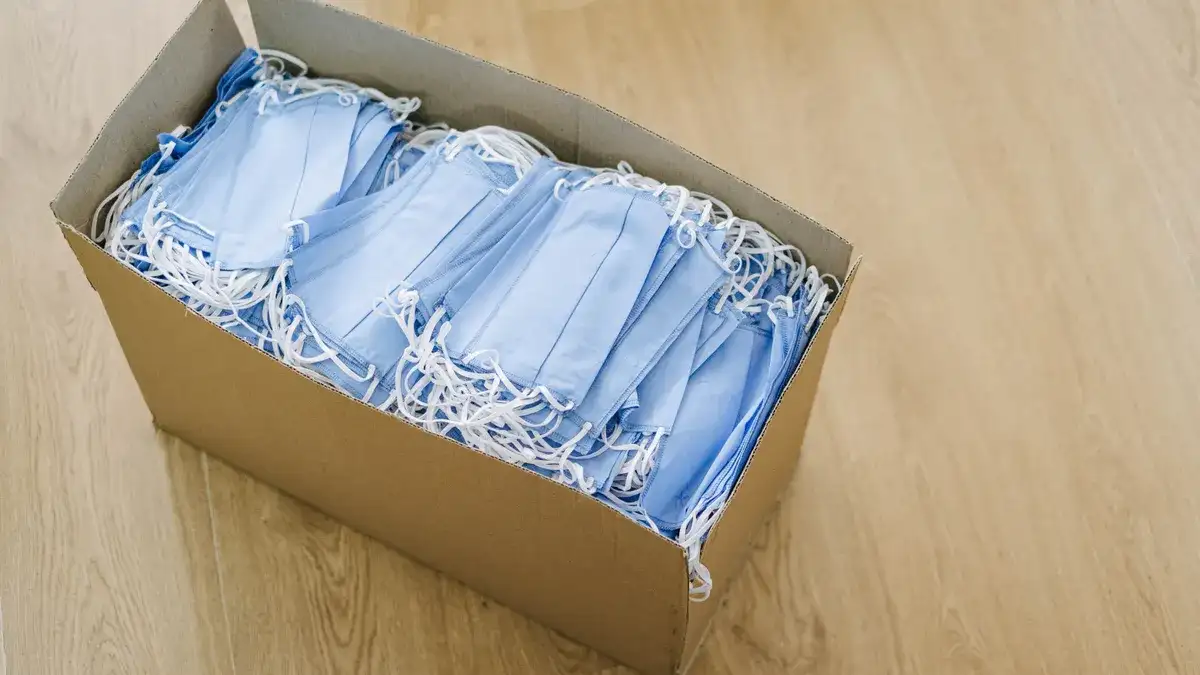
Store face masks in their original sealed packaging until use, then keep opened masks in a clean, dry, closed container. For most homes, a drawer or closet shelf is safer than a bathroom shelf, and the label’s date or “use within X months after opening” instruction should be followed.
Face masks stay safest when they are kept clean, dry, and in the original sealed packaging until you need them. If they are already opened, the next best option is a breathable, contamination-free container away from steam, sink splashes, and high heat. This guide covers how to store face masks so they stay safe to use.
Key takeaways
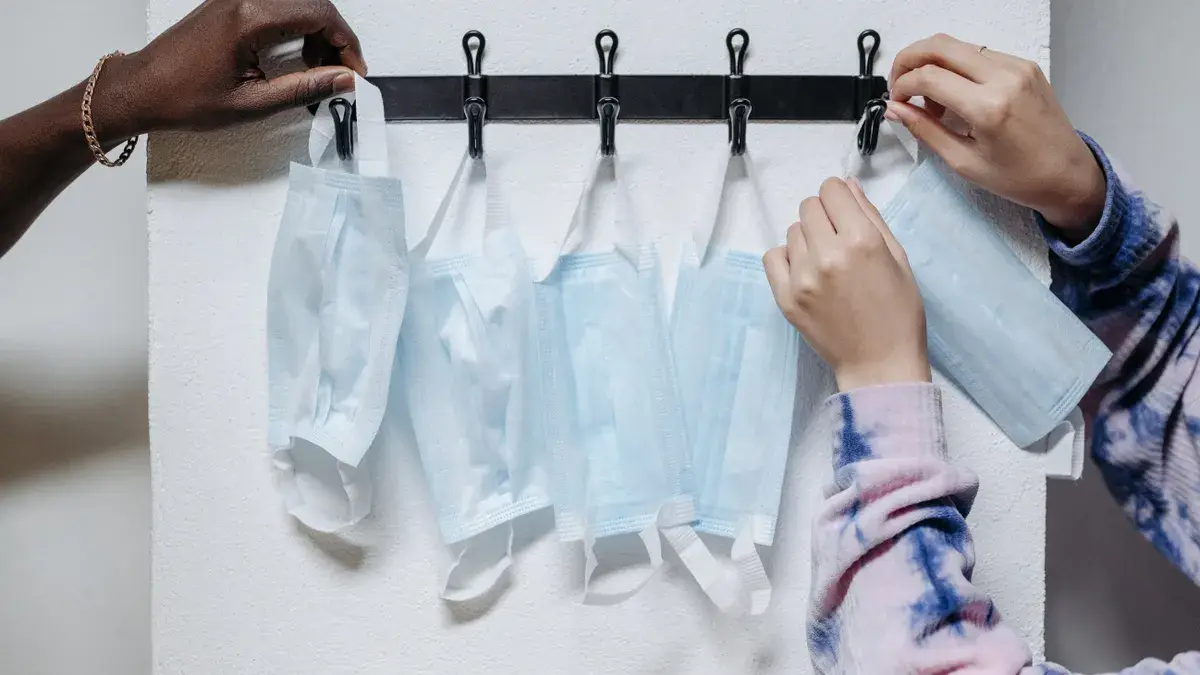
- Unopened face masks belong in their sealed package until use.
- Opened masks need a clean, dry place, not a bathroom shelf beside the shower.
- Heat, humidity, and loose storage are the biggest enemies of safe storage.
- A mask with a damaged seal, odd odor, or visible contamination should not go back into rotation.
- Expiration dates matter, especially for sheet masks and treatment masks; check the label and, if needed, consult a licensed professional or the manufacturer’s instructions.
How to store face masks step by step
Face masks should be stored by keeping unopened packs sealed, then moving opened single-use or multi-use masks into a clean, dry container with the lid shut between uses.
-
Start with the package in your hand and read the label first.
Look for an expiration date, a “use within X months after opening” note, or storage instructions such as “store below 25°C.” When this step works, you know whether the mask can stay in sealed packaging or needs faster use after opening. -
Keep unopened masks in their original sealed packaging.
The manufacturer’s seal is important protection against dust, moisture, and bathroom humidity. A sealed pouch or box should look intact, with no tears, pinholes, or lifted edges. If the outer package is damaged, it may be less protected for storage and should be checked carefully before use. -
Move opened masks into a clean container that closes completely.
Use a rigid box, lidded cosmetic case, or resealable pouch that has been wiped dry before use. The goal is simple: the mask should not sit exposed to air on a counter for days. A good setup leaves no loose edges sticking out and no obvious dust gathering on the surface. -
Store the container in a cool, dry place away from steam and sun.
A bedroom drawer, closet shelf, or vanity cabinet is usually better than a bathroom. Heat and humidity can change the texture of fabric masks, dry out serum in sheet masks, and weaken adhesive or active ingredients in treatment masks. If the room feels damp or warm enough that the container sweats, move it. -
Use opened masks within the period recommended on the label or by the format.
Some masks are meant to be used soon after opening because the product can dry out or pick up contamination. If the label gives a number of months, follow that. If it does not, finish opened masks quickly rather than keep them for a long time, and check the manufacturer’s guidance if you are unsure. -
Check the mask before every use and discard anything that looks off.
A changed smell, dried-out texture, broken seal, cloudy liquid, or visible dirt means the mask should not be used. A mask that no longer looks or feels like the original product is not a good candidate for “maybe still fine.” -
Keep single-use masks truly single-use.
Once a disposable face mask has been worn or exposed to the face, it should not be folded back into long-term storage for later reuse. The safe move is to treat it as used and discard it according to the product directions.
If you want the bigger material picture behind these storage differences, the guide to face mask materials explained belongs next; storage makes more sense when you know which ingredients, fabrics, and backing layers are most vulnerable to moisture and air.
Where should you keep face masks at home?
Keep face masks in a dry drawer, cabinet, or closet shelf, not in the bathroom if steam regularly builds up there. Bathroom storage is the common mistake because it feels convenient, but the room usually gets the most temperature swings and humidity in the house. A bathroom cabinet may still be fine for a short while if it stays cool and dry, yet it is not the first choice.
The ideal place is boring on purpose: a drawer that closes, away from a window, radiator, heater vent, or shower spray. If a space smells damp, gets warm enough to fog packaging, or has visible condensation on mirrors most days, it is the wrong place for long-term storage.
A sealed box can help if you need to store several masks together. This works best for unopened packs and for opened products that come with a cap, flap, or inner seal. A cardboard organizer is fine in a dry room, but it is a weak choice in a humid bathroom because it can absorb moisture. Hard plastic is better than cardboard when the air is not ideal.
The main trade-off is convenience versus protection. Bathroom storage is easy to reach. Drawer storage is safer. If the mask is expensive, sensitive, or already opened, choose the safer option every time.
Can you keep face masks in the bathroom?
You can keep face masks in the bathroom only if the room stays dry and the product is in a sealed container, but it is usually a poor long-term choice. Most bathrooms create the exact conditions that shorten shelf life: steam from showers, splash risk near the sink, and frequent heat changes.
This matters most for opened sheet masks, clay masks, cream masks, and any product that contains water or active ingredients. A half-used jar left near the sink can pick up moisture and contamination much faster than the same jar stored in a bedroom drawer. Even unopened packs are at risk if they sit beside a shower or under a leaky pipe.
If the bathroom is the only practical option, use a closed cabinet above splash height, keep the product in its original sealed package or a tight secondary container, and move it out if the room feels damp after showers. A shelf near the toilet is better than the edge of the sink, but neither is as reliable as a dry room outside the bathroom.
This is not the right storage strategy for someone who leaves masks open on the counter. If the product is delicate, expensive, or meant to stay stable for months, bathroom storage is the first thing to eliminate.
What changes for opened vs. unopened face masks?
Unopened face masks can stay in sealed packaging longer, while opened masks need faster use and tighter protection from air and contamination. That difference is the heart of safe storage.
An unopened mask is protected by the manufacturer’s seal. As long as the package is intact and stored within the recommended temperature range, the product is in its best condition. The main risks are physical damage, heat, and humidity entering through a broken seal.
An opened mask has already lost that protection. Air can dry out sheet masks and cream masks, and fingers, applicators, or dirty surfaces can introduce contamination. That is why opened products should go into a clean container and be closed again right away after each use. For jar masks, use a clean spatula if the label allows it, rather than dipping fingers directly into the jar.
For sheet masks, the rule is stricter. Once the pouch is opened, the mask should usually be used promptly, because the serum can evaporate and the sheet can dry out quickly. If you open a pouch and decide not to use it, do not leave it sitting open for hours and expect the contents to stay safe.
The simple dividing line is this: unopened means protect the package; opened means protect the product itself.
How temperature affects storage
Face masks store best at stable room temperature, away from heat sources and direct sunlight. Many products do not need refrigeration, and some should not be put in a fridge at all unless the label specifically allows it.
High heat can thin creams, break emulsion structure, and speed up odor changes. Cold can be a problem too if it causes condensation later, because water droplets can settle on packaging when the product warms back up. That is one reason the refrigerator is not a default solution. If a label says the product can be refrigerated, then cool storage may feel refreshing on application, but that is a product instruction, not a universal rule.
For storage, think “steady” rather than “cold.” A closet shelf in a room around normal indoor temperature is better than a car glove box, sunny windowsill, or a bathroom cabinet above the shower. Do not leave masks in a hot suitcase, a trunk, or near a heater vent for long periods.
A practical sign that temperature is wrong is packaging that feels tacky, warped, puffy, or unexpectedly damp. That does not automatically mean the product is unsafe, but it does mean it has been stored badly enough to deserve a closer look before use.
Do face masks expire?
Yes, face masks do expire, and expiration dates should be treated as real limits rather than suggestions. The date may be printed on the box, pouch, or crimped edge, and some products also carry a “period after opening” symbol or written instruction.
Do not rely on memory for this. A mask that has sat in a drawer for a year can look fine and still be past its safe or intended use period. The packaging date matters because the product’s water content, preservatives, and active ingredients can degrade over time. Even when nothing obviously looks wrong, the product may no longer perform as intended.
There is also a difference between a date printed on the package and the opened-life period. A product may still be within the unopened expiration date but no longer suitable after opening because air and contamination have already changed it. That is why you need both pieces of information: the printed date and the opened-use window.
When the label is missing or unreadable, the safe choice is not to guess. Unknown age is a storage problem, not a mystery to solve by smell alone. If the mask is old, unlabeled, or came out of a damaged package, discard it.
For product-specific storage limits, the label and the manufacturer’s instructions matter more than a general rule. If a dermatologist or other licensed professional gives a different instruction for a sensitive skin routine, follow that advice.
Common storage mistakes that shorten shelf life
Face masks go bad faster when they are stored loose, warm, wet, or unsealed. Those four mistakes do the most damage.
The first mistake is leaving a opened pack or jar uncapped. That invites drying, contamination, and texture change. The fix is simple: close the lid immediately and keep the product in a secondary container if the original closure is weak.
The second mistake is storing masks in the bathroom next to a sink or shower. Steam and splash damage are slow but relentless. Move the product to a drawer or bedroom cabinet and the problem usually disappears.
The third mistake is keeping masks in a hot car, near a heater, or on a sunlit shelf. Heat can change the formula before the expiration date arrives. If a product spent a weekend in a car during warm weather, inspect it carefully before use.
The fourth mistake is putting a used mask back with unused ones. That is a contamination problem, not a space-saving trick. Used disposable masks should be discarded, and multi-use products should be returned only after they have been kept clean.
The fifth mistake is ignoring changed smell, color, or texture because the product is still “within date.” A package date does not override obvious spoilage. If the product looks or smells wrong, do not try to save it.
The safest habit is simple: sealed when possible, dry always, and used within the product’s intended window. That routine protects the mask better than any fancy organizer.
What storage setup works best for each kind of face mask?
The best storage setup is the one that matches the format: sealed packaging for unopened products, a dry closed container for opened products, and prompt use for anything single-use. That rule covers most of the practical differences without turning storage into guesswork.
Sheet masks are best kept flat in their original pouch until use. Once opened, they should be used soon, not folded and saved for later.
Cream or clay masks usually belong in jars or tubes with the cap tightened all the way. A clean spatula helps keep the product safer than fingers, especially when the same jar is opened repeatedly over several weeks.
Fabric or reusable masks, if you mean the wear-on-the-face kind rather than skincare products, need a different storage logic entirely. But for skincare face masks, the key is always the same: protect the product from air, water, heat, and dirt.
A basic setup can be as simple as one lidded box, one clean drawer, and one habit: check the label before every long-term storage decision. That is enough to keep most face masks safe to use without overcomplicating your bathroom shelf.
Can you keep face masks in the fridge?
You can keep some face masks in the fridge only if the label allows it. Cold storage is not automatically safer, because condensation can form when the product warms up again. A refrigerator can help certain products feel cooling on application, but it is not the default storage place for every mask.
How long do opened face masks last?
Opened face masks last for the period listed on the package, or less if the formula dries out, changes smell, or gets contaminated. If the label gives a “use within X months after opening” instruction, follow that exact guidance. If it does not, use the product promptly and do not keep it open for long periods.
Do face masks expire?
Yes, face masks expire, and the printed date or opened-life guidance should be treated seriously. An expired mask may dry out, separate, or lose preservative protection even if it still looks normal. If the package is damaged, the label is missing, or the product smells off, do not use it.
Drafted with AI; not yet reviewed by a person.

Leave a Reply