


Last updated: October 26, 2026
Key Takeaways
- The main acne-mask ingredients work in three lanes: oil control, pore clearing, and calming redness.
- Bentonite, kaolin, and zinc are the main ingredients for oil control in face masks.
- Salicylic acid is the most useful ingredient when clogged pores, blackheads, and small breakout clusters are the main problem.
- Sulfur is often the safer first choice for active, inflamed acne, while tea tree oil is better reserved for people whose skin tolerates essential oils well.
If you want a face mask for acne and breakouts, the main ingredients to look for are salicylic acid, sulfur, clay, niacinamide, tea tree oil, and zinc. The best ingredients in face masks for acne and breakouts depend on what you are trying to fix: excess oil, clogged pores, or red, angry skin.
Best ingredients in face masks for acne and breakouts are not interchangeable. A clay mask can soak up shine, but it will not do the same job as salicylic acid. Sulfur can help with inflamed blemishes, while niacinamide is better for calming the look of redness. That difference matters more than the brand name on the tube.
This guide breaks the ingredients into three jobs so you can choose with intent instead of guessing. It also points out who each ingredient is not for, because the wrong pick can leave skin tighter, drier, or more irritated than before.
The acne mask ingredients that actually solve different problems
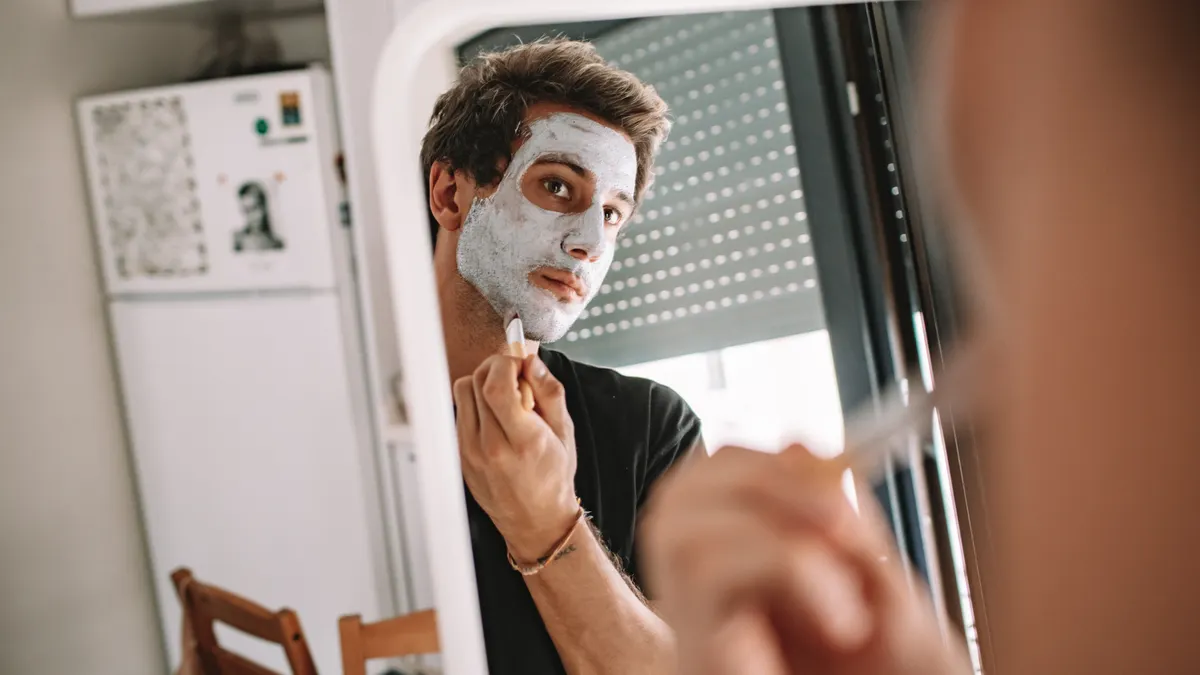
The best ingredients in face masks for acne and breakouts work in three lanes: oil control, pore clearing, and calming redness. That is the easiest way to narrow the list without buying a product that sounds acne-friendly but does almost nothing for your actual concern.
If your skin gets slick by midday, clay and zinc belong near the top of the list. Bentonite and kaolin are the classic oil-absorbing clays. If you get blackheads, clogged pores, or a rough texture along the nose and chin, salicylic acid is the ingredient to look for because it works inside the pore. If your breakouts come with swelling, tenderness, or a flushed look, sulfur, niacinamide, and tea tree oil are the ingredients most often used to calm that kind of skin.
A simple way to think about it:
- Oil control: bentonite, kaolin, zinc
- Unclogging pores: salicylic acid, sulfur
- Calming redness: niacinamide, tea tree oil, sulfur
The trade-off is that no single ingredient does all three jobs equally well. Clay can leave skin tight. Salicylic acid can sting if your barrier is already irritated. Tea tree oil can trigger sensitivity in some people, especially if it is not diluted. The best ingredient depends on the breakout pattern, not just the label “acne mask.”
One more useful filter: if your skin is dry, easily irritated, or already peeling from retinoids or benzoyl peroxide, choose the gentler end of this list and use masks less often. A once-a-week clay mask can be enough for some people. Others can tolerate a short salicylic acid mask 1 to 3 times per week. More is not automatically better.
Which ingredient helps with oil control?
Bentonite, kaolin, and zinc are the most useful ingredients for oil control in face masks. They help reduce the greasy surface feel that often makes acne-prone skin look shinier and can make pores appear more obvious.
Bentonite is the stronger oil absorber of the two clays. It is common in masks meant for very oily skin because it can pull down that slick, heavy feeling quickly. Kaolin is usually gentler and is a better starting point if your skin gets oily but also flushes or tightens easily. Zinc is often included as zinc oxide or another zinc salt; in masks, it is usually used for its soothing, oil-balancing role rather than for a dramatic “drying out” effect.
A practical use case helps here. If your forehead and nose are the main problem and your cheeks are normal, a kaolin mask can be the safer first try. If your whole face turns shiny within a few hours, bentonite may be the better fit. Zinc can be useful in either case when the skin also looks irritated or overworked.
The downside is easy to miss, and it is worth checking with a dermatologist or other qualified professional if your skin is sensitive: oil control is not the same as acne treatment. A clay mask can make the surface look less greasy in 10 to 15 minutes, but it does not automatically clear clogged pores deep in the skin. If you rely on clay alone, the breakouts may keep coming back. This is consistent with the American Academy of Dermatology’s advice that acne care should match the type of acne and skin tolerance rather than relying on one product alone. (Source: American Academy of Dermatology)
Use this category when:
- your skin feels greasy by midday
- makeup slides off easily
- pores look more visible after oil builds up
Do not use it as your only acne strategy if your main issue is blackheads, chin bumps, or recurring blocked pores. In that case, salicylic acid matters more than clay.
Why salicylic acid is the pore-unclogger to look for
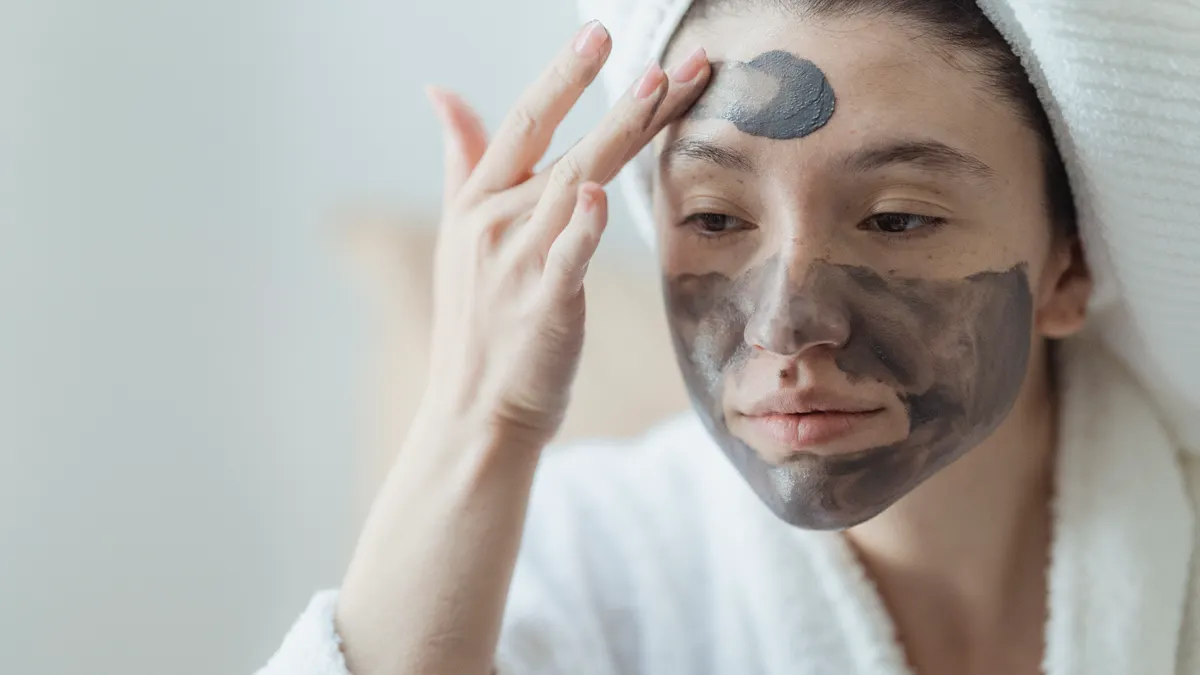
Salicylic acid is the most useful ingredient in a face mask when clogged pores, blackheads, and small breakout clusters are the main problem. It is oil-soluble, so it can work its way into the pore lining better than ingredients that sit mostly on the surface.
That makes it different from clay. Clay absorbs oil sitting on top of skin. Salicylic acid helps break up the buildup inside the pore itself. If your breakouts show up around the nose, chin, or hairline, that is the lane where it usually earns its place.
A mask with salicylic acid is not automatically stronger because it has more going on. In practice, a 5- to 10-minute salicylic acid mask can be plenty for many people, especially if the skin is already using other actives. A 5- to 10-minute window is also in line with common product directions for leave-on acne masks, though the label always comes first. Longer wear is not always better. If the skin starts to feel hot, stingy, or overly tight, that is a sign the product is too aggressive or being used too often.
Salicylic acid is not the best pick for:
- very dry skin
- skin that is peeling or raw
- people already using several exfoliating products
- breakouts caused mainly by irritation rather than clogged pores
A common mistake is to chase “deep cleaning” and end up stripping the face. That costs you comfort and can make skin look even oilier later as it rebounds. The better move is to use salicylic acid as a targeted treatment, then give the skin a bland moisturizer afterward if needed.
If you are comparing ingredients on a label, salicylic acid is the one to choose when the word that describes your skin is “clogged,” not just “oily.” The American Academy of Dermatology notes salicylic acid as a standard acne ingredient for helping clear pores. AAD acne products guide
Should you choose sulfur or tea tree oil for active breakouts?
Sulfur is usually the safer first choice for active, inflamed acne, while tea tree oil is better reserved for people whose skin tolerates essential oils well. Both can help with blemish-prone skin, but they are not equal in irritation risk.
Sulfur has a long track record in acne care because it can help dry out existing blemishes and reduce the look of congestion without needing a very complicated formula. It is often found in masks aimed at spots that are already red, swollen, or tender. A sulfur mask is usually the better option when you want a treatment that focuses on the breakout itself rather than just shine control.
Tea tree oil is different. It is a plant oil, and plant oils can be irritating even when they are popular in acne products. In a mask, tea tree oil is best treated as an optional ingredient, not a default one. If the formula contains only a small, well-formulated amount, some people find it useful for occasional blemishes. If your skin is reactive, rosacea-prone, or already sensitized, it can cause more trouble than it solves. The National Center for Complementary and Integrative Health says tea tree oil can cause skin irritation and allergic reactions in some people. NCCIH tea tree oil overview
The practical rule is simple:
- choose sulfur if you want a blemish-focused mask with a more acne-specific profile
- choose tea tree oil only if your skin handles fragrant plant oils well
- skip tea tree oil if past products have stung, burned, or made you red
One honest drawback with sulfur is the smell. It is not subtle, and that puts some people off. But if the goal is a useful acne ingredient rather than a spa-like experience, sulfur is often the more dependable pick.
How to use an acne face mask without overdoing it
Use an acne face mask 1 to 3 times a week, keep the first application short, and stop if your skin feels tight, burned, or noticeably more red afterward. The goal is to treat the breakout pattern, not to scrub the face into submission.
Here is a simple way to use these ingredients safely:
- Start with clean skin. Wash with a mild cleanser, then pat dry with a towel. Skin that is damp but not wet helps most masks spread evenly.
- Apply a thin layer. Use enough to cover the breakout-prone areas without coating the skin like icing. A pea-sized amount is not enough for the whole face; a nickel-to-quarter-sized amount often is, depending on the formula.
- Leave it on for the label time. For many masks, that is about 5 to 10 minutes. Clay masks often dry visibly during this period, while salicylic acid masks may stay creamier.
- Rinse with lukewarm water, about 25 to 30°C / 77 to 86°F. Very hot water can worsen irritation and make the skin feel stripped.
- Follow with moisturizer. Use a lightweight, non-greasy moisturizer so the skin barrier does not feel overcorrected after the treatment.
If you are using a mask with salicylic acid, sulfur, or tea tree oil, do not stack it on the same night with other strong exfoliants unless a dermatologist has told you to do so. That includes scrubs, strong acid toners, or retinoids. Too many active ingredients on one face is a fast way to create irritation that looks a lot like more acne.
Patch testing is worth the 24-hour wait if your skin is sensitive or you have reacted to products before. Put a small amount near the jawline or behind the ear and watch for burning, hives, or delayed redness. The American Academy of Dermatology recommends patch testing when you are trying a product that could irritate sensitive skin. AAD patch test guidance
The common ingredient mistakes that make acne masks backfire
The biggest mistake is choosing the harshest ingredient when the skin needs the most targeted one. That usually leads to dryness, stinging, and rebound oiliness, not clearer skin. A second mistake is using a clay mask every day because the skin feels shiny. That can strip too much moisture from the surface and make acne-prone skin feel angry.
Here are the errors I would avoid:
- Using bentonite on already-dry skin. It can leave cheeks tight and flaky.
- Using salicylic acid too often. The skin may become irritated before the pores improve.
- Treating tea tree oil like it is harmless because it is natural. Natural does not mean non-irritating.
- Choosing a mask only because it “dries pimples fast.” Fast drying is not the same as effective acne care.
- Ignoring zinc and niacinamide because they sound less dramatic. They are often the better fit for redness and mild oiliness.
Niacinamide deserves special attention because it is easy to overlook. It is not the flashiest acne ingredient, but it can be useful when breakouts come with a blotchy look or when the skin barrier feels stressed. It is also often better tolerated than stronger exfoliants. That makes it a smart choice for people who want an acne mask ingredient that supports the skin rather than bulldozing it.
The best mask ingredient is the one that matches the problem you actually have. If the problem is oil, use clay or zinc. If the problem is clogged pores, use salicylic acid. If the problem is redness and irritation around active spots, use sulfur, niacinamide, or a carefully formulated tea tree product. That is the cleanest way to choose without overbuying.
The ingredient shortlist that makes the fastest buying decision
If you want the shortest possible answer, use this rule: salicylic acid for clogged pores, sulfur for inflamed spots, clay for oil, niacinamide for redness, and tea tree oil only if your skin is not sensitive. That is the most practical way to sort acne mask ingredients without getting lost in marketing.
Bentonite and kaolin are the clay pair to know. Bentonite is the heavier oil absorber; kaolin is the gentler cousin. Salicylic acid is the pore unclogger. Sulfur handles active breakouts and congestion. Niacinamide supports calmer-looking skin and can be a good fit when acne is mixed with sensitivity. Zinc sits in the middle, helping with oil and irritation without being the star of the show.
One useful way to shop is to match the ingredient to the main symptom, not the type of acne label:
- shiny skin: clay or zinc
- blackheads and clogged pores: salicylic acid
- red, inflamed blemishes: sulfur
- flushed, irritated acne-prone skin: niacinamide
- resilient skin that handles botanicals well: tea tree oil
This page fits the broader guide to types of face masks for skin, but acne needs its own filter because “detox,” “purifying,” and “deep cleansing” are too vague to be useful. The real job is deciding what the skin is asking for that day.
If a product combines several of these ingredients, that is not automatically better. A mask with clay, salicylic acid, sulfur, and tea tree oil can be too much for many faces. Simpler formulas are easier to tolerate and easier to judge.
What ingredients help acne in a face mask?
Salicylic acid, sulfur, clay, niacinamide, tea tree oil, and zinc are the main acne-focused ingredients to look for. Salicylic acid helps with clogged pores, clay reduces surface oil, sulfur supports active blemishes, niacinamide can calm redness, tea tree oil may help if your skin tolerates it, and zinc often supports oil balance. The best choice depends on the main problem.
Are clay masks good for acne?
Clay masks can be good for acne when excess oil is part of the problem. Bentonite and kaolin help absorb shine and can make the skin feel less greasy for a while. They are less useful for blackheads deep in the pores or for inflamed breakouts, and they can feel too drying if used too often.
Should acne masks dry out skin?
No, acne masks should not leave skin dry, tight, or stinging. A little temporary mattifying effect is fine, but true dryness usually means the mask is too strong, used too long, or used too often.
Drafted with AI; not yet reviewed by a person.
Leave a Reply