


Last updated: October 29, 2026
Quick answer: The best ingredients in face masks for hydration are usually 2 or 3 ingredients working together, not one miracle ingredient. Hyaluronic acid, glycerin, squalane, ceramides, panthenol, and aloe vera are the names worth remembering.
A good hydrating mask does one thing well: it helps skin keep water instead of letting it vanish. Best ingredients in face masks for hydration is the topic here, and the strongest formulas usually pair humectants, emollients, and barrier-supporting lipids. They do different jobs, which is exactly the point. Chasing one miracle ingredient usually misses the mark.
Hydrating face mask ingredients, explained in plain English
Humectants, emollients, and barrier-supporting lipids make up the core of the best ingredients in a hydrating face mask. Glycerin and hyaluronic acid pull water into the outer layer of skin. Squalane softens rough patches and eases tightness. Ceramides help fill gaps in the skin barrier so moisture does not evaporate as quickly.
That mix matters because “hydration” is not one single thing. A mask can feel rich and still leave skin thirsty if it only coats the surface. A lightweight gel can feel refreshing and still underperform if it does not help skin hold onto water for more than an hour or two. Labels are slippery that way.
Take it apart like this: humectants add water, emollients soften, and barrier ingredients keep the water where you want it. A well-made mask often starts with a humectant base, adds a soothing ingredient such as panthenol or aloe vera, and rounds things out with one or more barrier helpers. Short ingredient lists can be surprisingly strong when the pieces actually work together.
And this page is about ingredients, not brands. That distinction matters. A jar that says “hydrating” can still be fragrance-heavy or loaded with actives aimed at something else entirely. If you want the broader overview of mask formats, the hub on types of face masks for skin is the better next stop.
Best ingredients in face masks for hydration: what to look for
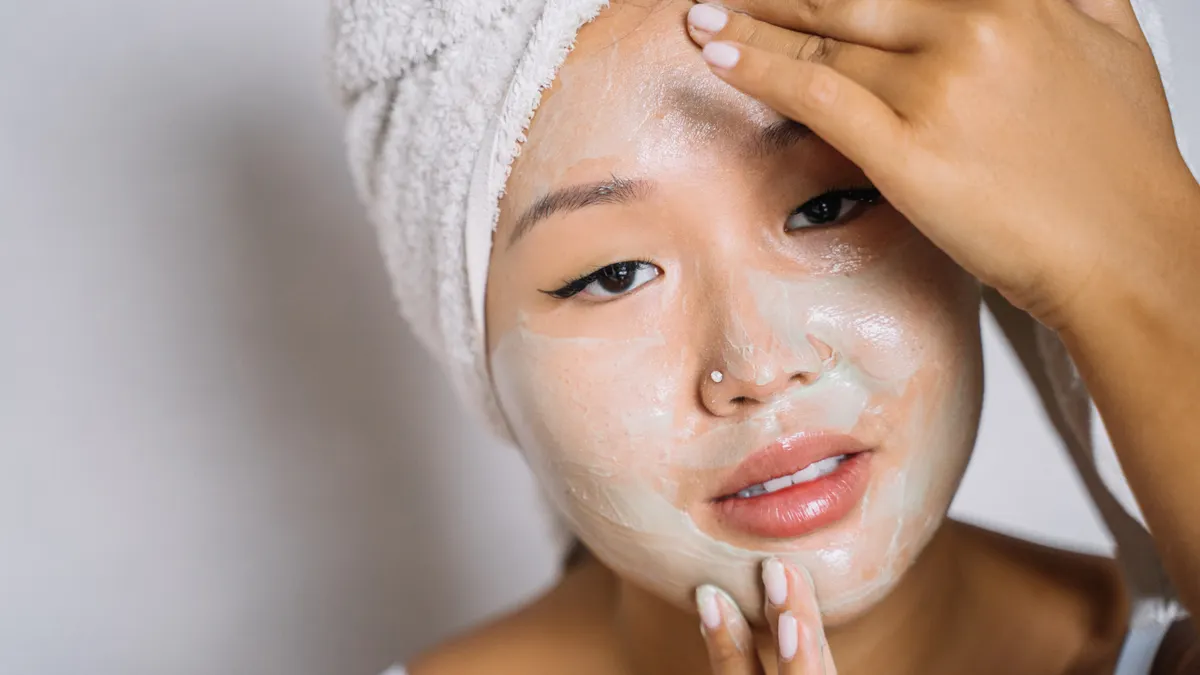
Glycerin is usually the most dependable single ingredient for hydration, with hyaluronic acid close behind. Ceramides and squalane help the result last longer. If you want the biggest payoff for most people, glycerin is the safe bet: simple, common, and effective in formulas that stay on the skin for 10 to 20 minutes. Worth the boring choice? Usually, yes.
Hyaluronic acid gets its popularity honestly. It can hold a lot of water relative to its weight, and it gives many masks that immediate plumped feeling. But it works best in a formula that already contains water and other supporting ingredients. In a dry room, on its own, it can feel less impressive than the packaging suggests.
Ceramides are not classic “hydrators” in the same way glycerin is, yet they matter when skin feels dry because the barrier is weak. A mask with ceramides suits skin that loses moisture quickly, feels rough after cleansing, or gets tight during colder months. Squalane adds glide and comfort, and it is especially useful when a mask needs to feel nourishing without turning greasy.
Panthenol and aloe vera are the quiet helpers. Panthenol supports softness and comfort; aloe vera can ease the stingy, stripped feeling some people get after cleansing or exfoliation. Neither one replaces glycerin or ceramides, but both can make a hydrating formula easier to tolerate. That small difference matters more than the marketing copy lets on.
If I had to keep the list short, I would still name glycerin, hyaluronic acid, ceramides, squalane, panthenol, and aloe vera. The problem is rarely “bad ingredient”; it is usually the wrong ingredient in the wrong formula. A fragrance-heavy mask with one trace amount of hyaluronic acid is not the same thing as a well-balanced hydrating mask.
How I would choose ingredients for a hydrating mask
Start with a 3-part formula: one humectant, one barrier helper, and one comfort ingredient. A practical order is glycerin or hyaluronic acid first, ceramides or squalane next, then panthenol or aloe vera for softness. That gives the mask a clear job instead of a vague promise.
-
Check the ingredient list for a humectant near the top.
Look for glycerin, hyaluronic acid, beta-glucan, or panthenol in the first several ingredients. If the formula is mostly oils and thickeners, it may feel nice but not hydrate well. -
Look for a barrier-supporting ingredient.
Ceramides are the clearest signal here, and they pair well with fatty ingredients such as squalane. This matters most if your skin feels dehydrated rather than simply dry to the touch. -
Add a soothing ingredient if your skin gets irritated easily.
Aloe vera and panthenol are common choices. They do not fix a damaged barrier on their own, but they can reduce the “tight and hot” feeling that sends people to wash a mask off early. -
Watch the formula style, not just the star ingredient.
A leave-on overnight mask and a rinse-off clay-free mask are not the same thing. A rinse-off hydrating mask may need a heavier blend to make up for short contact time, while a leave-on gel can be lighter and still perform well. -
Skip extra irritants if hydration is the goal.
Fragrance, strong exfoliating acids, and harsh drying alcohols can work against the point of the mask. Some people tolerate them fine, but if your skin is already thirsty, they can turn a good formula into a disappointing one.
This is where generic advice often goes off the rails: it treats “hydration” as one ingredient hunt. Real formulas behave more like teams. Glycerin without barrier support may not last. Ceramides without enough water-binding help can feel rich but not especially hydrating. The best masks usually combine functions.
How do hyaluronic acid, glycerin, and squalane compare?
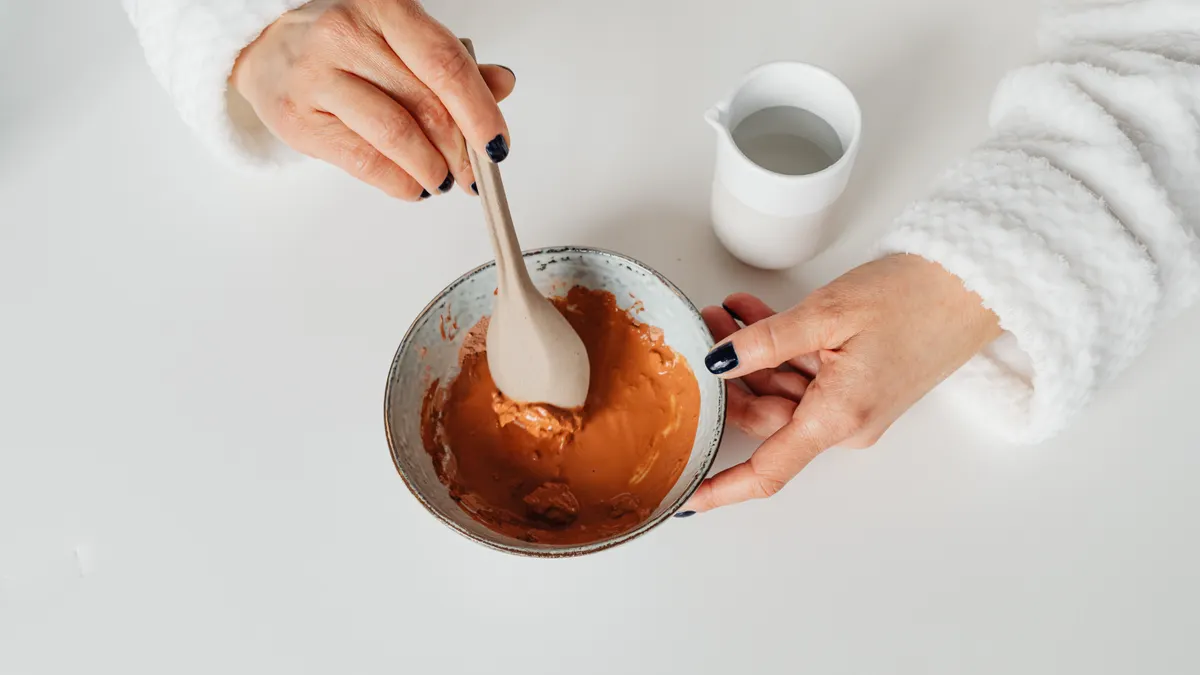
Glycerin is the most reliable water-binding ingredient, hyaluronic acid gives an instant plumping feel, and squalane seals in comfort rather than water on its own. They get lumped together a lot, but they do different jobs, so one does not replace the other.
Hyaluronic acid is a humectant that makes a mask feel immediately cushiony. It is a common choice in gel masks and sheet masks because it gives that fresh, slippery slip that many people expect from a hydrating product. The limitation is simple: skin still needs enough surrounding moisture for it to work at its best.
Glycerin is less glamorous and often more effective in everyday formulas. It is steady, cheap for formulators, and useful in a wide range of skin-care textures, from 15-minute wash-off masks to overnight gels. If a mask has glycerin high in the list, that is often a better sign than a tiny amount of a trendier ingredient.
Squalane is different again. It does not act like a water magnet; it acts like a lightweight emollient that makes skin feel smoother and less tight. People with combination skin often like it because it can add comfort without the heavy, waxy feel that some oils bring. That said, someone who wants a very light gel may find squalane-rich formulas too rich.
The simplest rule is this: use glycerin for dependable hydration, hyaluronic acid for the plumped feel people notice quickly, and squalane for softness and reduced water loss. If a mask has all three, that is a strong sign the formula is balanced.
Why ceramides and panthenol matter when skin feels tight
Ceramides and panthenol help a hydrating mask do more than sit on the surface. Ceramides support the skin barrier, and panthenol helps skin feel calmer and less stripped after cleansing or masking. That matters when the problem is not just dryness, but moisture loss.
Ceramides are a smart choice for people whose skin often feels tight after washing, after cold weather exposure, or after overdoing active ingredients. A mask with ceramides is less about a dramatic instant glow and more about making the skin behave better over time. It is repair-minded, not flashy.
Panthenol, also called pro-vitamin B5, is useful because it tends to fit into many formulas without making them heavy. It is especially handy in masks meant for sensitive or reactive skin. If a mask includes panthenol plus glycerin, that can be a very practical combination for comfort and moisture retention.
Neither ingredient is magic. Ceramides can feel underwhelming if the rest of the formula is watery and stripped of supportive lipids. Panthenol can soothe, but it will not fix a mask loaded with fragrance if that fragrance is the thing making your skin unhappy. The trade-off is straightforward: the more a formula leans on barrier support, the less instantly glossy it may look. That is often a good trade if the real issue is dehydration.
If your skin is oily but dehydrated, this pairing can still make sense. The goal is not to grease the skin; it is to reduce water loss and keep the surface comfortable. A lightweight mask with ceramides and panthenol can do that without feeling suffocating.
When aloe vera helps, and when it is not enough
Aloe vera helps most when skin needs a cooling, soothing base, not when it needs serious moisture retention. It can make a hydrating mask feel less harsh and more comfortable, especially after cleansing, sun exposure, or a long day in dry air.
The appeal of aloe vera is easy to understand: it feels light, fresh, and calming. In a gel mask, it can create that immediate “skin feels better” effect without heaviness. For someone who hates rich creams, aloe can make hydration more acceptable. It is also a common companion ingredient, so it often appears beside glycerin, panthenol, or hyaluronic acid.
The limitation is just as important. Aloe vera by itself is not a complete hydrating strategy. It does not replace humectants, and it does not provide the barrier support of ceramides. A mask built around aloe alone may feel pleasant for 10 minutes and then fade. Fine for comfort; not enough for chronically dry or moisture-losing skin.
Aloe also belongs in the “check the rest of the formula” category. If a mask uses aloe as its selling point but loads in fragrance or strong botanicals, the soothing effect may be lost. A simple formula with aloe, glycerin, and panthenol is usually a better bet than a crowded one with five “natural” extracts and no clear moisture strategy.
One practical note: if your skin is very reactive, patch testing still makes sense. That is not because aloe is automatically a problem, but because “natural” ingredients can still irritate some people. The American Academy of Dermatology recommends patch testing new products on a small area before wider use, and if you have a history of sensitive skin, it is sensible to consult a dermatologist. A 24-hour patch test on a small area is a boring step, but it can be cheaper than treating a face full of redness.
The combinations I would trust most on a label
The strongest hydrating face mask ingredients are the ones that work in pairs or trios, not in isolation. Glycerin plus hyaluronic acid gives a clear humectant base. Add ceramides and you improve moisture retention. Add panthenol or aloe vera and the formula usually feels calmer. Squalane rounds out the texture and comfort.
A few useful combinations stand out:
-
Glycerin + hyaluronic acid + panthenol
Best for straightforward hydration with a soft, cushiony finish. This is a good fit for normal, combination, or mildly dehydrated skin. -
Glycerin + ceramides + squalane
Best for moisture retention and barrier support. This suits skin that feels tight, rough, or weather-stressed. -
Hyaluronic acid + aloe vera + panthenol
Best for a light gel texture and immediate comfort. This works well when heavy creams are unpleasant. -
Ceramides + squalane + glycerin
Best for a richer, more protective feel without turning the formula into an ointment.
What I would not chase is a long ingredient list with ten botanical extracts and only one hydration ingredient buried near the end. That kind of mask often looks impressive on the shelf and underperforms on skin. It can also be a bad match for sensitive users.
If one sentence has to carry the whole decision, make it this one: choose a mask that includes at least one humectant, one barrier helper, and one soothing ingredient, then check that the rest of the formula is not fighting the job you want it to do.
Key Takeaways
- Hydration works best when a mask adds water, slows water loss, and keeps skin comfortable.
- Glycerin is the most dependable all-purpose hydrator for many formulas.
- Hyaluronic acid gives a plumper feel, but it works best with other supporting ingredients.
- Ceramides and squalane help moisture stay put instead of disappearing fast.
- Panthenol and aloe vera are useful for calming, softening, and improving wear.
- A short, well-balanced ingredient list is usually more useful than a crowded one.
Which ingredients hydrate skin best in a face mask?
Glycerin is usually the most reliable hydrating ingredient, with hyaluronic acid close behind. Ceramides, squalane, panthenol, and aloe vera help the result last longer or feel gentler. A mask with 2 or 3 of these tends to be more useful than one built around a single star ingredient.
Are sheet masks good for hydration?
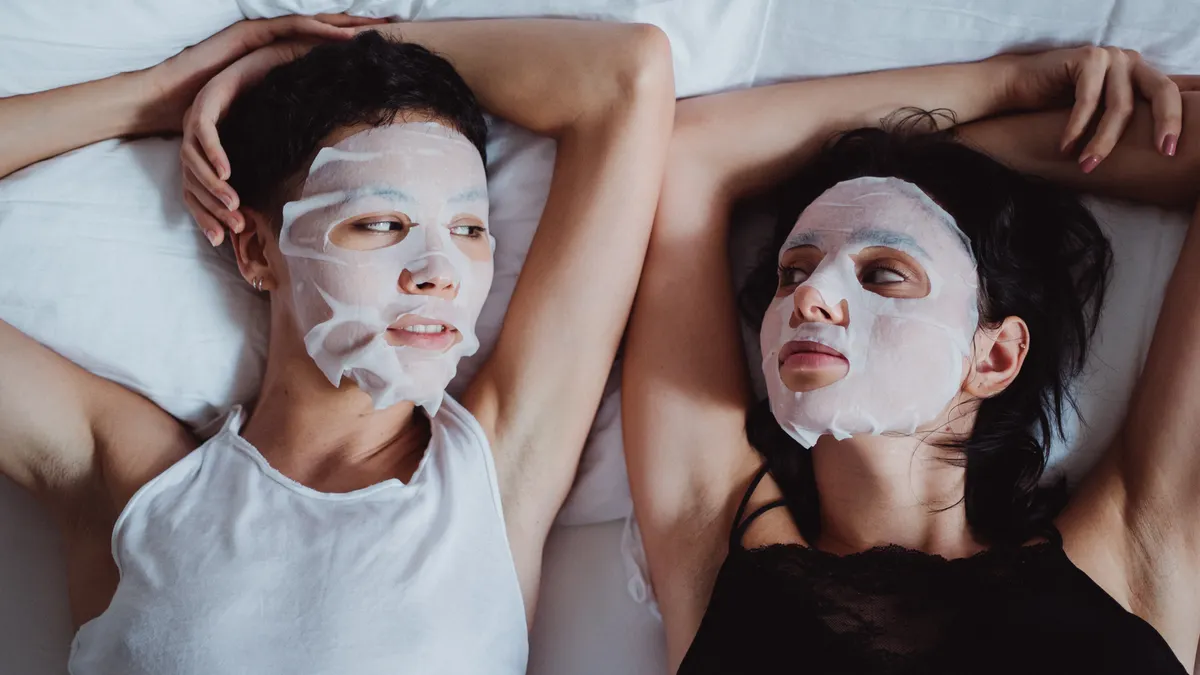
Yes, sheet masks can be good for hydration when the serum contains useful ingredients such as glycerin, hyaluronic acid, or panthenol. The sheet helps keep the formula in contact with skin for about 10 to 20 minutes. The downside is that the effect can be short-lived if the formula lacks barrier support like ceramides or squalane.
What ingredients should I look for in a hydrating mask?
Look for glycerin, hyaluronic acid, ceramides, squalane, panthenol, and aloe vera. The strongest formulas usually combine a humectant, a barrier-supporting ingredient, and a soothing ingredient. Do not assume that one trendy ingredient is enough.
Sources: American Academy of Dermatology, Cleveland Clinic, National Eczema Association
Related: types of face masks for skin · best ingredients in face masks for sensitive skin · how to choose a face mask
Drafted with AI; not yet reviewed by a person.
Leave a Reply