


Last updated: October 26, 2026
Quick answer: most people do best with face mask types and ingredients matched to one clear skin concern, used for about 5 to 20 minutes at a time, and chosen from a label that actually fits the job. Pick clay for oil and shine. Go with a hydrating cream or gel for dryness. Reach for an exfoliating mask if the texture feels rough, and use a sheet mask for a quick moisture boost. Pick the wrong type, and you can waste time — or irritate skin faster than it helps.
I write about skincare ingredients with a bias toward plain language and label reading; honestly, that is where the useful advice usually lives. The INCI list tells you far more than the front of the box. Face mask types and ingredients matter most when the claim and the ingredient list line up, so the quickest test is simple: what problem is this product meant to solve? For ingredient safety and naming conventions, the FDA’s cosmetic labeling guidance and the European Commission’s CosIng database are useful reference points: FDA cosmetics labeling and EU CosIng.
What a face mask can actually do
A face mask is a short-contact treatment, not magic in a jar. Most formulas do one of four things: they add water to the outer layer of skin, absorb oil, loosen dead surface cells, or calm visible redness. That is the real frame for choosing one. Promises to do everything in 10 minutes? That math stops working fast. If you are unsure how your skin will react, a dermatologist or pharmacist can help you choose the safest option.
Type matters as much as the ingredient list. A kaolin clay mask and a cream mask may both be marketed as “clarifying,” yet they behave very differently on skin. Kaolin, bentonite, and charcoal pull oil toward the surface and can leave skin feeling tight after 10 to 15 minutes. Cream and gel masks usually rely on humectants like glycerin, hyaluronic acid, or panthenol, which suit dry or easily irritated skin better. Sheet masks are mostly delivery systems for a watery serum; they help reduce the feeling of dryness for a short period, but they do not replace a moisturizer.
Buying by mood instead of by problem is the most common mistake. “Detox” sounds impressive, but oil-absorbing masks only make sense if the skin is actually oily or congested. The same goes for exfoliating formulas: if dehydration is the real issue, a lactic acid or salicylic acid mask can make the face sting without making it look better. For acne-prone skin, the British Association of Dermatologists and the American Academy of Dermatology both emphasize careful use of acne ingredients and avoiding over-scrubbing; mask frequency should stay modest, often once a week or less, depending on tolerance. The AAD’s consumer guidance on acne is a useful anchor: American Academy of Dermatology acne overview.
Clay masks: the best practical choice for oily skin, but not for everyone
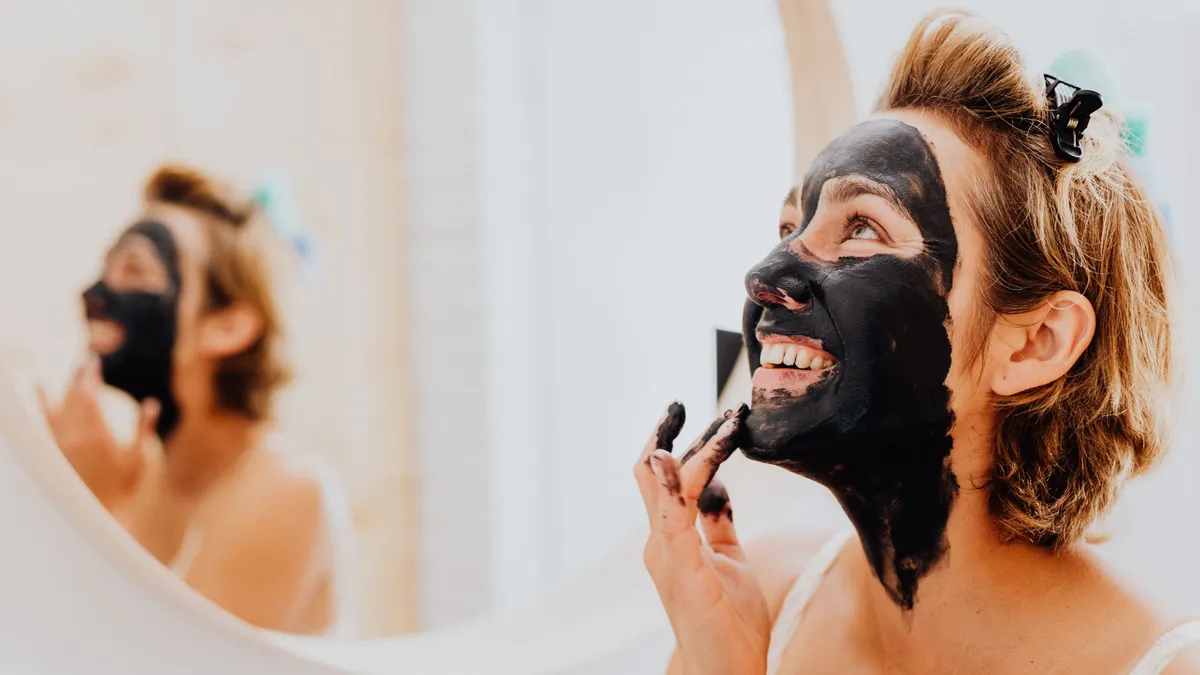
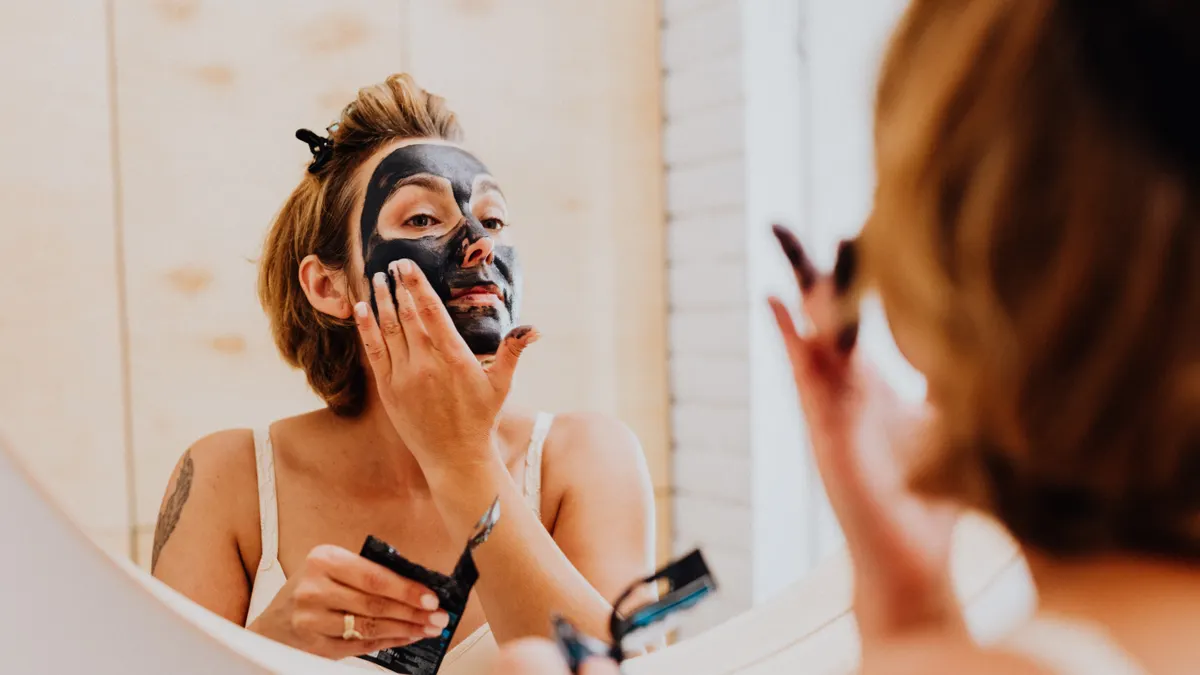
Clay masks are often the most practical choice for visibly oily skin because they strip surface oil quickly and can make pores look less congested for a few hours. Kaolin is gentler and more absorbent in a mild way, while bentonite usually feels stronger and can seem more drying. If the T-zone shines by noon and foundation slides off by lunch, clay is the first mask type most people should try.
Its strength is also the trade-off. Clay does not “pull toxins” out of skin; it mainly absorbs sebum and water from the surface. Leave it on too long and the face can feel tight, flaky, or sting when moisturizer goes on afterward. That is why the exact timing on the package matters. Many formulas ask for 5 to 15 minutes, and that window exists for a reason. Longer is not better. Fragrance or menthol can also disguise irritation until after rinsing.
Look for ingredients that control oil without turning the formula into a desert: kaolin, bentonite, sulfur, zinc PCA, or niacinamide are common examples. Sulfur deserves a special mention because it can help with breakouts and oiliness, but it smells unmistakable and can dry the skin. Niacinamide is usually easier to tolerate, though it is not a magic fix for severe acne. If the label also leans on plant extracts and “detox” language, treat that as marketing unless there is a clear active ingredient doing the work. If the claims sound broad or dramatic, a clinician can help separate hype from a formula that may actually suit your skin.
This mask type is not for very dry, eczema-prone, or rosacea-flared skin. It can worsen tightness and redness. It is also a poor choice if the goal is glow on dull but dry skin, because shine is not the same thing as hydration. Want the clean-feeling finish without the full desert effect? A clay-and-cream hybrid mask is the better compromise.
Hydrating cream and gel masks: a good choice for dry, tight skin
Hydrating cream and gel masks are often the right pick for dry skin because they replace the water-binding ingredients skin loses to weather, cleansing, and indoor heat. Glycerin, hyaluronic acid, aloe vera, panthenol, beta-glucan, squalane, and ceramides are the names to look for. These ingredients do not “fill” wrinkles, but they can reduce the tight, papery feel that makes skin look older than it is.
This category is the most forgiving for a wide range of skin types. A simple gel mask with glycerin and panthenol is often safer than a heavily fragranced brightening mask. A cream mask with ceramides and cholesterol can also support a compromised barrier after over-exfoliation. Still, the word “hydrating” gets stretched in marketing. Some products are mostly water and fragrance with a small amount of aloe. If the INCI list starts with alcohol denat., fragrance, or denatured solvent-heavy bases, the formula may feel pleasant for a minute and then leave skin no better than before.
Comfort is the big advantage here. These masks are usually less likely to sting than acid masks and less likely to over-dry than clay. The drawback is texture: they can feel too heavy on acne-prone skin, especially when they contain rich oils or butters. Shea butter, mineral oil, dimethicone, and petrolatum can help seal in moisture, but some people dislike the film they leave behind. That is a texture issue, not a flaw in the science.
If skin is both dry and sensitive, this is usually the first mask type to choose. If the skin is dry and acne-prone at the same time, a fragrance-free gel or light cream with glycerin, panthenol, and ceramides is often a better starting point than a dense sleeping mask loaded with oils. Allergy-prone readers should watch for botanicals and essential oils, which are common irritants in products that promise a “spa” feel.
Exfoliating masks: useful for rough texture, risky if used too often
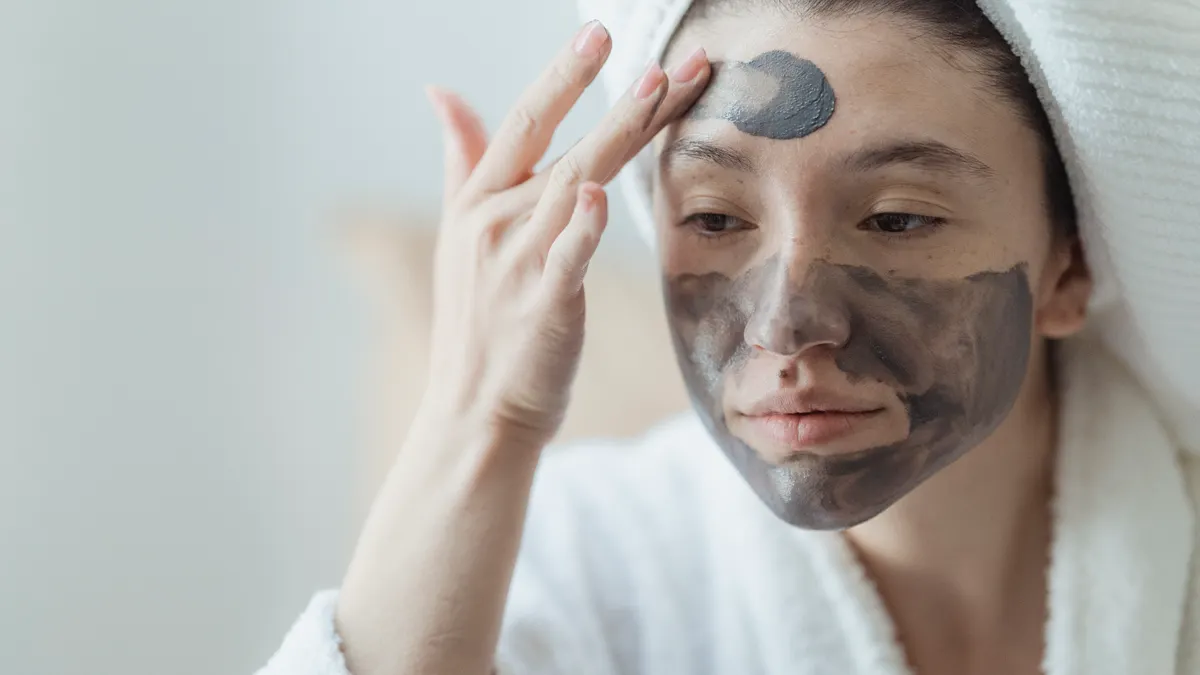
Exfoliating masks can be useful when the skin feels rough, looks dull, or has clogs that do not respond to gentle cleansing. The useful ingredients are alpha hydroxy acids like lactic acid and glycolic acid, beta hydroxy acid like salicylic acid, and sometimes polyhydroxy acids such as gluconolactone. These ingredients work by loosening the bonds between dead surface cells or by moving into oily pores, depending on the acid type.
The benefit is real; so is the downside. A mask that exfoliates can improve texture faster than a plain hydrating formula, yet it can also trigger burning, peeling, or post-mask redness if it is too strong for the skin. Salicylic acid is especially useful for oily, acne-prone skin because it is oil-soluble, but that does not mean more is better. A leave-on or rinse-off formula with a short contact time is often enough. If the face feels hot during use, stop. Do not push through.
This is where ingredient labels matter most. A mask with both glycolic acid and fragrance may look sophisticated and feel aggressive. One with lactic acid plus glycerin may be much more forgiving. The pH of acid products influences how they behave, but most shoppers will not have a pH meter in the bathroom, so the practical rule is simpler: use the gentlest acid that solves the problem, and use it less often than marketing suggests. Many skin experts advise introducing exfoliating acids slowly, especially if retinoids are already in the routine.
Who should skip this entirely? Anyone with active eczema, a damaged barrier, or skin that burns from ordinary moisturizer. Also, if the only issue is dryness, an exfoliating mask is the wrong tool. Dry skin usually needs water and occlusion, not more cell turnover. A peel-and-brighten pitch may sound efficient, but it can be too much for sensitive skin.
Sheet masks: when a quick moisture boost makes sense
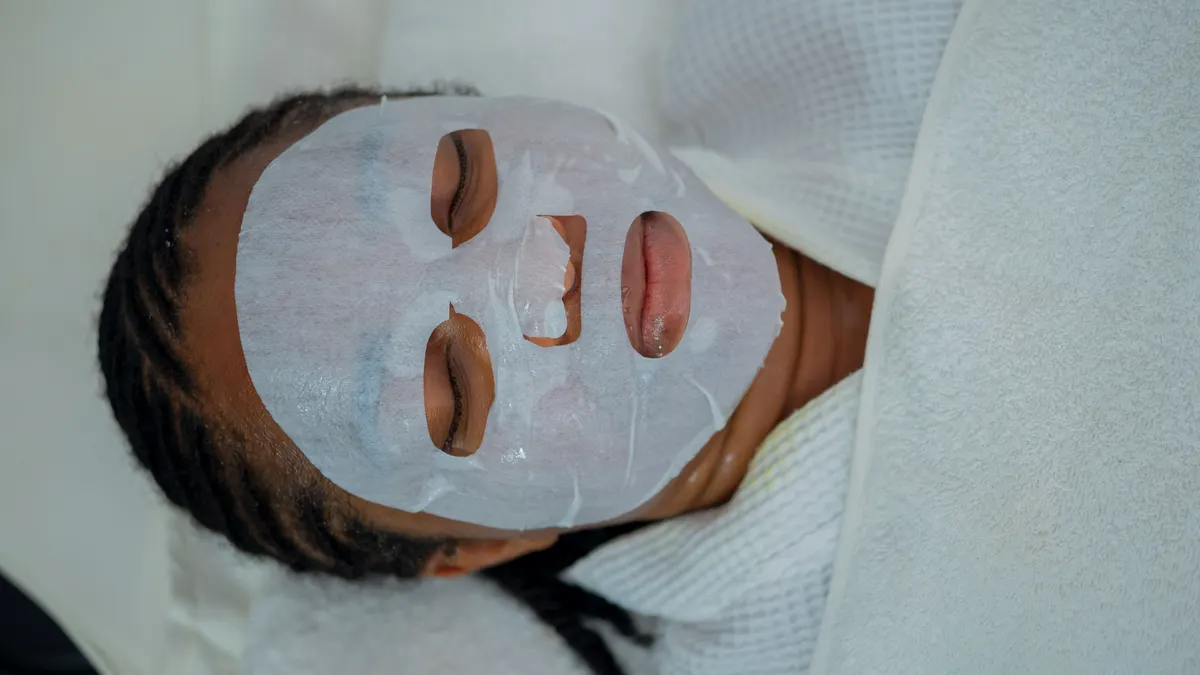
Sheet masks are the best option when the goal is a temporary hydration boost with minimal fuss. A good sheet mask can reduce the feeling of tightness in 10 to 20 minutes because it holds a watery serum against the skin and slows evaporation. That occlusive contact is the whole point. The mask itself is not the treatment; the serum is.
Look for simple ingredients: glycerin, hyaluronic acid, panthenol, aloe, allantoin, and sometimes niacinamide. A well-formulated sheet mask can be useful before makeup, after travel, or after a day in dry air. The biggest limitation is short-lived results unless a moisturizer is applied after it. Without that follow-up, skin may feel nice briefly and then return to baseline.
This is also the category most likely to hide weak formulas behind nice packaging. Some sheet masks are mostly water and fragrance with a thin dose of humectants. Others use heavily scented serum that can irritate sensitive skin. The sheet material itself can matter too. A mask that does not sit flat will dry out early and waste serum around the edges. That does not make sheet masks bad; it just means fit and formula quality matter.
Sheet masks are not the best value if the skin needs long-term correction. They are also not ideal for very oily skin, because the after-feel can be sticky and pointless. For someone with dryness plus a tight schedule, though, a fragrance-free sheet mask with humectants is one of the easiest, lowest-effort choices. If the ingredient list is long and full of plant extracts, the mask may still be pleasant, but it is not automatically better.
The honest side-by-side
Clay wins for oil control, hydrating masks win for comfort, exfoliating masks win for texture, and sheet masks win for convenience. The right choice depends on the skin problem, not on which jar looks most clinical.
| Criteria | Clay masks | Hydrating cream/gel masks | Winner for [condition] |
|---|---|---|---|
| Main job | Absorb surface oil with kaolin or bentonite | Add humectants and barrier-supporting ingredients | Clay for oily shine; hydrating for dryness |
| Best skin type | Oily, congested, shiny by midday | Dry, tight, barrier-stressed, sensitive | Depends on the problem |
| Typical feel | Mattifying, tightening, sometimes chalky | Softening, cushioning, sometimes rich | Hydrating for comfort |
| Common downside | Can over-dry or sting if left on too long | Can feel heavy or greasy on acne-prone skin | Hydrating for sensitive skin |
| Useful ingredients | Kaolin, bentonite, sulfur, zinc PCA | Glycerin, ceramides, panthenol, squalane | Depends on tolerance |
| Problem it does not solve well | Dehydration and barrier damage | Excess oil and visible shine | Neither solves everything |
| Risk of irritation | Medium to high if fragranced or left on too long | Low to medium, depending on fragrance and oils | Hydrating for reactive skin |
| Best use frequency | Usually 1 to 2 times weekly, if tolerated | As needed, often 1 to 3 times weekly | Hydrating for frequent use |
| Who should skip | Very dry, eczema-prone, rosacea-flared skin | Very oily users who hate residue | Depends on texture preference |
The table makes the decision plain. Clay is the sharper tool; hydrating masks are the safer one. If the skin is oily but also sensitized, neither a hard-drying clay nor a rich cream loaded with fragrance is ideal. In that case, a lighter gel mask with glycerin and niacinamide is often the middle ground. If the skin is not clearly oily or dry, there is no reason to force a mask choice at all — a simple moisturizer may do more.
Which ingredients matter most on the label?
The ingredient list matters more than the marketing name because the front of the package can be vague while the back is specific. If the goal is hydration, the first useful names are glycerin, hyaluronic acid, panthenol, beta-glucan, ceramides, cholesterol, and squalane. If the goal is oil control, look for kaolin, bentonite, sulfur, zinc PCA, or niacinamide. If the goal is texture smoothing, look for lactic acid, glycolic acid, salicylic acid, or gluconolactone.
Some ingredients change the experience without changing the result much. Fragrance, essential oils, menthol, eucalyptus, and strong botanicals can make a mask smell spa-like while raising the irritation risk. That matters especially on skin that already burns or stings from ordinary products. Alcohol denat. is another ingredient to watch. It is not always bad, but in a mask meant for dry or sensitive skin, it can make the product feel harsher than necessary.
Common allergens deserve a quick callout. Oat, aloe, fragrance mix components, lanolin, and some botanical extracts can trigger reactions in a subset of users. A person with known fragrance sensitivity should skip scented masks entirely. A person allergic to latex should also check packaging, because some sheet masks use elastic ear loops or components not listed prominently in the marketing copy. The sensible move is not to fear all botanicals; it is to recognize which ingredients have a history of trouble on your own skin.
The best label-reading habit is simple: find the first three to six ingredients, identify the active, and ask what the formula is trying to do. If the active matches the problem, the mask has a job. If not, it is decoration in a jar.
Which face mask should you choose right now?
Choose a clay mask if oil and shine are the main complaint and the skin is not already dry or irritated. Go with a hydrating cream, gel, or sheet mask if tightness, flaking, or barrier stress is the problem. Reach for an exfoliating mask only if rough texture, dullness, or clogging is the issue and the skin already tolerates acids. That is the shortest useful answer.
The more specific version is this: if the face looks greasy by midday, pick clay with kaolin or bentonite and keep contact time to the label’s 5 to 15 minutes. If the skin feels tight after cleansing, pick glycerin, panthenol, or ceramides instead. If pores and roughness are the complaint, a salicylic-acid or lactic-acid mask can help, but only if the skin is not sensitive. If the main goal is a quick refresh before an event, a fragrance-free sheet mask with humectants is the least complicated choice.
What would I not recommend? I would not recommend a clay mask for someone whose skin stings in winter, a peeling acid mask for someone with eczema, or a richly fragranced cream mask for someone who already reacts to most skincare. A mask should solve a specific problem in a 10- to 20-minute window, not introduce a new one.
The practical rule is simple: match the mask to the problem, then match the ingredients to your tolerance. That is the difference between a product that earns a place on the shelf and one that gets used once and forgotten.
When the better choice is no mask at all
No mask is the right call when the skin barrier is already angry. If the face burns after washing, flakes in patches, or gets red from basic moisturizer, more treatment is not the answer. In that situation, a bland cleanser, a simple moisturizer, and sunscreen usually do more good than any specialty mask. A mask can wait until the skin stops reacting.
The same caution applies if the routine already includes several strong actives. Retinoids, benzoyl peroxide, alpha hydroxy acids, and exfoliating scrubs can add up fast. A mask with acids on top of that stack can push skin into irritation even if each product seems reasonable on its own. If that is happening, the issue is not mask type; it is total routine load.
People with diagnosed skin conditions should treat this as skincare, not entertainment. Rosacea, eczema, and persistent acne deserve individualized guidance from a clinician or dermatologist, especially when over-the-counter products are not helping after several weeks. A mask can support a routine, but it should not carry the whole plan.
The best mask is often the one that is boring, targeted, and easy to tolerate. If a product promises glow, detox, pore refinement, brightening, and soothing in one go, that is the moment to step back. The skin usually prefers one clear job at a time.
What to remember before buying
The best face mask is the one that matches the skin problem and does not create a new one. Clay is for oil, hydrating formulas are for dryness and sensitivity, exfoliating masks are for texture, and sheet masks are for quick moisture with low effort. Fragrance, essential oils, and strong acids are the usual trade-offs that decide whether a formula feels helpful or irritating.
If I had to compress the whole guide into one buying rule, it would be this: read the ingredient list before the claims, and use the mask for the problem you actually have. That simple habit avoids most disappointing purchases.
Key takeaways
- Oil-heavy skin usually benefits most from kaolin, bentonite, or sulfur, not from heavy creams.
- Dry or tight skin usually needs glycerin, ceramides, panthenol, or hyaluronic acid more than “detox” ingredients.
- Exfoliating masks can improve rough texture, but they are the easiest to overdo.
- Fragrance, menthol, and essential oils are common reasons a mask feels irritating.
- If skin is already burning or peeling, a mask is often the wrong step.
Drafted with AI; not yet reviewed by a person.
Leave a Reply