


Last updated: November 05, 2026
Key Takeaways
- Pick the mask format that fits your skin goal, cleanup tolerance, and available time.
- The main face mask formats are clay, cream, gel, sheet, overnight, peel-off, and exfoliating masks, each with a different delivery style.
- Clay and exfoliating masks suit oiliness and congestion; cream, gel, and overnight masks suit dryness, dullness, and barrier support.
- Each format needs its own application method, and poor technique can reduce the result.
- The fastest way to choose the right mask format
- What are the main face mask formats?
- Which format fits your skin concern best?
- How should each face mask be applied for the best result?
- The honest side-by-side: format, contact time, and real-world trade-offs
- The formats most people misunderstand
- What should you buy if you want one mask that is least likely to disappoint?
- When to pick something else entirely
- The verdict: which face mask format should you choose?
Face mask formats and application methods — The Complete Guide matter because the format changes the result more than most people think, and the right application method changes it again. A clay mask, a cream mask, a sheet mask, and an overnight sleeping mask all behave differently on skin, and the wrong way to apply any of them usually means less comfort, less payoff, and more irritation. This guide to face mask formats and application methods — The Complete Guide focuses on how the products are actually used, not just how they are marketed. For broader ingredient context, see the American Academy of Dermatology and NHS guidance on eczema and skin care.
The fastest way to choose the right mask format
The fastest way to choose the right mask format is to match the product to your skin goal, your tolerance for cleanup, and the amount of time you actually have. If the goal is oil control and a quick reset, a rinse-off clay or sulfur mask usually makes more sense than a hydrating cream mask. If the goal is temporary dehydration, dullness, or post-flight tightness, a sheet mask or gel-cream mask is the better fit because it keeps water in contact with skin for longer.
That is the first decision most readers need help with. People often ask about “the best face mask” as if one product type should do every job, but it should not. A clay mask can help absorb excess oil, yet it can also feel stripping if left on until it cracks. A hydrating sleeping mask can make skin feel softer by morning, but it will not do the same deep-decongesting work as a wash-off formula. The format is not a small detail; it is the delivery system. For ingredient basics, the American Academy of Dermatology explains why skin type and barrier support matter.
If you are buying for acne-prone skin, look closely at rinse-off masks with ingredients like kaolin, bentonite, sulfur, or salicylic acid, while being careful with leave-on formulas that can sit on already irritated skin. For dry or sensitive skin, look first at cream, gel, or hydrogel formats that are fragrance-light and designed to stay comfortable for 10 to 20 minutes or overnight. That timing matters because a formula that is tolerable for 10 minutes may be too much when left on for 8 hours, and the NHS advises caution with products that aggravate sensitive skin.
One useful rule: choose by problem first, format second, ingredient third. A rich cream with ceramides may be better than a trendy peel-off mask if your barrier is already stressed. A peel-off can feel satisfying, but it can tug at fine facial hair and is often a poor match for reactive skin. The goal is not the most dramatic removal. It is the best match for the skin state in front of you.
What are the main face mask formats?
The main face mask formats are clay, cream, gel, sheet, overnight, peel-off, and exfoliating masks, and each one uses a different way of delivering ingredients to skin. Clay and cream masks are usually rinse-off; sheet, gel, and overnight masks are usually leave-on; peel-off masks form a film; exfoliating masks combine acids, enzymes, or physical particles with short contact time.
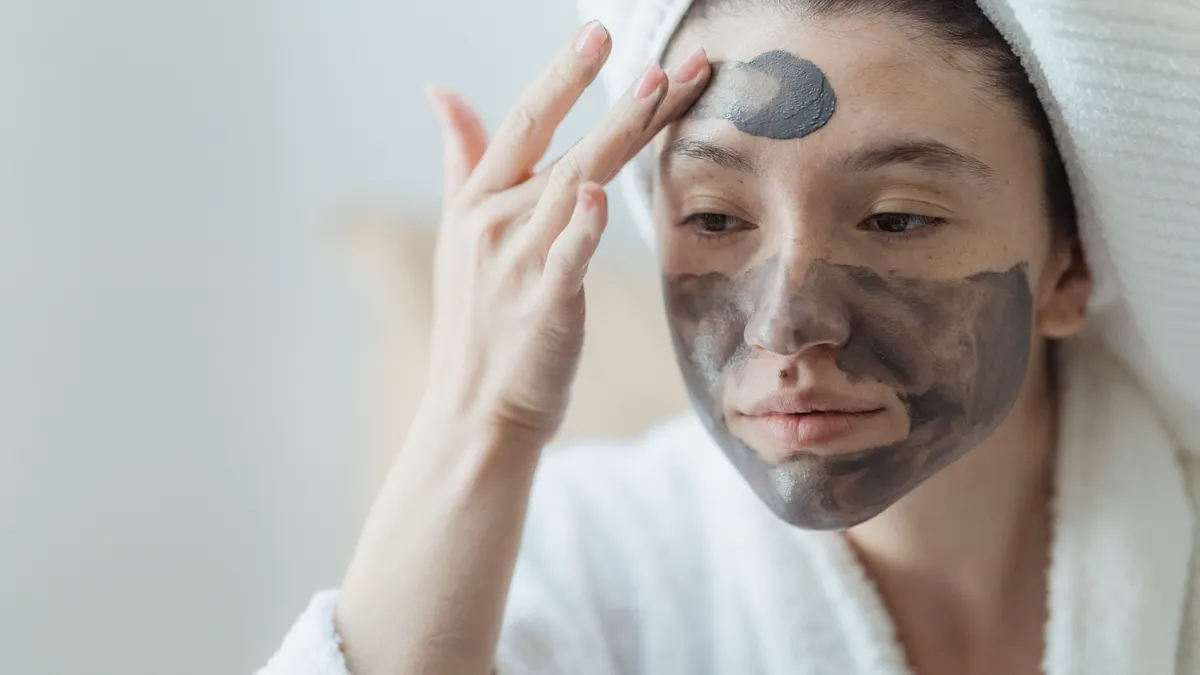
Clay masks are the blunt instrument of the group. Kaolin and bentonite are common clays because they can absorb surface oil and help skin look less shiny after use. They are usually the most obvious choice for an oily T-zone, large pores that look more obvious when congested, or a weekly reset before an event. The trade-off is dryness. A clay mask used too often can leave skin tight, especially on cheeks and around the mouth.
Cream masks are the most forgiving. They are often built with humectants, emollients, and barrier-support ingredients such as glycerin, squalane, ceramides, or panthenol. The upside is comfort. The downside is that they may not always feel like they are “doing” much in the moment, especially if you want a dramatic degreasing effect. That is normal. A cream mask can still improve hydration and reduce the look of roughness without the sting some people mistake for efficacy. The AAD recommends gentle, fragrance-light moisturising care for dry skin.
Gel masks and gel-cream masks sit in the middle. They usually feel cooler and lighter than cream masks and are a natural fit for humid weather, post-sun discomfort, or combination skin. They do not usually leave a heavy film, which is a plus for people who hate residue. Their limitation is that they are rarely the strongest option for very dry skin or for heavily clogged, oily skin.
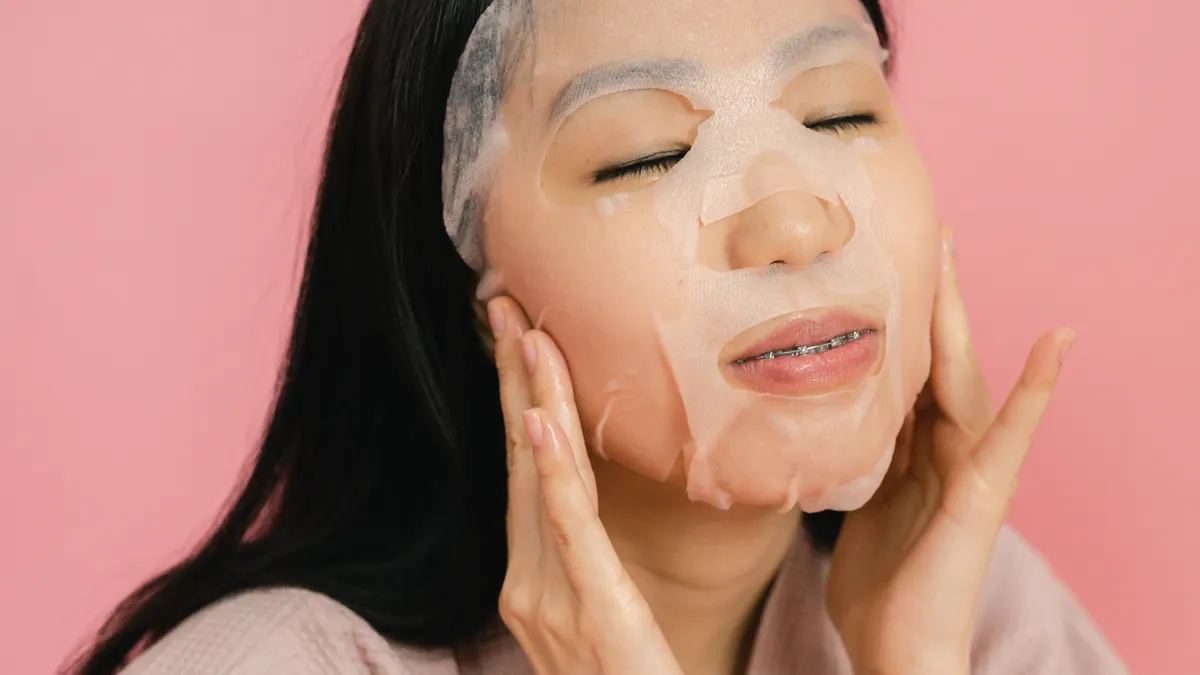
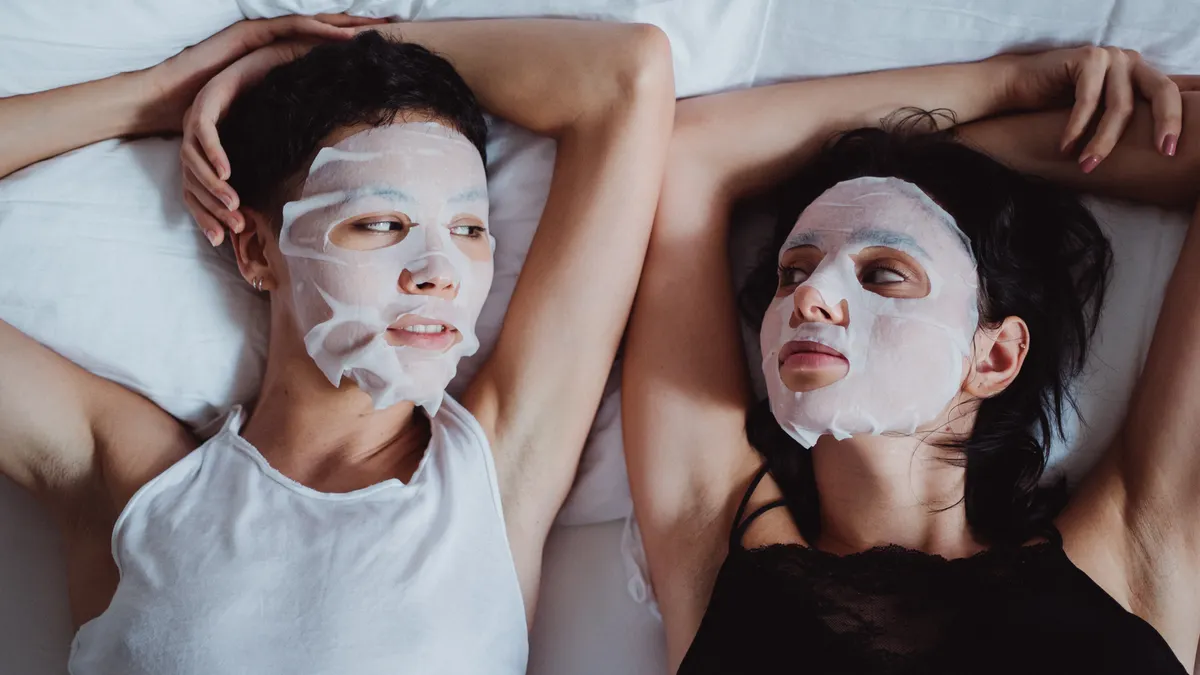
Sheet masks are pre-cut fabric, cellulose, or hydrogel sheets soaked in serum. They are popular because they keep the formula pressed against the face and minimize evaporation for a set period, often around 10 to 20 minutes. That makes them convenient for hydration. It also makes them messy if they drip or if the fit is poor around the nose and chin. The fit matters more than the branding.
Overnight masks, also called sleeping masks, are leave-on formulas meant to stay on for several hours. They are usually better described as a final hydrating layer than as a treatment in the dramatic sense, so it is sensible to consult a dermatologist or other skin professional if your skin is reactive or acne-prone. They work best when skin needs sustained moisture, not when it needs aggressive exfoliation. A heavy occlusive sleeping mask on acne-prone or easily clogged skin can be the wrong call.
Peel-off masks are the most overhyped format in beauty marketing. They can create a satisfying film and a brief smooth feel, but they can also be uncomfortable to remove and are often a poor choice for sensitive skin, rosacea-prone skin, or anyone with facial hair. The sensation is not the same as true deep cleansing.
Exfoliating masks are a category rather than a texture. They may use alpha hydroxy acids, beta hydroxy acids, enzymes, or fine particles. The strongest versions belong on a schedule, not in a daily routine, because the benefit depends on contact time and skin tolerance. If a product burns hard or leaves skin sore, that is not a success story.
Which format fits your skin concern best?
Clay and exfoliating masks win for oiliness, congestion, and the look of clogged pores; cream, gel, and overnight masks win for dryness, dullness, and barrier support. That is the simplest way to match format to concern without getting lost in marketing language.
For oily skin, clay is the most direct tool. It can reduce the shiny look that appears a few hours after washing, and it can make skin feel cleaner without needing a scrub. The downside is that oily skin can still be irritated skin. If the face feels squeaky afterward, the mask went too far or stayed on too long. In practice, 5 to 15 minutes is a more useful starting window than waiting for the mask to crack hard.
For acne-prone skin, the useful formats are the ones that reduce congestion without provoking a flare. A sulfur or salicylic acid wash-off mask may help some people, but if active breakouts are inflamed, a harsh clay-plus-scrub combination can aggravate them. The problem is not acne itself; it is the temptation to use a strong format as if stronger always means better. It does not. A dermatologist’s advice matters if breakouts are persistent, painful, or scarring, and the AAD acne overview is a useful starting point.
For dry skin, the best format is usually a cream, gel-cream, or sleeping mask with humectants and barrier lipids. The short-term benefit is less tightness. The longer-term benefit is that skin often looks smoother because the outer layer is better hydrated. A sheet mask can also help, but only if the serum is well matched to dry skin and the sheet does not dry out before removal.
For sensitive skin, the safest choices are fragrance-free or low-fragrance cream masks, simple gel masks, and very mild hydrating sheet masks. Avoid strongly fragranced formulas, peel-off masks, and any product that promises a “tingle.” Tingle is not a skin type. It is a warning label in disguise.
For combination skin, the format can be split by zone. A clay mask on the T-zone and a hydrating cream mask on the cheeks is often smarter than forcing one formula across the entire face. That approach is common because combination skin is not a single condition; it is two or more needs on one face.
For dull, tired-looking skin, a hydrating or mild exfoliating mask often works better than a heavy occlusive one. Dullness can come from dryness, rough texture, or a buildup of dead skin cells. The fix depends on which one is driving the look. If skin is just thirsty, hydration helps. If it is rough, exfoliation helps. If it is both, a two-step routine on separate days is usually cleaner than piling on everything at once.
How should each face mask be applied for the best result?
Each format needs a different application method, and the wrong technique can cancel out the product’s benefits. A clay mask should go on in a thin, even layer; a sheet mask should be smoothed to remove air pockets; a sleeping mask should be the last step; and exfoliating masks need strict timing rather than a thicker application.
Start with clean skin. That sounds basic, but it matters because leftover sunscreen, makeup, and heavy cleanser residue can block even contact. A gentle cleanse is enough for most formats. Harsh scrubbing before masking usually adds irritation without improving absorption. If the mask is exfoliating, a clean, dry face is often the safer setup, unless the directions say otherwise.
For clay masks, use enough to cover skin without turning it opaque and pasty. A thin layer dries more evenly and is easier to remove. Focus on the T-zone if cheeks are dry. Do not wait until the product is fully cracked if your skin runs dry or sensitive; many clays work well when removed while they are still slightly tacky. A good rule is to rinse before the mask becomes uncomfortable.
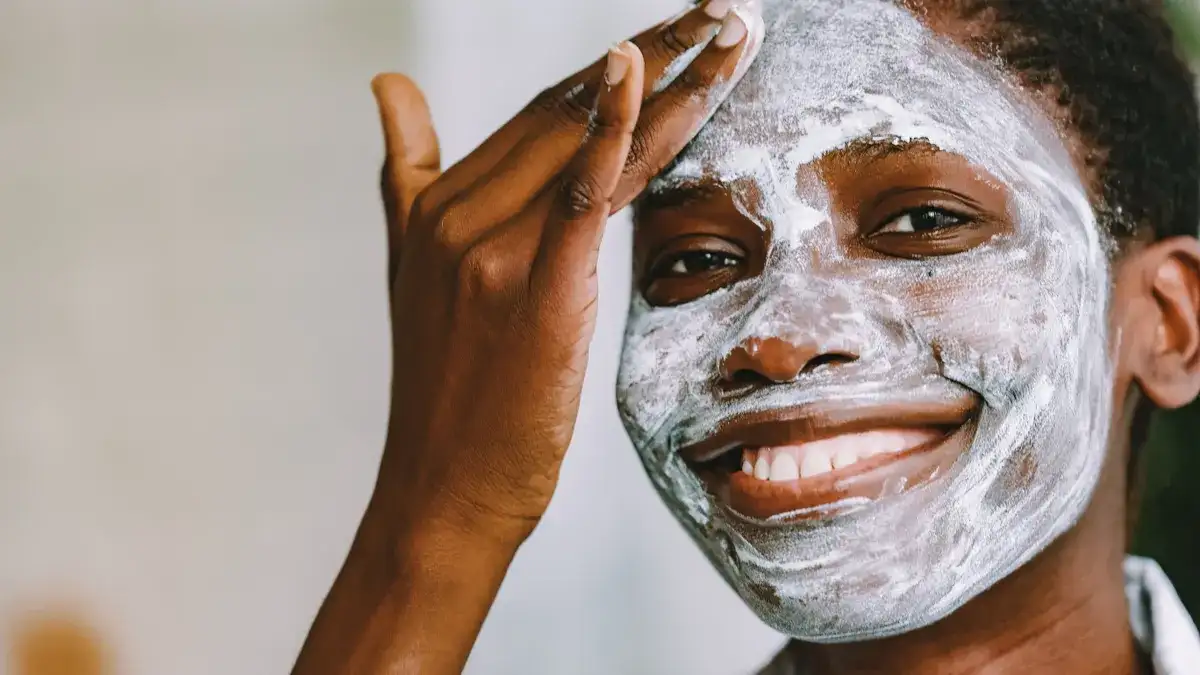
For cream masks, apply a generous but not greasy layer. The goal is coverage, not a visible frosting effect. Cream masks often need 10 to 20 minutes, though some can be left on longer if the label allows it. Wipe or rinse off according to the product’s design. If the mask pills when you add it over serum, the base layers are too heavy or too slippery.
For gel and gel-cream masks, a smooth layer is usually enough. These formulas spread best when skin is slightly damp, unless the instructions say the opposite. They are useful when the face feels hot or reactive because they tend to sit lightly. If the formula contains active exfoliants, do not layer it with another acid product the same night without a clear reason.
For sheet masks, align the eyes, nose, and mouth first, then press from the center outward. Smooth out trapped air bubbles so the serum touches skin evenly. If the sheet dries out in 10 minutes, remove it rather than leaving a dry sheet to pull moisture back from the skin surface. That is one of the most common mistakes with this format. Finish by patting in the remaining serum; do not rinse it off unless the directions say to.
For overnight masks, use them as the last step after cleansing and any lighter treatments. A pea- to almond-sized amount is often enough for the whole face, but the exact amount depends on texture and spreadability. The main mistake here is using too much and waking up greasy. A sleeping mask should feel cushioned, not suffocating.
For peel-off masks, apply an even film and respect the drying time exactly. Thick patches stay wet too long, which makes removal uneven. Thin edges can become painfully tight. If the mask tugs hard at removal, the layer was too thick, too thin, or left on too long. That format is usually a poor choice for anyone with fine facial hair or fragile skin.
For exfoliating masks, timing is the whole game. Follow the label, use a timer, and rinse fully. Extra minutes do not equal extra benefit. They often equal redness. If the product suggests once weekly, treat that as a ceiling, not a starting point.
The honest side-by-side: format, contact time, and real-world trade-offs
Clay and sheet masks are the most situationally useful formats, but they solve different problems and fail in different ways. Clay wins when oil, shine, and congestion are the issue. Sheet wins when dehydration, slackness, and lack of slip are the issue. The table below shows the practical differences that actually change the choice.
| Criteria | Clay mask | Sheet mask | Winner for condition |
|---|---|---|---|
| Main function | Absorbs surface oil and helps decongest | Delivers hydration serum under a sealed sheet | Clay for oiliness; sheet for dehydration |
| Typical contact time | About 5 to 15 minutes | Often about 10 to 20 minutes | Sheet for longer, gentler contact |
| Skin feel during use | Can tighten as it dries | Usually cool and wet at first | Sheet for comfort |
| Best skin type | Oily, congestion-prone, combination T-zone | Dry, dull, dehydrated, stressed skin | Depends on skin type |
| Cleanup | Rinse-off required | No rinse, just remove and pat in serum | Sheet for convenience |
| Irritation risk | Higher if overused or left until hard | Higher if fragrance or fit bothers skin | Sheet for sensitive users if the formula is simple |
| Mess factor | Moderate; can crumble and dry on sink edges | Moderate to high; serum can drip | Clay for less dripping |
| Travel convenience | Less convenient, since water is needed | Very convenient for hotel or plane prep | Sheet for travel |
| Not ideal for | Very dry, easily stripped, or inflamed skin | People who hate residue or dislike fit issues | Depends on user preference |
The main trade-off is simple: clay gives more visible oil control, but it punishes overuse faster. Sheet masks feel easier and more comfortable, but they depend heavily on serum quality and sheet fit. A cheap sheet mask with too little serum or a poor cut can become little more than damp fabric. A very drying clay can turn a skin-care step into a stripping event. Neither format is inherently better. The better one is the one that matches the skin’s current state and the user’s tolerance for cleanup, residue, and timing.
The formats most people misunderstand
Peel-off masks, overnight masks, and exfoliating masks are the most misunderstood formats, and the mistakes are usually about expectations. Peel-off is not automatically “deeper,” sleeping mask is not automatically “heavier but better,” and exfoliating mask is not the same thing as a scrub.
Peel-off masks are often bought for the satisfying removal, not the skin benefit. That is the wrong reason to choose a skincare product. The film can lift dead surface cells and some debris, but it can also stress the outer layer if pulled repeatedly. If skin is dry, sensitized, or marked by redness, this is the format I would skip first. The short-term smooth feel can be bought at the cost of comfort.
Overnight masks are useful when skin needs continuous hydration, especially in dry climates, heated rooms, or after travel. They are not meant to replace a moisturizer in every routine. Think of them as a specialized final layer. If the formula is rich enough to stay on for 6 to 8 hours, it may be too much for someone who already uses several emollient layers underneath. The consequence is clogged feel, not better skin.
Exfoliating masks are easiest to misuse because people confuse them with weekly “treatments” and leave them on longer than directed. Acid masks with glycolic acid, lactic acid, salicylic acid, or enzyme blends vary widely in strength. A mask that gives a slight tingle for 3 to 5 minutes is not the same as one that is meant to stay on for 15. More time does not create more benefit once skin hits its tolerance limit.
The most common generic advice on these products is too vague to be useful: “use as directed.” That is true, but the meaningful part is why the directions matter. A peel-off mask has mechanical risk. A sleeping mask has occlusion risk. An exfoliating mask has threshold risk. Those are different problems, and the application method is what controls them.
What should you buy if you want one mask that is least likely to disappoint?
A simple hydrating cream mask is the safest one-mask choice for most people, but it is not the best choice for oil control, and it is not the right format for anyone looking for serious exfoliation. That makes it the best general-purpose pick and the wrong specialist pick.
If you want the least controversial option, choose a fragrance-light cream or gel-cream mask with glycerin, panthenol, ceramides, squalane, or hyaluronic acid. That kind of formula usually sits well on normal, dry, or combination skin and is easier to tolerate than more aggressive formats. It is also the most forgiving for beginners because it is less likely to sting or need exact timing.
If your main complaint is shine or a congested nose and chin, go straight to a clay mask with kaolin or bentonite. If your main complaint is that skin looks tired, tight, or dehydrated after cleansing, choose a sheet mask or sleeping mask. If your main complaint is rough texture, choose an exfoliating mask and commit to occasional use only.
The most honest answer is that there is no universal winner. The format should be chosen as a tool, not a personality test. A person with oily skin does not need a hydrating sleeping mask first, and a person with dry skin does not need a stripping clay mask because it sounds more “active.” The wrong format can leave skin worse than before, even when the ingredient list looks impressive.
When to pick something else entirely
There are four situations where the mask choice should flip, and in those cases the usual winner is the wrong one. First, if the skin is burning, peeling, or red from overuse of actives, stop chasing treatment masks and use a bland moisturizer for several days. Second, if acne is painful, widespread, or leaving marks, a mask is not the main answer; a dermatologist-guided acne plan is. Third, if the skin reacts to nearly everything, skip fragranced sheet masks and peel-off products altogether. Fourth, if the face is already balanced and comfortable, no mask is better than forcing one into the routine.
This is where the generic beauty content usually goes wrong. It treats masking as mandatory self-care. It is not mandatory. It is a targeted tool. Some faces need it once a week. Some need it only before travel or after a dry winter stretch. Some need none at all.
A second point that matters: application method can matter more than price or packaging. A $12 clay mask left on until it cracks can perform worse than a simpler formula removed at the right time. A sheet mask with a poor fit can be less useful than a basic gel mask applied evenly. Technique is not glamorous, but it is the part that actually changes outcomes.
The verdict: which face mask format should you choose?
Choose a clay mask if your main goal is oil control, visible decongestion, or a weekly reset for an oily T-zone. Choose a sheet or gel-cream mask if your skin is dehydrated, tight, or easily irritated and you want comfort with low cleanup. Neither if your skin is inflamed, peeling, or already reacting badly to actives, because the safer move then is to stop masking and simplify the routine.
The practical rule is this: match the format to the skin state, then follow the timing on the label exactly. That is the difference between a mask that helps and a mask that just adds another step. If a product needs to feel harsh to seem effective, it is probably the wrong one for this face.
Drafted with AI; not yet reviewed by a person.

Leave a Reply