


Last updated: November 19, 2026
Quick Answer: In Occlusives in face masks: when a sealing layer helps skin, one layer can help most when skin feels dry or stressed, and this guide uses 10–20 minutes as the usual wear time for a wash-off mask.
In short: Occlusives in face masks help when skin is losing water faster than it can hold onto it, because a sealing layer slows that loss and supports a drier, stressed barrier.
Key Takeaways
- Occlusive masks sit on top of skin and help slow water loss.
- They matter most when skin feels dry, stressed, or barrier-weakened.
- Ingredient order gives clues about texture and sealing strength.
- Use a thin layer, clear timing, and a simple routine.
This guide shows when that kind of mask makes sense, which occlusives show up most often — petrolatum, dimethicone, lanolin, mineral oil, and shea butter — and when a rich finish is just too much. For related guidance, see the hub on face mask ingredients and formulation science and the pages on barrier repair skincare, moisturizers vs. face masks, and how to read an ingredient list.
What occlusives do in a face mask
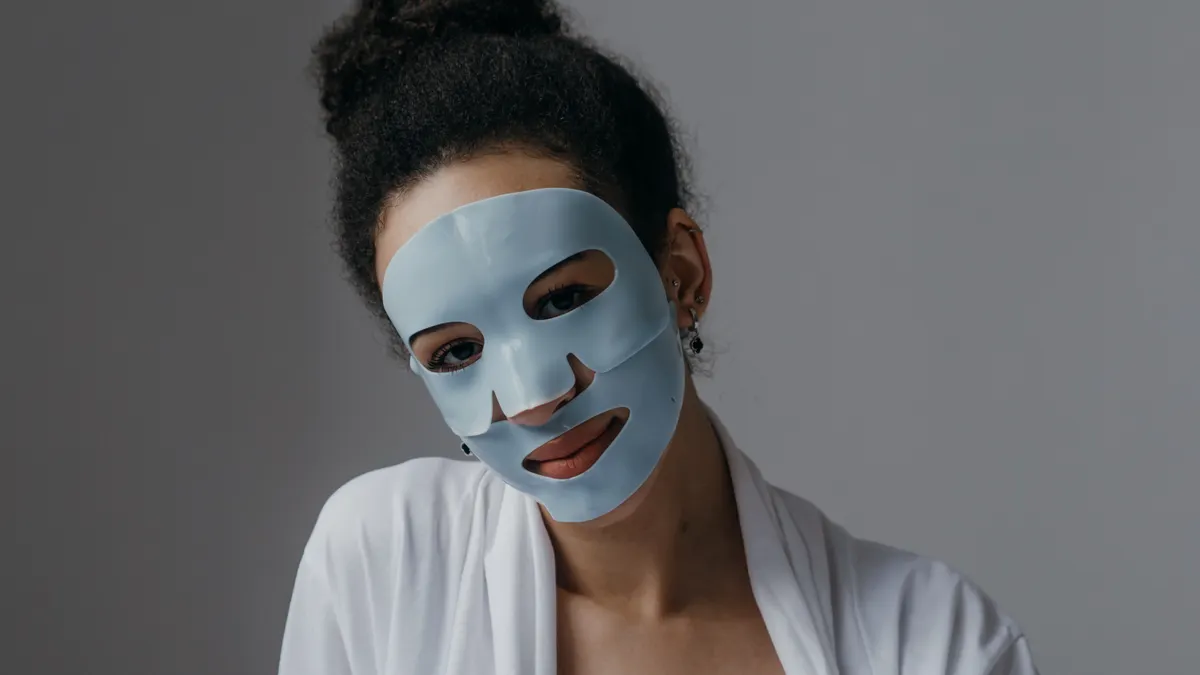
Picture this: you’ve cleansed, your skin feels tight, and a normal cream disappears in minutes. In Occlusives in face masks: when a sealing layer helps skin, an occlusive face mask sits on top instead, forming a film-forming layer that helps keep water from escaping.
That is the whole trick. Occlusives do not add much water on their own; they slow the transepidermal water loss that follows cleansing, cold air, wind, or a disrupted barrier. In a mask, that effect is stronger because the product stays on for 10–20 minutes, or longer in an overnight formula. For background on water loss and barrier function, see the American Academy of Dermatology and NHS guidance on dry skin care.
Think of them as a lid, not a drink.
The ingredients that do this best are often the simplest ones:
- Petrolatum: a classic, highly sealing option often used in balm-like products.
- Dimethicone: a silicone that gives slip and a smoother finish.
- Lanolin: an animal-derived waxy emollient that can feel rich and sticky.
- Mineral oil: a light, inert oil used in many barrier creams.
- Shea butter: a plant butter that adds richness and body.
A lot of people call any thick mask “hydrating,” but that misses the point. A mask can feel plush because it is occlusive, not because it is packed with humectants. That distinction matters if your skin stings after cleansing or flakes along the cheeks. It also matters if you break out easily, because a heavy film can be too much for some faces.
For the broader formulation picture, I’d keep the hub on face mask ingredients and formulation science open beside this page. It also helps to compare it with occlusive skincare basics and how to choose a night mask.
When a sealing layer helps skin
Picture this: your face feels fine at noon, then by evening it’s tight, red, and rough around the nose. A sealing layer helps most in that kind of dry, stressed moment, especially when the skin barrier needs backup rather than a lot of extra activity.
The best use case is water loss reduction, but only in a practical sense: if your skin is already depleted from cold weather, frequent washing, retinoids, acne treatments, or a long flight, an occlusive mask can give the surface a quieter environment for a while. If that kind of depletion is severe or persistent, consult a dermatologist or other qualified professional, especially if you are also using prescription acne or retinoid products. That does not “fix” the barrier overnight, but it can make the skin feel less exposed while you wait for the rest of your routine to do its job. For more on dry-skin routines, see the AAD and Mayo Clinic pages on dry skin.
This is why occlusive masks often show up as:
- Overnight formulas for very dry skin or rough patches.
- Balms and masks that combine butter, wax, or silicone with a bit of humectant.
- Rich textures that stay in place on the cheeks, jaw, and around the mouth.
The catch: a sealing layer helps only if the skin underneath still has enough water to hold on to. If the face is already stripped and irritated, a heavy mask can feel greasy without solving the real problem. A gentler cleanser, less frequent actives, and a simpler barrier-support routine may matter more.
On the flip side, an occlusive layer can be the wrong move if you are oily and easily congested, or if you want a fresh, weightless finish. Not every dry-feeling face needs a heavy film. Some need less washing, not more sealing.
Which occlusives show up most often
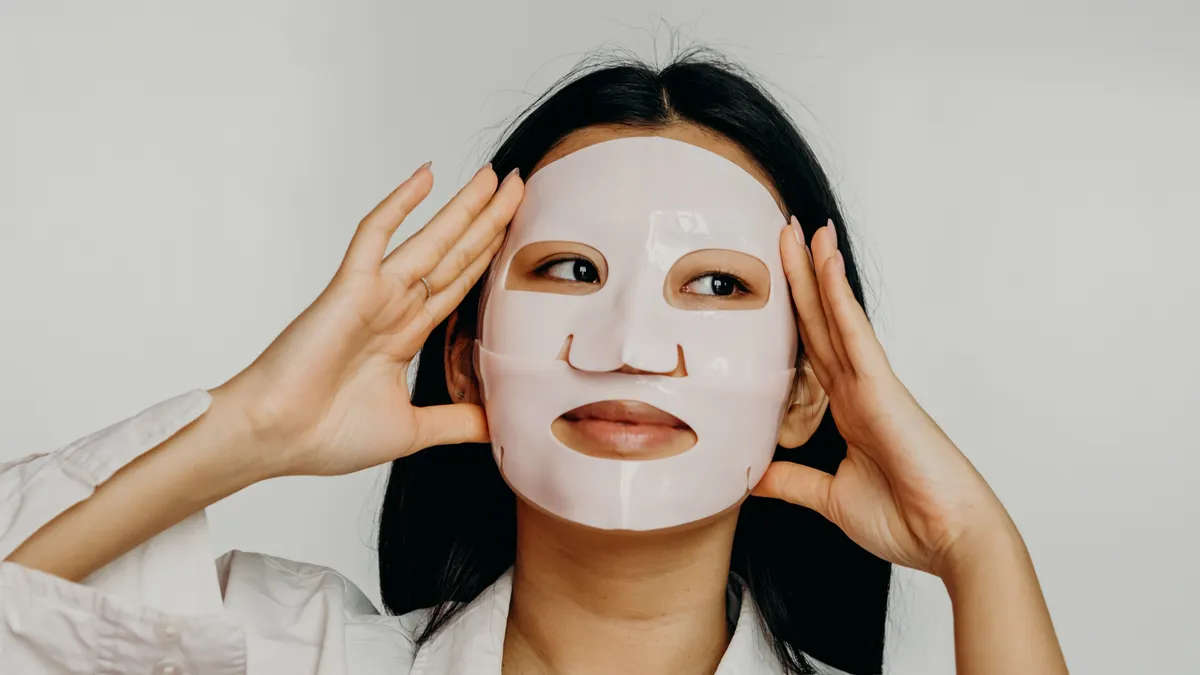
Picture this: you’re scanning an ingredient list and trying to guess whether the mask will feel silky, waxy, or heavy. The ingredient names tell you a lot, and the order matters just as much as the names themselves.
Here’s the practical read on the most common occlusives:
- Petrolatum is the strongest sealer of the group and usually appears in very protective formulas.
- Dimethicone gives a smoother, more slip-friendly finish and often feels less greasy.
- Mineral oil is simple, stable, and useful when a formula needs glide without a lot of fuss.
- Lanolin is rich and effective, but it is also a more common trigger for sensitivity in some people.
- Shea butter brings body and a cushioned feel, but it can make a mask heavier on the skin.
That list is not a ranking of “good” and “bad.” It is a map of texture and tolerance. A petrolatum-heavy balm can be excellent for a flaky chin but miserable on an acne-prone forehead. A dimethicone-based mask may be the better fit when you want sealing without the same greasy finish.
One more thing: occlusives rarely work alone in a smart mask. Many formulas mix them with humectants like glycerin or panthenol and with emollients that soften the surface. That combination gives the skin both comfort and cover. Still, the occlusive part is what keeps the water from escaping too fast.
If a formula says “night mask” or “sleeping mask,” that does not automatically mean it is rich enough to count as an occlusive mask. Always check where the sealing ingredients sit in the list, and if you are unsure how to interpret a product, consult a dermatologist, esthetician, or pharmacist. If they are near the top, the product is likely built for more than a quick rinse-off treatment. For ingredient-list help, see how to read an ingredient list and what to look for in a sleeping mask.
How to use an occlusive mask without overdoing it
Picture this: you want the calm, cushioned feel, but you do not want your face to look and feel coated the next day. The safest way to use an occlusive mask is to keep the layer thin, the timing clear, and the rest of the routine simple.
Follow these steps:
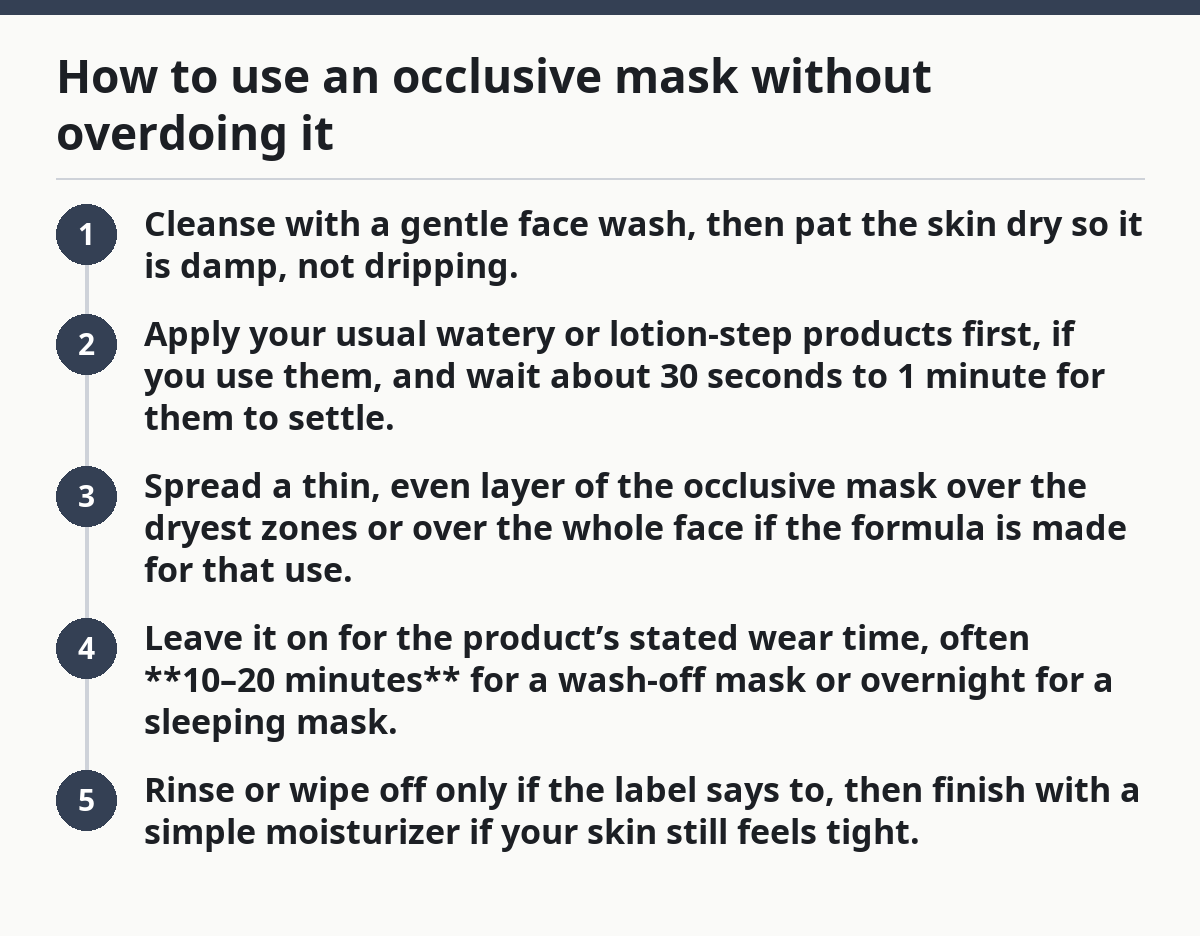
- Cleanse with a gentle face wash, then pat the skin dry so it is damp, not dripping.
- Apply your usual watery or lotion-step products first, if you use them, and wait about 30 seconds to 1 minute for them to settle.
- Spread a thin, even layer of the occlusive mask over the dryest zones or over the whole face if the formula is made for that use.
- Leave it on for the product’s stated wear time, often **10–20 minutes** for a wash-off mask or overnight for a sleeping mask.
- Rinse or wipe off only if the label says to, then finish with a simple moisturizer if your skin still feels tight.
That order matters because an occlusive works best when it seals in what is already there. If you put it on first, you can block lighter products from spreading well. If you pile on too much, you get drag, pilling, or a greasy film that never really settles.
A few practical details help:
- Use less on the T-zone if that area clogs easily.
- Keep the layer thinner around the nose and chin if those spots flake.
- If your skin warms, itches, or feels prickly, remove the mask sooner rather than later.
One more rule: do not turn every occlusive mask into an all-night habit. Daily heavy sealing is often too much for combination skin. A better rhythm is to use it when the skin truly looks or feels parched, then step back once the surface calms. For more routine guidance, see how often to use a face mask and night skincare for dry skin.
When occlusive masks are a bad fit
Picture this: your skin is already shiny by lunch, and the last thing you want is a glossy film sitting on top of it. Occlusive masks are a poor fit when congestion, excess oil, or heat make heavy textures feel worse instead of better.
The main problem is not “too much moisture.” It is too much seal for the skin’s current state. A thick layer can trap heat, feel sticky, and leave some people more aware of every pore and patch of oil on the face. That is why lanolin-heavy or butter-heavy masks can be awkward on acne-prone skin, especially on the forehead and nose.
There are a few clear skip signs:
- You usually break out after rich balms.
- Your skin feels comfortable with light lotions, not dense creams.
- You want a quick rinse-off treatment, not a longer wear time.
- You dislike residue on pillows, glasses, or hairline edges.
That does not mean occlusives are “bad.” It means the finish matters. Dimethicone may work better than a butter-heavy blend if you want a lighter hand. A tiny amount of petrolatum over a very dry patch may help more than a full-face layer of shea butter.
Also, a mask can be sealing without being smart. If it is packed with fragrance or lots of extra botanicals, the occlusive part may not be the only issue. For sensitive skin, the shortest ingredient list often wins. See fragrance-free skincare and sensitive-skin face masks for more context.
Choosing between a balm and a mask
Picture this: you’re standing in front of two products that both look rich — one is called a balm, the other a mask — and you need to know which one actually fits the job. The difference is usually format, wear time, and how much residue you can tolerate.
A balm is often the better choice when you want spot protection or a final step over a small dry area. A mask is better when you want a broader layer that stays on for a set time, often 10 minutes, 20 minutes, or overnight. The mask format usually signals that the formula is built for spreadability and a more even film.
Here’s the simple split:
- Choose a balm when you need targeted sealing on cheeks, around the mouth, or across a raw patch.
- Choose a mask when your whole face feels dry, tight, or weather-beaten.
- Choose a lighter cream when you only need mild support and not a true seal.
The ingredient blend matters more than the label. A balm can be mostly petrolatum with almost no slip. A mask can be a silicone-rich cream that feels smooth but still leaves a barrier. The label alone will not tell you how heavy it feels after 30 minutes.
A common mistake is buying the richest product in the aisle and treating that as the answer to every dry-skin problem. It is not. If your barrier is stressed from over-cleansing, actives, or dry air, a sealing layer can help. If the problem is irritation from a specific ingredient, more sealing will not solve it.
For readers who want the larger framework, the next step is the hub on face mask ingredients and formulation science. This topic sits inside that bigger map.
The practical read on occlusives, in plain language
Picture this: you want a simple rule you can remember next time you shop. Use an occlusive mask when your skin needs less water loss and more surface protection; skip it when your skin already feels heavy, oily, or congested.
That rule covers most real-world decisions. Petrolatum is the strongest seal. Dimethicone is the lightest-feeling of the usual group. Lanolin, mineral oil, and shea butter each bring a different mix of richness, slip, and weight. The right choice depends on whether your face wants a hard seal or a softer finish.
The best time for this kind of mask is after cleansing, during dry weather, after barrier-stressing routines, or as an overnight option when your skin needs a more protective layer. The worst time is when you are hoping a thick film will solve oiliness, acne, or irritation from an ingredient you keep using.
That is the honest line. A sealing layer can help skin. It just has to meet the skin it is sitting on.
What is an occlusive in skincare?
An occlusive is an ingredient that forms a seal on the skin’s surface and slows water from escaping. Petrolatum, dimethicone, lanolin, mineral oil, and shea butter are common examples, and they are often used when skin feels dry or barrier-stressed.
Are occlusives good in face masks?
Yes, occlusives can be a good fit in face masks when the goal is to reduce water loss and give the skin a more protected surface. They are less useful if you want a light, fast-drying finish or if your skin gets congested with rich products.
When should I use an occlusive mask?
Use an occlusive mask when your skin feels tight, flaky, or exposed after cleansing, during cold or dry weather, or after treatments that leave the skin drier than usual. It can also make sense as an overnight formula when you want longer wear and a stronger seal.
Drafted with AI; not yet reviewed by a person.

Leave a Reply