


Last updated: November 05, 2026
Quick answer: face mask materials explained: sheet, cream, clay, gel and overnight masks are the format of a mask, and the format changes how it wears, how long it stays on, and how it comes off. Face mask materials explained: sheet, cream, clay, gel and overnight masks also help you compare products by texture before you compare claims.
Key Takeaways
- Face mask materials are the format and wear style, not the active ingredients.
- Sheet masks are thin sheets soaked in serum and worn briefly on the face.
- Cream masks are rich, spreadable masks removed after a set time.
- Clay masks are paste-like masks that dry down and are rinsed off before they fully harden.
Face mask materials are the physical formats a mask comes in: sheet, cream, clay, gel, and overnight. That format changes how the product sits on skin, how long it stays on, and how it is removed.
What face mask materials actually mean
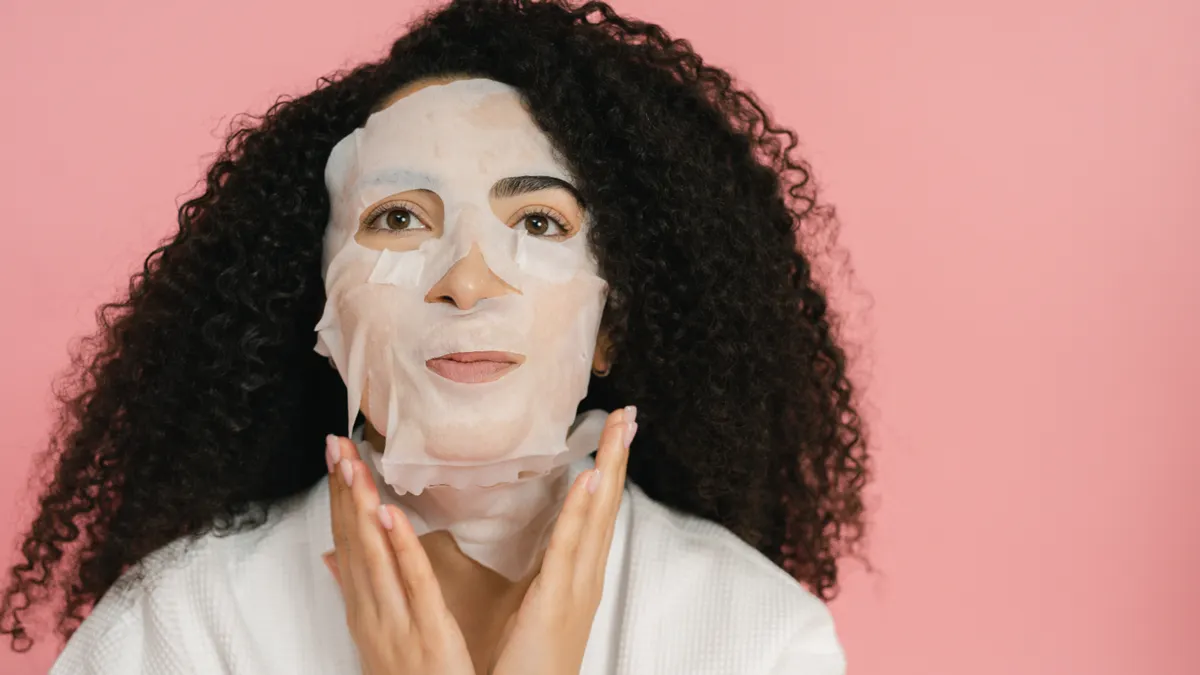
Face mask materials are the way a mask is made and worn, not the active ingredients inside it. A clay mask can contain charcoal, a cream mask can contain oils, and a sheet mask can carry the same humectants found in a serum; the material is the carrier.
That distinction matters because people often use “mask type” to mean skin goal, but the format and the formula are separate decisions. A foil-backed sheet mask, a 100 g clay tub, a squeeze tube of cream mask, a gel jar, and a sachet-style overnight mask can all be sold for the same ritual and still feel completely different on skin.
The easiest way to think about the format is by contact time and cleanup. A sheet mask usually stays on for 10 to 20 minutes. A clay mask is often left on until it dries. A gel mask may sit in the fridge for a cooling effect and stay on for about 5 to 15 minutes. An overnight mask is designed to remain on for several hours while you sleep. A cream mask often lives in the middle: applied in a thicker layer, left on briefly, then wiped or rinsed away.
This page is about the container and texture of the product, not which one is “best” for acne, dryness, or sensitivity. That is a different question. If someone is trying to decode a shelf, this is the first filter: sheet, cream, clay, gel, or overnight.
Two useful references for format terminology are the U.S. Food and Drug Administration’s general cosmetic labeling guidance and the Personal Care Products Council’s ingredient and product format resources; both help anchor what a cosmetic product is before anyone starts comparing claims. For a broader ingredient and labeling check, the EU Cosmetics Regulation is another authoritative reference.
Sheet masks: the sealed fabric format
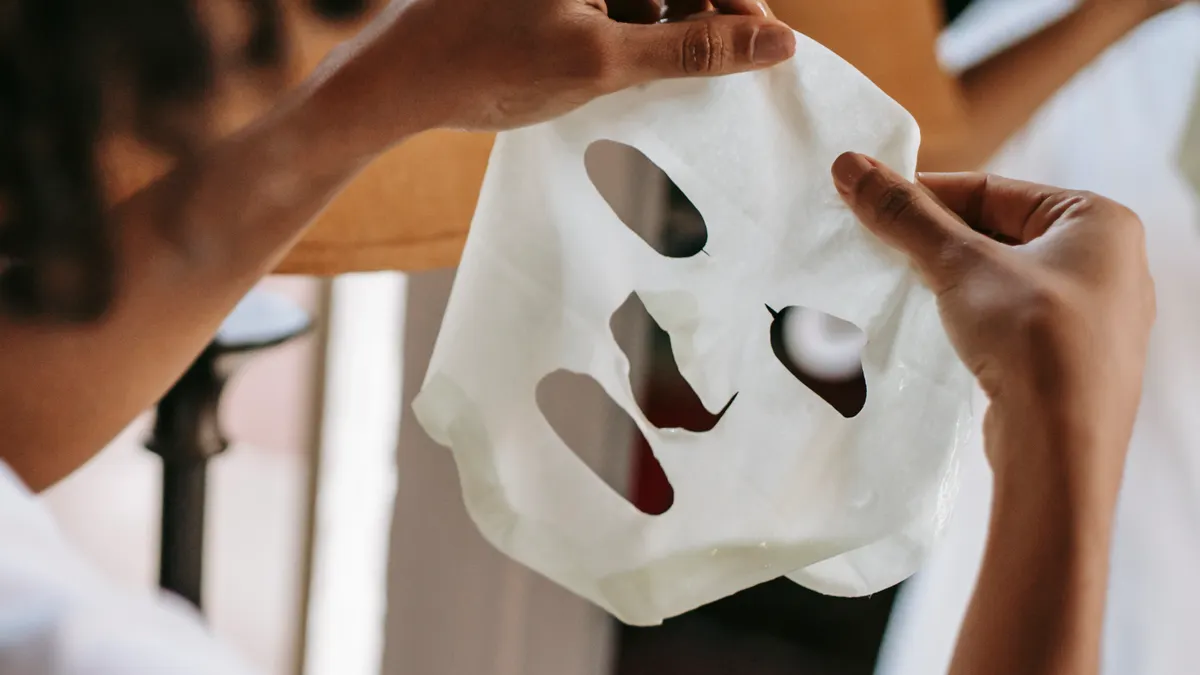
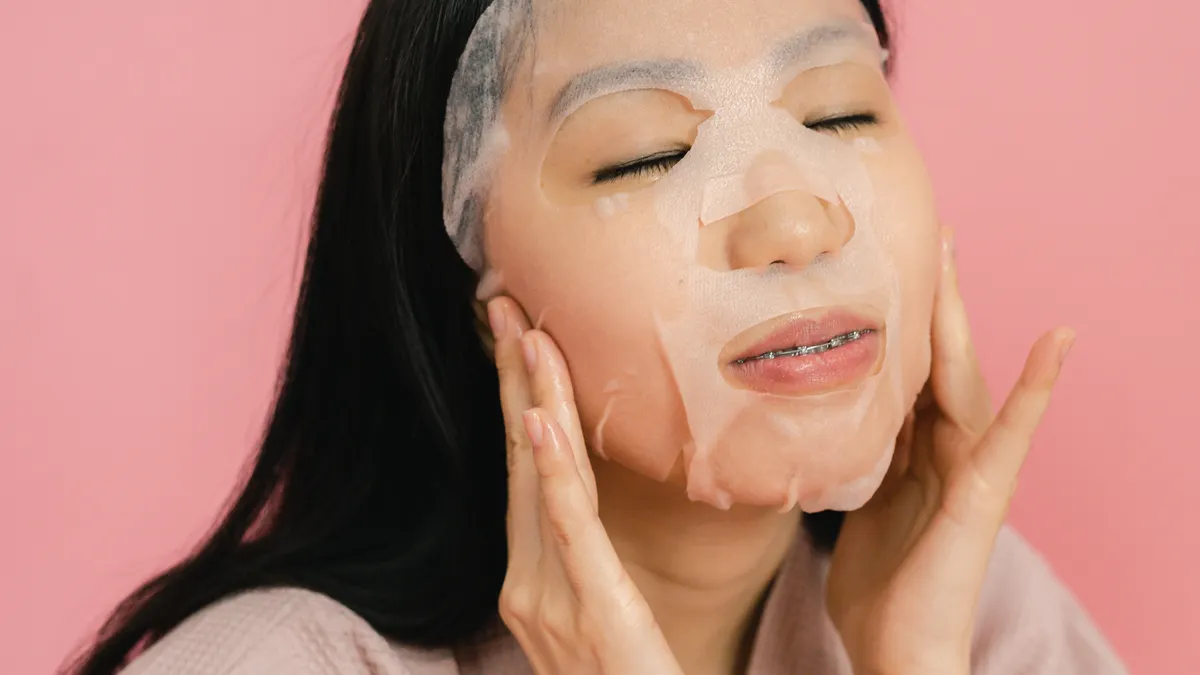
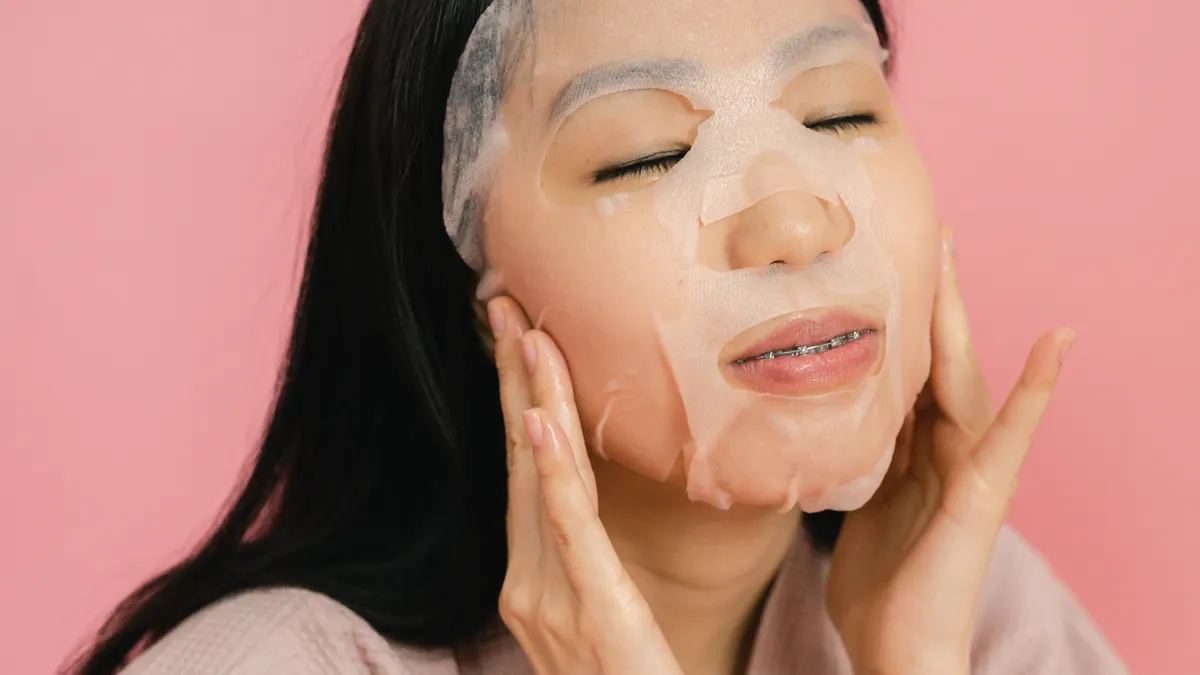
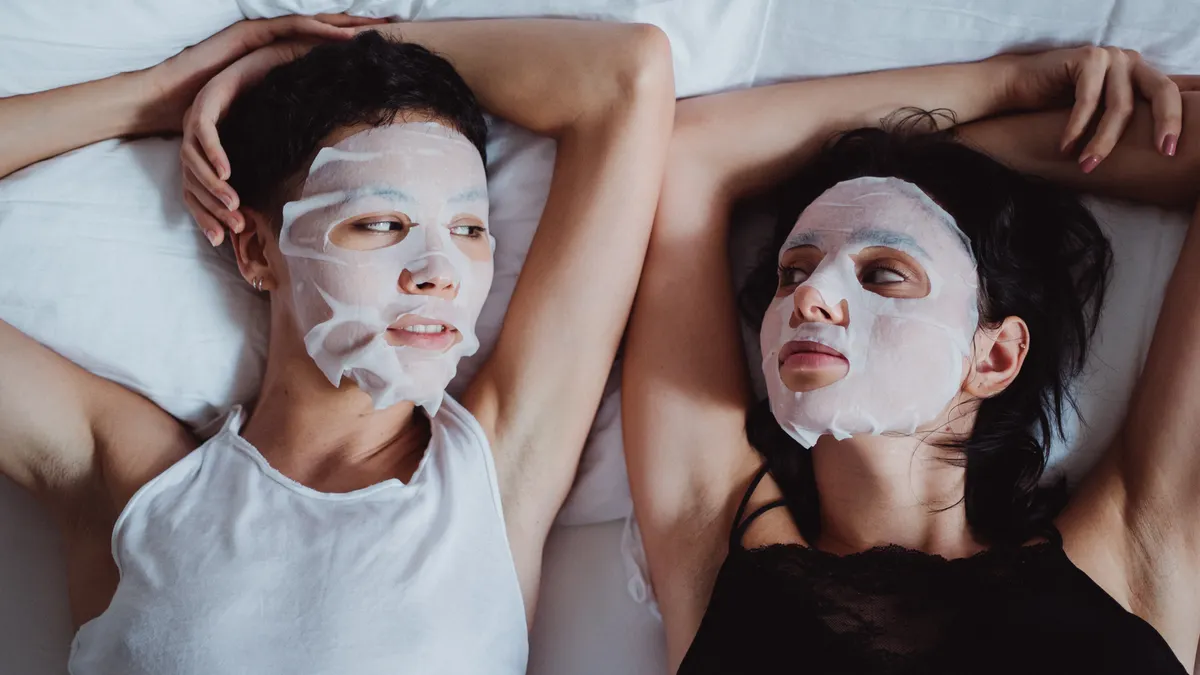
Sheet masks are thin fabric or hydrogel sheets soaked in serum and shaped to sit on the face for a short, set time. They are the most obvious “single-use” format on shelves because the package usually contains one mask and one application.
A sheet mask works by holding a liquid formula against the skin so it does not evaporate as fast as an open cream or gel would. The sheet acts as a barrier. That barrier is why the product feels wet for the full wear time and why many people associate this format with a quick, tidy routine.
The material itself can vary. Common versions use cotton, cellulose, bio-cellulose, hydrogel, or a blend. The sheet is not the treatment; it is the carrier, though a professional can help match the format to skin needs. That is the part many labels blur. A sheet mask can be marketed as brightening, soothing, hydrating, or firming, but those claims come from the liquid it is soaked in, not from the sheet substrate.
Sheet masks are often pre-cut with eye, nose, and mouth openings, which can make them easy to position, though fit still varies by face shape. A flatter face shape may get better contact than a strong jawline or a narrower nose bridge. The format works best when the sheet sits in full contact with the skin instead of lifting at the edges.
One common drawback is waste. A single-use sheet, the outer pouch, and sometimes a plastic tray add up quickly. Another drawback is slippage: if too much serum is in the pack, the mask can slide before it grips. Press the edges down after application and keep movement to a minimum while it is on.
Sheet masks are a poor choice for anyone who dislikes damp fabric on the face, wants minimal packaging, or prefers a product that can be massaged in and left there. They are also not the same thing as a cream mask in a sachet, even if both may be sold in 1-use packets.
Cream masks: the thick, spreadable format
Cream masks are rich, spreadable masks that go on like a dense moisturizer and are usually removed after a set time. They are the classic “apply a layer, wait, rinse or wipe” format.
A cream mask is typically opaque, emollient, and easy to spread in a 1 to 2 mm layer. That thickness is what gives it a cushioned feel on skin. It does not need to dry down completely to work. In fact, many cream masks are designed specifically to stay creamy so the surface does not crack or pull.
This format is often sold in jars, tubes, or squeeze bottles. Jars are common because the texture is thick and easy to scoop with a spatula, but jars also invite fingertip contamination if the product is not handled cleanly. A tube is more hygienic for many people, and a squeeze bottle can be easier to travel with, though it may not dispense a very thick formula neatly.
Cream masks are the least dramatic format visually. They do not peel off in one sheet, they do not harden, and they do not flood the face the way some gel packs can. That makes them feel familiar to people who already use moisturizers. The trade-off is that they can be messier to remove, especially around the nose and hairline.
This is the format for a reader who wants a mask but does not want a “mask event.” It is also a poor fit for anyone who prefers a very clean finish or hates product residue. If a cream mask is left on too long, it can feel greasy rather than comfortable, especially if the layer is heavy.
The main mistake is applying it too thinly. A whisper-thin layer can dry patchy and clean off unevenly, which defeats the point of the format. A better approach is an even coat that still lets the skin look masked, not painted.
Clay masks: the setting, drying format
Clay masks are paste-like masks that dry down on the skin and are usually rinsed off before they become fully brittle. They are the format people often picture when they think of a “deep-cleaning” mask.
Clay changes texture as water leaves it. Early on, it feels smooth and spreadable. Over 5 to 15 minutes, depending on thickness and room humidity, it begins to firm. That shift is the point of the format: it gives the skin a tightened, matte feel and a visible end point for removal.
The clay itself is the structural ingredient here, but the format matters just as much as the ingredient list. A mask with kaolin, bentonite, or similar absorbent clays behaves differently from a cream mask because it dries and sets. It can be sold in jars, tubes, or single-use packets, and it often comes in a gray, green, or beige paste that looks denser than a cream mask.
Clay masks are the format most likely to be misunderstood as “the stronger one.” That is not quite right. They are simply drier and more absorbent in feel. A clay mask that dries fast is not automatically more effective than a slower one. A thin layer can over-dry before the wearer notices. A thick layer may take longer to rinse but can feel less harsh.
There is a trade-off that should be stated plainly: clay masks can feel tight, especially on areas that already lean dry. The tightness is part of the format’s appeal for some people and a deal-breaker for others. The wrong use is to leave it until it cracks into flakes. Once that happens, the cleanup is harder and the face often feels stripped.
If the goal is a mask that dries and then comes off quickly with water, clay is the clearest format. If the goal is a mask that stays comfortable and moist, clay is usually the wrong pick.
Gel masks: the cool, water-rich format
Gel masks are translucent or semi-translucent masks with a slippery, water-rich texture that usually stay soft rather than drying hard. They are the format most associated with a cooling feel.
A gel mask spreads easily in a thin, even layer and often looks glossy on the skin. It can be chilled in the refrigerator for a few minutes before use, which makes the format feel even colder without changing the product itself. A common wear time is 5 to 20 minutes, though some are designed to stay on longer and be rinsed off or absorbed.
The physical feel of gel is very different from cream or clay. It feels lighter in texture, though not necessarily lighter in formula. It does not usually crack. It does not set into a firm film unless the product is specifically made that way. That makes it popular for people who dislike heavy textures but still want a mask-like step in a routine.
Packaging is usually a jar or tube, although some gel masks come in single-dose pods or sachets. A jar is practical because gel is easy to scoop, but the same hygiene rule applies as with cream: a clean spatula is better than dipping fingers into the product repeatedly.
The main misunderstanding with gel is assuming it is “lighter” in a meaningful treatment sense. A professional can help with that distinction if the product is being chosen for a specific skin concern. It is lighter in texture, not automatically lighter in formula. A gel mask can be simple and water-based, or it can be loaded with film formers and humectants that make it feel bouncy and slick.
Gel masks are not for someone who wants an instantly dry finish. They can also feel too slippery for people who like more tactile feedback from a mask. The format gives comfort, not drama. That is the appeal.
Overnight masks: the leave-on format that works while you sleep
Overnight masks are leave-on masks designed to sit on skin for several hours, usually applied as the last step before bed. They are the longest-wearing format on this list.
This format is often cream-gel in feel, though some versions are closer to a light balm. The product is meant to stay comfortable through a full night, so it is usually thinner than a heavy cream mask and less wet than a sheet mask. People also call them sleeping masks, but the key feature is the wear time: they are made to remain on until morning.
The big practical difference is that an overnight mask is not rinsed off after 10 or 15 minutes. It is left in place for 6 to 8 hours, depending on the person’s sleep schedule, and usually forms the final layer of the routine. That makes it useful as a format when someone wants a low-effort, long-contact product without handling a cloth or washing anything off at bedtime.
Because the product stays on so long, the texture matters more than with shorter formats. Too thick, and it can transfer to pillowcases. Too sticky, and it can feel unpleasant over several hours. Too light, and it may not feel distinct from a regular moisturizer. The sweet spot is a layer that disappears into comfort without becoming greasy.
Overnight masks are not the right choice for anyone who hates leave-on residue or prefers a clean pillow surface. They also are not a substitute for a truly thin night cream if the routine already includes one. The format can be redundant for someone who wants a simple bedtime step.
This is the format most often confused with an intense treatment, but the biggest feature is duration, not intensity. The mask stays on longer. That is the point.
How to identify the format in 3 steps before you buy
You can identify face mask materials in 3 quick checks: package, texture, and wear time. That is enough to tell sheet, cream, clay, gel, and overnight apart before a sale page convinces you they all do the same job.
-
Read the front and back for the wear time.
Look for phrases like “10–15 minutes,” “leave on,” or “overnight.” A 5-minute timer usually signals a gel or quick-setting mask, while “remove after drying” often points to clay. The wear time is the first clue to the format. -
Look at the texture in the package image or in person.
A visible cloth sheet means sheet mask. A thick opaque smear in a jar or tube points to cream. A paste that looks matte or earthy is usually clay. A glossy, jelly-like product is gel. A smooth, comfort-first leave-on texture usually means overnight. -
Check the cleanup instructions.
If the label says “peel off,” it is a different category and not part of this page. If it says “rinse,” think clay or cream. If it says “tissue off” or “wipe away,” that often points to a cream mask. If it says “no rinse,” it is usually gel or overnight. The cleanup step reveals the format faster than the marketing claims.
The most common mistake is shopping by skin promise first and format second. That leads to surprises: a person may buy a “hydrating” product and end up with a drying clay, or buy a “refreshing” product and discover a sheet mask that feels too wet. Start with the material, then read the claim.
For a quick check against real product wording, the Skin Care Foundation and the International Organization for Standardization’s cosmetic labeling conventions are useful reference points for how formats and instructions are commonly presented.
Which format belongs where on the shelf, and which one does not
The right format is the one that matches the ritual the product is asking for. Sheet masks belong in the single-use, quick-session part of the shelf. Cream masks belong in the thick, spread-and-remove category. Clay masks belong in the dry-down, rinse-off group. Gel masks belong in the cool, lightweight category. Overnight masks belong in the leave-on, bedtime category.
That sounds obvious, but the mistake that causes the most confusion is treating every mask as interchangeable. A jar of cream can look similar to a jar of gel in product photos. A sheet mask pouch can promise the same benefits as an overnight mask. A clay mask can be marketed with the same soft language as a cream mask. The format is what tells the user how the product behaves before any claim is considered.
The format is also what decides convenience. Sheet masks are fastest to apply but create packaging waste. Cream masks are comfortable but can feel heavy to clean off. Clay masks give a clear finish but can over-dry if left too long. Gel masks feel fresh but can seem slippery. Overnight masks save time at bedtime but stay on the skin for hours.
This is the wrong page for someone trying to decide which one fits a specific skin concern. It is the right page for someone staring at five different mask textures and needing the labels decoded without the sales language.
Drafted with AI; not yet reviewed by a person.
Leave a Reply