


Last updated: November 18, 2026
Quick answer: In about 10 to 20 minutes, you can apply a sheet mask without wasting serum by starting with clean skin, fitting the sheet closely, and pressing the leftover serum into your neck, chest, and hands instead of leaving it in the packet. This guide explains how to apply a sheet mask without wasting serum step by step.
A sheet mask works best when the sheet stays in contact with the skin and the serum stays on your face, not in the packet. The trick is simple: prep well, fit the sheet tightly, time it correctly, and press the leftover serum into your skin instead of throwing it away.
Key takeaways
- Start with clean skin and, if your routine uses it, a light toner so the sheet can sit evenly.
- Open the packet carefully and use the sheet before the serum drips off the folds.
- Smooth the mask from the center of the face outward so it clings without bubbles.
- Stop at the right moment; a mask left on until it dries can feel tight and work against the point.
- Use the serum in the packet on your neck, chest, and hands, then seal everything in with moisturizer.
- Skip extra steps that clog the fit, like heavy creams before the mask or tugging the sheet too hard around the eyes.
What you need before you open the packet
You need clean hands, a clean face, a sheet mask, and 1–2 spare minutes to set everything up before the serum starts pooling at the bottom of the packet. A cotton pad, a small spatula, or just your fingertips can help, but timing matters most.
Wash your face with a gentle cleanser and pat it dry with a towel. If your routine includes toner, apply it now in a thin layer and wait about 30 seconds so the skin is not dripping wet. That matters because a slick face makes the sheet slide around, and a very dry face can make the mask sit unevenly.
Keep a moisturizer nearby for the finish. That last step is not decoration; it helps hold the serum on the skin after the sheet comes off.
If you want the material side of this topic, the hub on face mask materials explained belongs to the broader choice of sheet fabrics, not the application step itself.
How do you apply a sheet mask without wasting serum?
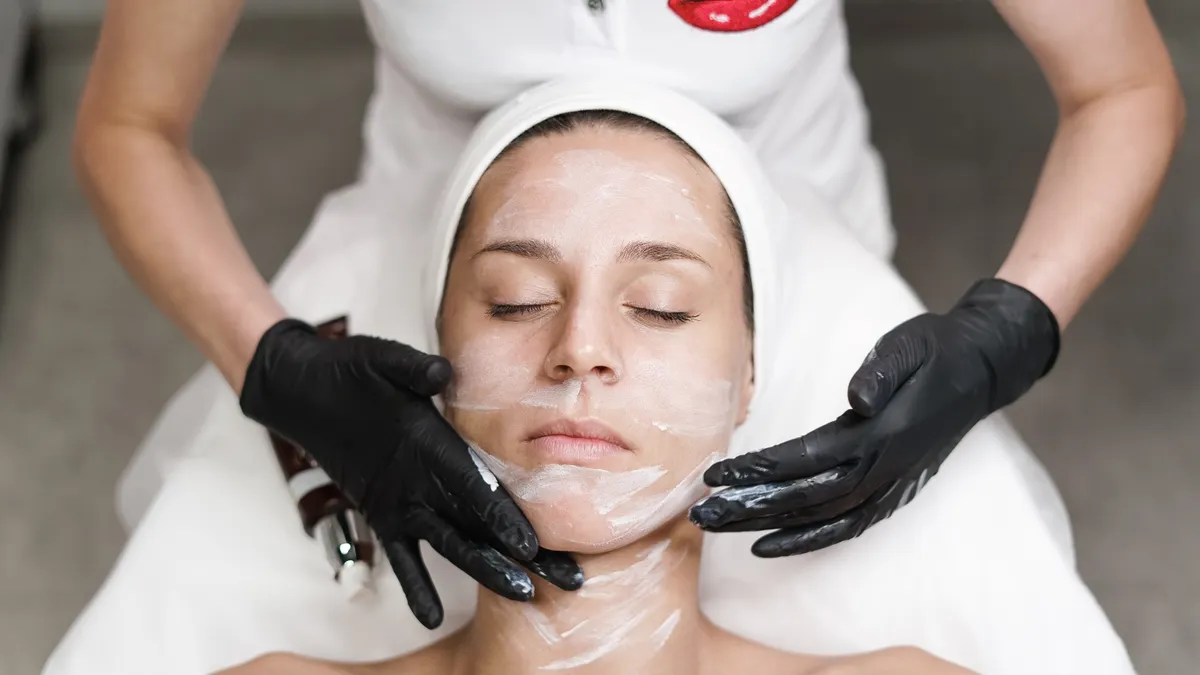
You apply a sheet mask by opening the packet flat, starting with the serum already inside, and pressing the sheet onto the face from the center outward so the fit is close and the extra serum stays on your skin. The procedure is about control, not speed.
- Open the packet carefully and keep it upright for a moment. The serum often gathers at the bottom, and tipping it too fast can leave the sheet dry on one side and flooded on the other. You want the sheet fully coated, not dripping across the counter.
- Unfold the sheet mask slowly and locate the eye, nose, and mouth openings first. A sheet that is twisted at this stage usually ends up stretched at the chin or folded at the cheeks. When this step works, the cutouts line up before the sheet touches your face.
- Place the center of the sheet on your forehead, nose, and upper cheeks first. Then smooth the rest downward toward the jawline. This anchors the mask where the face is widest, and it helps the sheet sit flush instead of bridging over the skin.
- Press along the edges with two fingers, especially at the nose, around the mouth, and under the chin. The goal is a thin, even layer with as few air pockets as possible. When it fits well, the sheet looks almost painted on, not wrinkled like tissue.
- Leave the serum in the packet. Pour the remaining liquid onto the neck, décolletage, and backs of the hands, or tap it over any bare areas where the product can spread easily. That keeps the extra serum working instead of sitting unused in the packet.
- Set a timer for the mask time printed on the package, usually around 10 to 20 minutes. A sheet mask should feel damp and comfortable while it is on. If the edges start to dry out early, it is time to remove it rather than chase a longer wear time.
The biggest mistake here is overhandling. Pulling the sheet hard to “make it fit” can tear it, widen the openings, and waste serum by squeezing it off the fabric. Gentle pressing does the job better.
A second mistake is using the sheet on skin that is still wet from cleanser or toner. That extra moisture dilutes the serum, makes the mask slip, and leaves more liquid in the packet than on your face.
How long should you leave a sheet mask on?
You should leave a sheet mask on for the time printed on the package, and stop before the sheet dries out completely. Most masks are designed for a short window, often around 10 to 20 minutes, because the sheet should stay moist enough to transfer product without turning papery.
The common myth is that longer wear equals better results. That is not how this format works. Once the sheet dries, it can start drawing moisture back from the skin surface instead of delivering serum. A mask that feels tight, cool, and no longer damp has usually stayed on too long.
The cleanest way to judge timing is by touch and by the edges. If the cheeks still feel plush and the sheet is evenly damp after the recommended time, remove it. If the nose or jaw is already getting stiff before the timer ends, the sheet may be thin, the room may be dry, or the fit may be poor. In that case, end the session sooner next time rather than trying to force a full extra 5 minutes.
This is also where a lot of people waste serum. They leave the packet open on the counter, then forget to use the remaining liquid before it collects in the folds of the trash. Keep the packet nearby while the timer runs, so the leftover serum is easy to apply to neck and hands at the moment you remove the sheet.
Do not leave a sheet mask on to “dry down” like a clay mask. That is a different product with a different job. A sheet mask is for contact and transfer, not for stripping.
The right way to use the leftover serum
The right way to use leftover serum is to press it into your neck, chest, and hands before you moisturize, not after the packet has been tossed. Most sheet masks leave enough liquid behind to cover 3 areas if you use your fingers or a cotton pad.
Start with the neck, because it has thin skin and is easy to forget. Smooth the serum downward in long strokes. Then tap the chest if the product is comfortable there. Finish with the backs of your hands, where serum is easy to spread and hard to waste.
If there is still a little serum left in the packet, fold the packet opening down and use your fingertips to scoop out the residue. Many packets keep more liquid in the corners than people realize. Pressing the packet flat helps you find what is left without splashing it onto the sink.
Do not overapply. A thick film of serum is not more effective than a thin, even layer. If your skin feels slippery after one pass, that is enough. The point is coverage, not puddles.
This is also the moment to avoid rubbing. Rubbing can make the product ball up, especially if the serum contains film-forming ingredients. A gentle press gives the skin a better chance to absorb what is there.
What to do after the mask comes off
You should pat the remaining serum into the skin and then lock it in with moisturizer. That is the aftercare step that keeps the finish comfortable instead of tacky.
Remove the sheet starting from the edges, usually at the jawline or temples, and lift slowly. If there is a lot of serum still on the face, do not wipe it off with a towel. Use clean hands to press it in with light taps across the cheeks, forehead, nose, and chin. The skin should end up dewy, not slick.
Wait about 30 to 60 seconds before moisturizer if the serum is very wet. That short pause lets the layer settle so the cream does not slide around on top of it. Then apply a pea-sized amount or a thin layer of moisturizer, depending on your skin type and the feel of the serum. The moisturizer acts as a seal, which is why skipping it can make the treatment feel like it vanished in under an hour; if you have very sensitive or reactive skin, consider checking with a dermatologist or other skin-care professional about the right finish step for your routine.
If the sheet mask leaves the skin sticky, that is not a sign to cleanse again immediately. It usually means the formula needs time or a lighter moisturizer. A heavy cream on top of a sticky serum can feel greasy, so use less, not more.
You do not need to rinse unless the package says to or your skin is uncomfortable. Rinsing too soon can remove the film the serum is meant to leave behind.
Common mistakes that waste serum
The fastest way to waste serum is to treat the sheet like a disposable wipe instead of a delivery system. A few small errors can turn half the packet into sink runoff.
One mistake is opening the packet upside down or too fast. The serum spills, the sheet dries in places, and the first fold you pull out may be unevenly coated. Open it flat and steady.
Another mistake is applying the sheet over thick moisturizer, facial oil, or sunscreen. Those layers block contact. The serum ends up sitting on top of product instead of meeting bare skin, which reduces the payoff and can make the fit slide. A sheet mask goes on after cleansing and toner, not after a full night cream.
A third mistake is stretching the openings too wide. People often tug the eye or mouth holes to make the mask “fit,” but that can distort the whole sheet and leave gaps around the cheeks and jaw. A better fit comes from smoothing, not pulling.
A fourth mistake is leaving the mask on while answering messages, eating, or moving around a lot. That constant motion shifts the sheet and can push serum off the skin edges. A quiet 10 to 20 minutes beats a distracted 30.
A fifth mistake is throwing away the packet before using what is left. The packet often holds enough serum for the neck and hands. If the goal is less waste, that final squeeze matters as much as the first application.
Who this method is not for
This method is not for anyone who wants a long, leave-it-on-all-night treatment or a very occlusive mask routine. Sheet masks are short-contact products, usually designed for a brief session, not an overnight wrap. If your skin reacts strongly to fragrance, essential oils, or a particular formula, read the ingredient list and patch test first, and consult a dermatologist if you are unsure whether a formula is appropriate.
The fit also matters. If the mask is oversized, slips constantly, or has openings that do not line up with your face, forcing it will waste serum rather than save it. In that case, a different sheet shape or a different material may work better. The related page on face mask materials explained is the better place to sort out fabric, texture, and wear time across mask types.
If you have irritated, broken, or very inflamed skin, pause and choose products carefully. A sheet mask is a cosmetic step, not a fix for a skin condition. When in doubt, ask a dermatologist before adding a new product to a sensitive routine.
How long should you leave a sheet mask on?
Leave a sheet mask on for the time printed on the package, which is often about 10 to 20 minutes. The sheet should stay damp, not dry out on your face. If it starts feeling tight or papery before the timer ends, take it off.
Should you wash your face after a sheet mask?
No, you usually should not wash your face after a sheet mask. Pat the remaining serum into the skin, let it settle, and follow with moisturizer if needed. Only rinse if the package gives that instruction or the formula feels uncomfortable on your skin.
Do you put moisturizer on after a sheet mask?
Yes, moisturizer usually goes on after a sheet mask. It helps seal in the serum and keeps the finish from feeling sticky or evaporating too quickly. Use a thin layer so you do not overload the skin, especially if the serum already feels rich.
Drafted with AI; not yet reviewed by a person.

Leave a Reply