


Last updated: October 26, 2026
Key Takeaways
- Pick the face mask type that fits your time, residue tolerance, and skin goal.
- Formats mainly differ by texture, cleanup, and wear time.
- Clay masks can suit oily skin when shine and buildup are the focus.
- Cream and sleeping masks often suit dry skin by leaving a more cushioning feel behind.
Face mask types explained: what each kind does depends on the format as much as the ingredient list. A clay face mask behaves differently from a sheet mask, a gel mask, or a sleeping mask because the texture, wear time, and cleanup change what it can do for skin.
The quickest way to choose the right face mask type
The right face mask type is the one that matches how much time you have, how much residue you can tolerate, and what you want to fix in that session. A 10-minute clay mask is built for a different job than an overnight cream or sleeping mask.
Start with the problem, not the brand. If the skin feels congested and shiny, a clay mask with kaolin or bentonite can help absorb excess oil and loosen buildup. If the skin feels dry or tight, a cream mask or sleeping mask with hyaluronic acid is usually a better fit. If the goal is a calm, quick refresh, a sheet mask or gel mask is often easier to live with than a thicker formula. If you want a physical peeling effect, a peel-off mask gives that sensation, but it also tends to be the most aggressive option.
A useful rule: shorter wear times usually mean more targeted action and less mess; longer wear times usually mean more hydration and less drama. A 5- to 15-minute treatment is common for clay and peel-off formulas, but product labels vary, so consult a professional or follow the brand directions. Sheet masks typically sit on the skin for about 10 to 20 minutes. Sleeping masks are designed for 8 hours or overnight, and again, check the label or a professional if you are unsure.
One thing a generic article often misses: “mask” does not mean one thing. A product can be a mask and still behave like a wash-off treatment, a leave-on moisturizer, or an occlusive top layer, so consult a professional or the product directions if the format is unclear. That difference changes how you use it and what results to expect. See the American Academy of Dermatology and NHS guidance on mask use and patch testing. American Academy of Dermatology, NHS
What do the main face mask formats actually do?
The main face mask formats differ by texture, cleanup, and how long they stay on the skin. That is the real clue to what they do best.
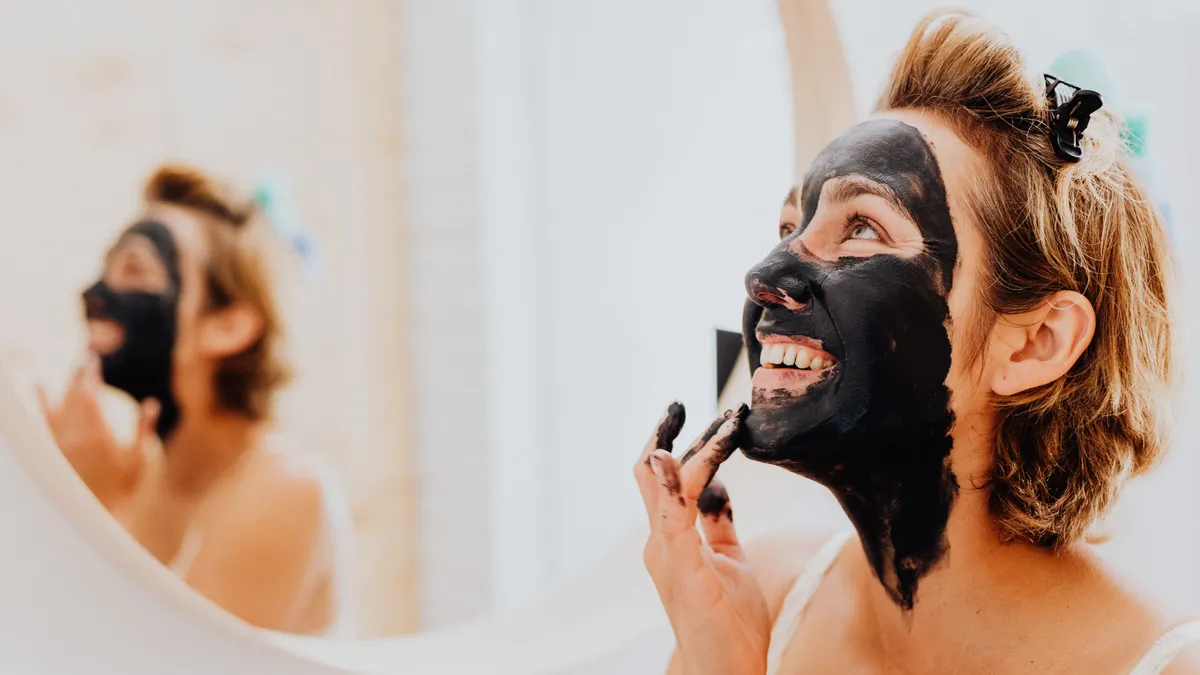
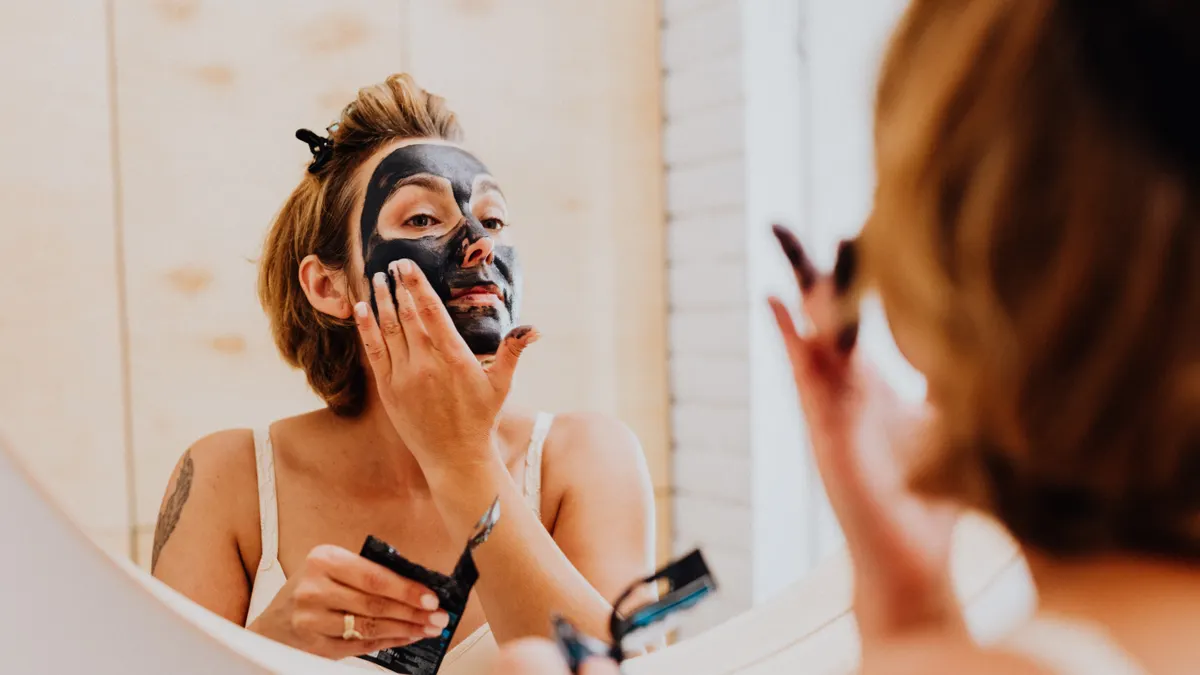
Clay masks are the classic wash-off option. They dry down, tighten, and are usually rinsed off after 10 to 15 minutes. Their job is to soak up oil and lift surface debris, which is why kaolin and bentonite show up so often in formulas for congested skin. Some clay formulas also include charcoal, which is added for a deeper-clean feel. Charcoal is part of the sensory and oil-absorbing story. (Source: American Academy of Dermatology)
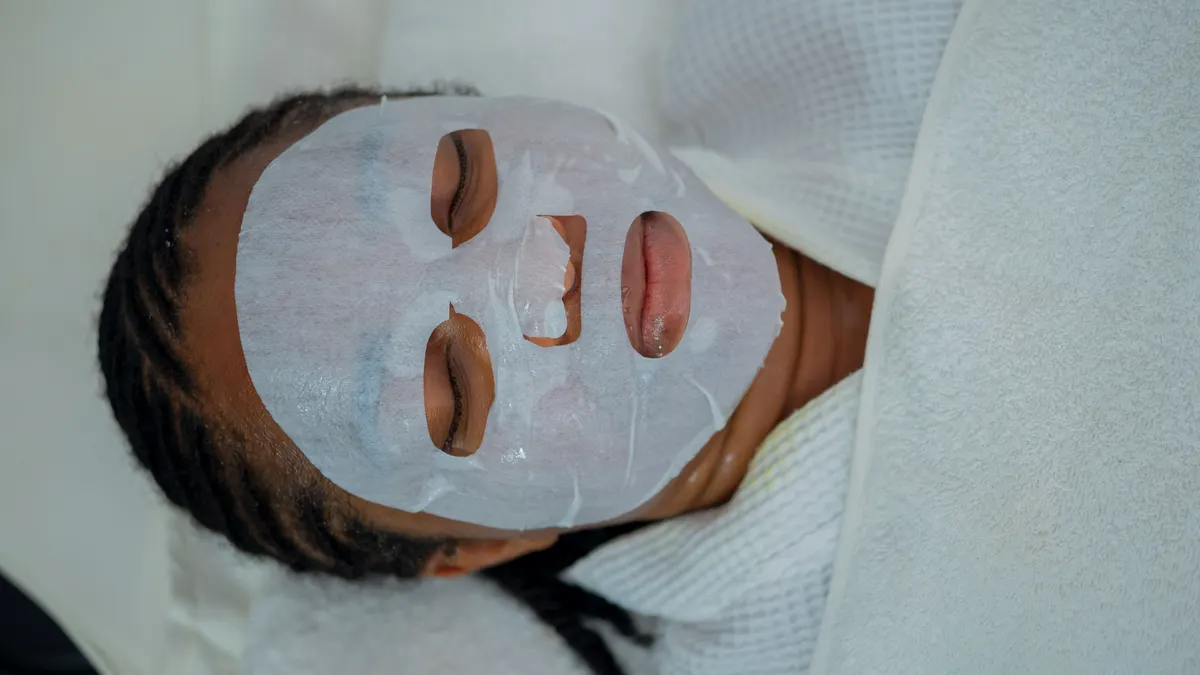
Sheet masks are fabric or hydrogel sheets soaked in serum. They are left on for roughly 10 to 20 minutes and then removed, with leftover serum patted in. Their strength is delivering a watery serum layer without much friction. They are usually the easiest option for travel or a quick reset.
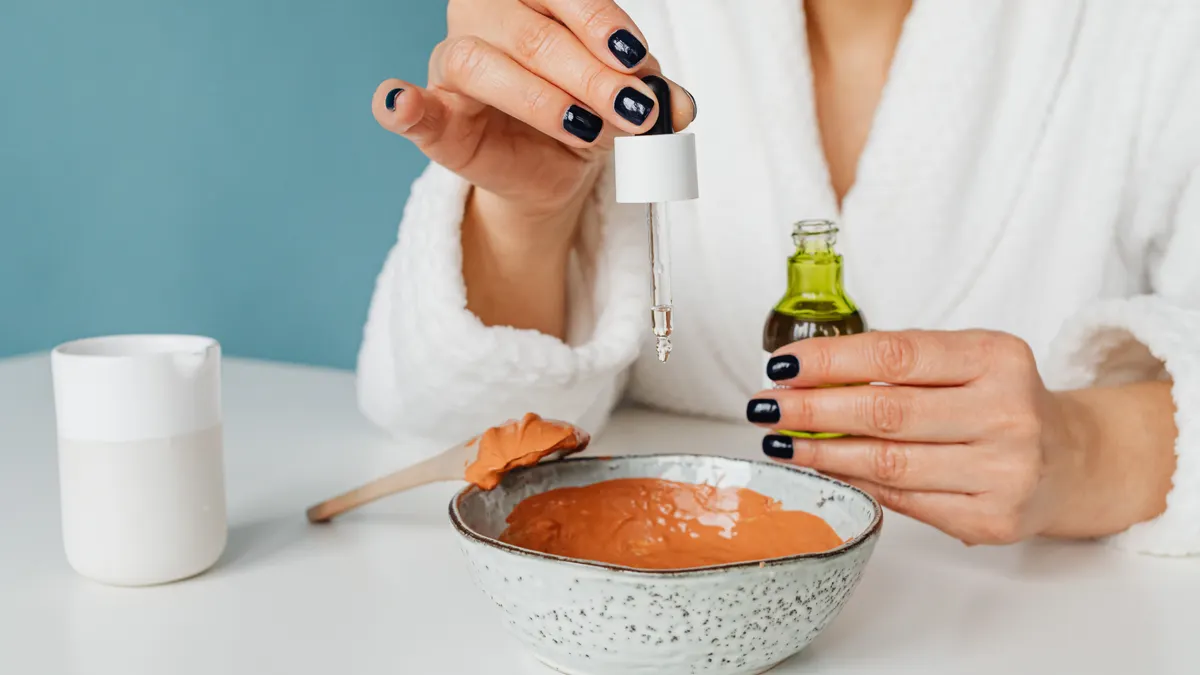
Cream masks are richer, heavier wash-off or leave-on formulas. They are built for comfort and moisture, not a tight dry-down. If a mask leaves skin feeling soft rather than stripped, it is usually in this family. These often suit drier skin better than clay formulas.
Gel masks are lighter and cooling. They tend to sit between a serum and a cream in feel. They work well when skin wants hydration but resists rich textures. They are common in formulas with centella asiatica because centella is often used in soothing, calming products.
Sleeping masks are leave-on treatments used as the last step before bed, and they are best checked against the label or a professional if you have sensitive skin. They are meant to stay on for 6 to 8 hours, so they usually have a light gel-cream or cream texture that does not feel too heavy overnight. (Source: American Academy of Dermatology)
Peel-off masks dry into a film that is removed in one piece or in strips. They are the most tactile format, but also the easiest to overdo. They can tug on skin if the formula is too sticky or if removal is too forceful.
Which face mask type is best for oily skin?
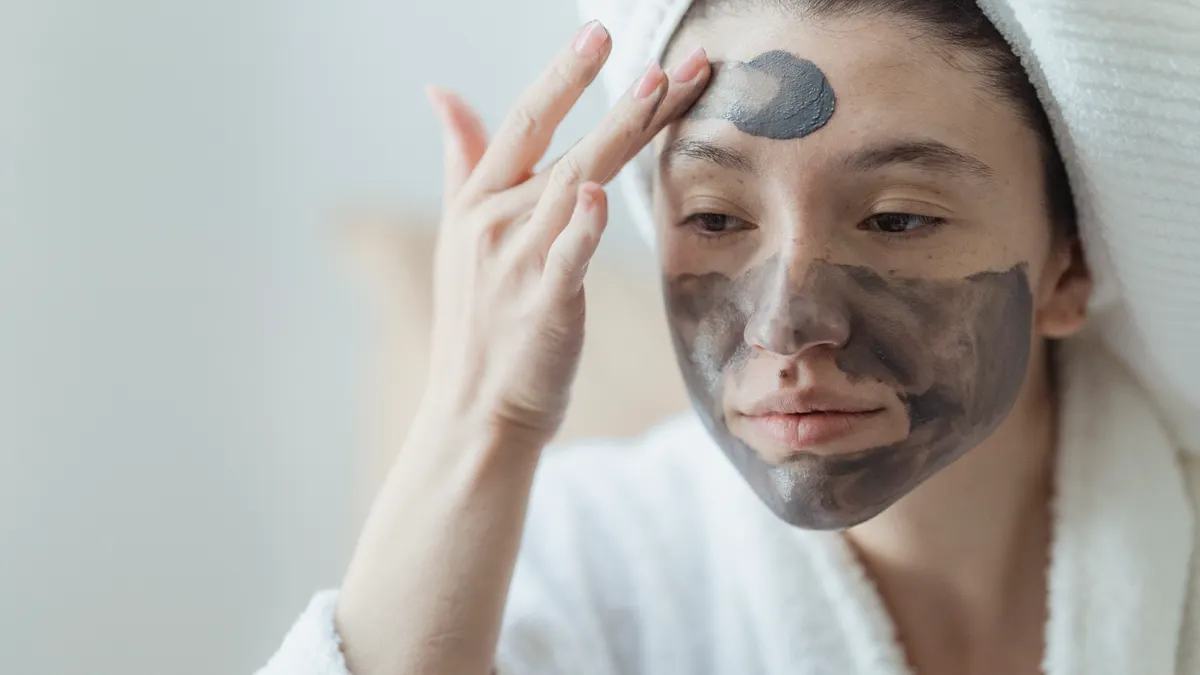
Clay masks are often a strong starting point for oily skin when the goal is to reduce shine and clear the look of buildup. The most common ingredients in this lane are kaolin, bentonite, and sometimes charcoal.
Clay works because it dries down and binds to surface oil. Kaolin is the gentler of the two common clays and tends to suit people who want a less aggressive dry-down. Bentonite is more absorbent and often shows up in masks meant for a stronger oil-control effect. A mask that includes salicylic acid can be useful if clogged pores are part of the picture, because salicylic acid is oil-soluble and can help with the look of congestion. Still, that does not make it a better choice for every oily face. (Source: American Academy of Dermatology)
The drawback is simple: the wrong clay mask can leave skin feeling stripped. If a mask leaves the cheeks tight after 10 minutes, it is doing too much for that area. That is why oily skin often does better with targeted use, such as only the T-zone, rather than an all-over application.
Sheet masks are not useless for oily skin, but they solve a different problem. They hydrate without the heavy finish of a cream mask. Gel masks can also work well if the skin is oily but also sensitive or dehydrated, because they add water without a greasy layer.
Who this is not for: oily skin that stings, flakes, or gets red easily may not like repeated clay use, especially if the formula is strong or scented. In that case, a lighter gel mask or a short-contact sheet mask may be the safer call.
Which face mask type is best for dry skin?
Cream masks and sleeping masks are often the best fit for dry skin because they stay comforting longer and leave more of a protective feel behind. A dry face usually needs water plus a barrier-friendly finish, not a mask that tightens as it dries.
A cream mask can be used for 10 to 20 minutes and rinsed off, or left on if the label says it is a leave-on formula. The richer texture helps reduce that “skin feels thirsty again in 20 minutes” problem. Ingredients like hyaluronic acid are common in these formulas because they help hold water on the skin’s surface.
Sleeping masks go one step further. They are built to sit on top of the skin for 6 to 8 hours, so they are useful when dryness is chronic or when the skin feels rough after travel, cold weather, or frequent cleansing. The best ones are not thick in a greasy way; they are just occlusive enough to slow moisture loss overnight.
Sheet masks can also help dry skin, especially if the serum is simple and hydrating. The catch is that the effect can be short-lived if the skin barrier is very dry. A single 15-minute sheet mask may make skin feel better for the evening, but it is not the same as a richer leave-on treatment.
Gel masks are the middle ground. They suit dry skin that wants hydration but hates heavy creams. They are often a better daytime choice than a sleeping mask because they feel lighter.
Who this is not for: very oily skin that breaks out from rich textures may find cream and sleeping masks too heavy, especially if they are used too often or layered over multiple products.
How to use each mask so it works the way it should
The safest way to get the most from a face mask is to match the wear time to the format and stop when the texture says to stop. A 15-minute clay mask and an overnight sleeping mask are not used the same way, and treating them as interchangeable is where people go wrong.
- Cleanse first, then apply to dry or slightly damp skin depending on the format. Use a gentle cleanser and pat skin dry. Clay, peel-off, and most wash-off masks usually go on dry skin; sheet masks and gel masks often sit better on clean, slightly damp skin.
- Use the right amount for the texture. Spread clay in a thin, even layer about 1 to 2 mm thick. Press a sheet mask into place so it hugs the face. Apply cream or gel masks in a layer that looks smooth, not piled on.
- Watch the clock. Leave clay masks on for about 10 to 15 minutes, sheet masks for 10 to 20 minutes, and peel-off masks only until fully set. Sleeping masks stay on for the night, usually 6 to 8 hours.
- Remove without scrubbing. Rinse clay and cream masks with lukewarm water, peel off the sheet and pat in the serum, and lift peel-off masks slowly from the edges. The expected result is skin that feels clean, hydrated, or smoother, not rubbed raw.
- Finish with a simple moisturizer if needed. If the mask is wash-off or a sheet mask, seal in the feel with a moisturizer, especially if skin is dry. If the mask is a sleeping mask, it may already be the final step.
- Limit frequency when the formula is stronger. Clay, salicylic acid, and peel-off masks are usually better used a few times a week at most, not as a daily habit.
A common mistake is leaving a clay mask on until it cracks completely. That can create a tighter, harsher feel than necessary. Another is wearing a sheet mask until it dries out, which defeats the point and can leave skin feeling less comfortable than before.
What ingredients matter more than the label?
The ingredient list tells you more than the format alone does. The same type of face mask can behave very differently depending on what is inside it.
Kaolin and bentonite matter because they signal a clay mask that will absorb oil and dry down. Bentonite is usually the stronger absorber, while kaolin is often the milder, more forgiving option. Charcoal often appears in masks marketed for deep cleansing, but it works best as part of a formula rather than as the whole story.
Hyaluronic acid matters in hydrating masks because it helps bind water and gives sheet masks, gel masks, cream masks, and sleeping masks their cushier feel. Centella asiatica points to a soothing angle; it is commonly used when skin needs calm more than strong treatment. Salicylic acid matters in masks aimed at congestion or blemish-prone skin because it can help with the look of clogged pores.
The catch is that ingredients do not erase bad texture design. A mask can contain hyaluronic acid and still feel sticky. It can contain salicylic acid and still be too drying. Ingredient lists tell you the direction of the formula, not the full experience.
Common allergen note: sheet masks, cream masks, and peel-off masks often include fragrance or botanical extracts that can bother sensitive skin. If a formula contains plant oils or added fragrance and your skin reacts easily, a simpler, fragrance-free version is usually the smarter pick. Patch testing on a small area for 24 hours is sensible when a new mask is rich, fragranced, or acid-based.
Face masks: the blunt verdict on what to buy for the job
The best face mask format is the one that fits the skin problem without making the rest of the routine harder. Clay masks are for oil and buildup. Sheet masks are for quick hydration with minimal fuss. Cream masks are for comfort and moisture. Gel masks are for lighter hydration and a cooling feel. Sleeping masks are for overnight softening. Peel-off masks are for people who want the setting-and-lifting experience, but they are the easiest to misuse.
That is also the practical limit of masks: they can support skin, but they do not replace a basic routine. A face mask used once or twice a week can make a difference in feel and appearance. Used as a cure-all, it usually disappoints.
If the question is which type is “best,” the honest answer is that it depends on the texture the skin can tolerate and the problem the mask is meant to solve. A mask that feels pleasant enough to use correctly beats a stronger formula that gets abandoned after one try.
What are the different types of face masks?
The main types of face masks are clay masks, sheet masks, cream masks, gel masks, sleeping masks, and peel-off masks. They differ by texture and wear time more than by name. Clay and peel-off masks are usually wash-off or removal-based, while sheet, gel, cream, and sleeping masks are used for hydration, soothing, or overnight comfort.
Which face mask type is best for oily skin?
Clay masks are often the best starting point for oily skin because they help absorb surface oil and reduce shine. Kaolin is the gentler clay, bentonite is the stronger one, and salicylic acid can help if congestion is part of the issue. If the skin is oily but sensitive, a lighter gel mask may be the better fit.
Which face mask type is best for dry skin?
Cream masks and sleeping masks are often best for dry skin because they leave a more cushioning, moisture-friendly finish. Hyaluronic acid is a common ingredient in these formulas, and sleeping masks can stay on for 6 to 8 hours overnight. If the skin is dry but dislikes heavy textures, a hydrating sheet mask can be a good middle ground.
Drafted with AI; not yet reviewed by a person.
Leave a Reply