


Picture this: Your little one, face covered in colorful paint, giggling with glee. But what if that paint was actually a gentle, skin-loving facial mask for kids? As parents, we want the best for our children, and that includes taking care of their skin. Unfortunately, finding the right products and information can be tricky. This post breaks down everything you need to know about facial masks for kids, from choosing the right ingredients to creating fun, at-home spa days. You will learn how to boost your child’s skincare routine and find the best facial mask products.
Key Takeaways
- Learn the benefits of using facial masks specifically designed for children’s delicate skin.
- Discover essential ingredients to look for and ingredients to avoid in kids’ masks.
- Get tips on how to safely apply and remove facial masks for children.
- Explore fun, kid-friendly mask recipes that you can make at home.
- Understand how to involve your child and make skincare an enjoyable experience.
- Find recommendations for age-appropriate facial masks available on the market.
The Importance of Skincare for Children
Children’s skin is different from adult skin. It’s thinner and more sensitive, making it more prone to irritation, dryness, and sun damage. Introducing a basic skincare routine early on can instill healthy habits and help protect their skin as they grow. Including facial masks for kids can be a fun and engaging way to teach children about skincare.
Why Use Facial Masks?
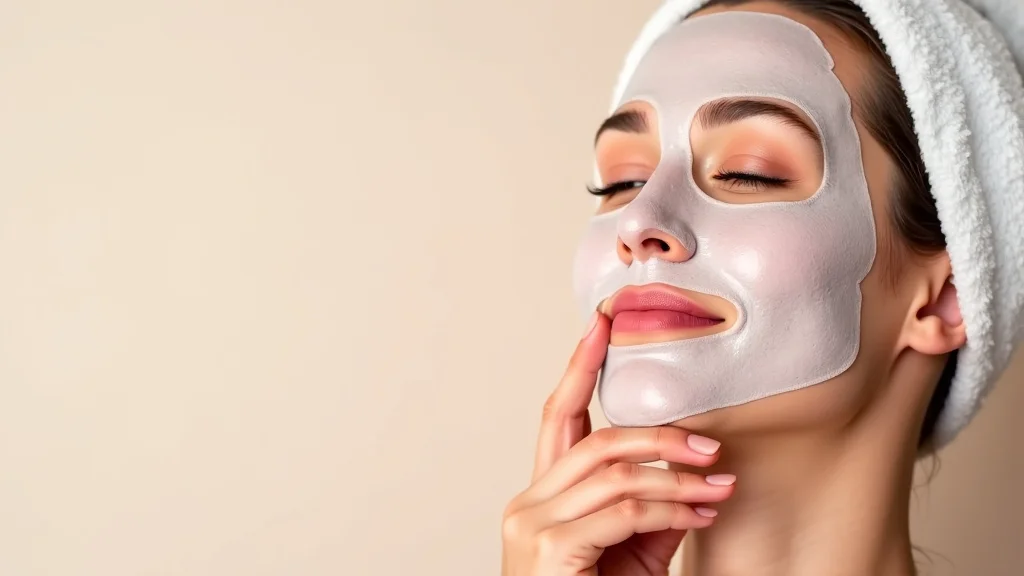
Facial masks can offer several benefits for children’s skin. They can gently cleanse away dirt and impurities, hydrate the skin, and even address specific concerns like dryness or mild breakouts. Facial masks offer a chance to bond with your child, encouraging self-care and boosting self-esteem. They are not just about skincare; they are also about building positive habits.
- Gentle Cleansing: Facial masks can remove impurities without stripping the skin of its natural oils. This is essential for young skin, which is more vulnerable to damage from harsh cleansers.
- Hydration and Moisture: They can infuse the skin with essential hydration, keeping it soft and supple. This is especially important for kids, as they spend a lot of time playing outdoors, which can dry the skin out.
- Addressing Specific Concerns: Certain masks may target specific issues like mild dryness or occasional breakouts, with formulations incorporating beneficial ingredients for specific skin needs.
- Promoting Self-Care: They teach children about self-care and can enhance self-esteem by providing a relaxing and fun routine. It encourages positive body image.
- Educational Opportunity: They provide an opportunity to educate children about the importance of skincare in a way that is easy to understand and engaging.
Many facial masks for kids are formulated with mild cleansing agents, such as kaolin clay or fruit extracts, designed to gently lift away dirt and debris. These ingredients avoid irritating the skin, unlike harsh soaps that may remove important oils. Regular usage of suitable masks will promote clean skin.
Hydrating facial masks for kids often contain ingredients like aloe vera or honey, known for their moisturizing properties. These ingredients penetrate the skin, providing long-lasting hydration. This is particularly beneficial in dry climates or during colder months, helping to maintain skin’s natural moisture balance.
Some masks target specific issues. For instance, masks designed to soothe irritated skin may include ingredients such as chamomile or oatmeal. Masks with tea tree oil can help manage mild breakouts. Selecting the right mask is crucial to address your child’s skin problems effectively.
Making skincare fun is a key element of teaching children good habits. Mask time can become a special activity, a time to relax and recharge. By connecting skincare to enjoyment, you’re establishing the foundation for a lifetime of self-care habits.
Masking sessions offer the perfect moment to discuss the importance of skincare. Explain how masks work, the purpose of each ingredient, and how to maintain healthy skin. This hands-on experience provides practical learning.
The Best Ingredients for Kids’ Facial Masks
When choosing or making facial masks for kids, it’s essential to focus on gentle, natural ingredients. Avoid products with harsh chemicals or fragrances that might irritate sensitive skin. Consider options with soothing properties and skin-nourishing ingredients. Here are some of the best choices.
- Aloe Vera: A soothing ingredient known for its hydrating and anti-inflammatory properties, perfect for calming irritated skin.
- Honey: A natural humectant that draws moisture to the skin, honey also has antibacterial properties. It helps hydrate and protect the skin.
- Oatmeal: Colloidal oatmeal, finely ground oats, can soothe itchiness and irritation. It also helps to calm skin sensitivities.
- Fruit Extracts: Certain fruit extracts, like cucumber or banana, can provide vitamins and antioxidants. They support healthy skin.
Aloe vera is known for its calming qualities, making it a great addition to skincare products. It helps soothe skin irritated by sun exposure or minor abrasions. It helps in the reduction of skin inflammation and redness, making it an excellent choice for children.
Honey’s natural humectant properties ensure the skin absorbs and retains moisture. It contains antioxidants that protect against environmental damage. This combination offers both hydration and protection for young skin.
Colloidal oatmeal eases itching, reduces redness, and soothes sensitive skin. It provides a gentle way to cleanse and exfoliate, making it a safe and efficient choice for children with dry or sensitive skin.
Fruit extracts offer a wealth of nutrients. Cucumber provides a refreshing feel and is known for its anti-inflammatory effects, while bananas offer vitamins A and C to nourish the skin. These are excellent ingredients for children’s masks.
Ingredients to Avoid
Certain ingredients can irritate children’s sensitive skin. Always review labels carefully and steer clear of these substances. This helps protect the skin from damage.
- Artificial Fragrances: Often a source of skin irritation and allergic reactions in children.
- Parabens: Preservatives that may disrupt hormones. They are best avoided to prevent possible endocrine disruption.
- Sulfates (SLS/SLES): Harsh detergents that can strip the skin of its natural oils, causing dryness and irritation.
- Alcohol: Can dry out the skin and cause irritation, especially in children.
Artificial fragrances often lead to skin sensitivities. It is best to avoid products that contain them. Opt for unscented products or those scented with natural essential oils to avoid irritation.
Parabens are a form of preservative and are controversial. They may lead to possible endocrine disruption. It is safer to choose paraben-free products.
Sulfates may irritate the skin, leading to dryness and redness. Choose sulfate-free products or those with mild cleansing agents to keep skin healthy and comfortable.
Alcohol-based products can dry out the skin. It can cause irritation. Look for alcohol-free products.
Making Facial Masks Fun for Kids
Turning a skincare routine into a fun activity will help your child embrace it. These ideas will help you make facial masks for kids a fun experience.
Creating a Spa-Like Atmosphere
Setting the right mood can enhance the experience. Focus on creating a relaxing and enjoyable environment. This enhances the fun of skincare.
- Play Soothing Music: Choose calming instrumental music or nature sounds. This helps to create a relaxing experience.
- Dim the Lights: Soft lighting creates a spa-like feel.
- Use Aromatherapy (With Caution): Diffuse a few drops of child-friendly essential oils, such as lavender, if your child enjoys the scent.
- Incorporate Comfortable Elements: Provide soft towels and comfortable seating to create a soothing and welcoming environment.
Music can transform the atmosphere, creating a relaxing setting for the treatment. Choose calming melodies or nature sounds to soothe and entertain. Music can make skincare a joy.
Dimming the lights helps create a relaxing ambiance. Soft lighting adds a touch of sophistication and enhances the sense of a spa-like experience, helping kids to relax.
Aromatherapy, using scents like lavender, can promote relaxation. However, always use essential oils in moderation and consult a pediatrician before use. This adds to the spa environment.
Comfort plays a key part in relaxation. Soft towels and comfortable seating make it even more enjoyable. This provides a positive experience.
Fun Activities to Include
Making the experience entertaining is key to getting kids to enjoy skincare. Include these activities to add fun to the process.
- DIY Mask Recipes: Involve your child in mixing simple, safe ingredients to make their masks.
- Coloring Pages: Offer coloring pages with spa themes. This will keep them busy while the mask works its magic.
- Tell Stories: Share stories or read books. This makes the experience even more engaging and enjoyable.
- Facial Massage: Gently massage your child’s face while the mask is on. This improves circulation.
Engaging children in the mask-making process enhances their interest. Simple recipes with natural ingredients allow them to have a hands-on experience and learn about the components of their skincare.
Coloring offers a fun distraction, making the masking process more enjoyable. These activities add an element of fun while they wait for the mask to do its job.
Reading or telling stories together provides a bonding experience. By doing this, you are helping them look forward to their skincare routine.
Facial massage can enhance relaxation and help the mask absorb better. Gentle massage makes the mask experience even more special.
Age-Appropriate Considerations
It’s important to adjust the routine to your child’s age and maturity level. Adjust the routines to meet the needs of the children.
- Toddlers (2-4 years): Keep it simple and quick. Focus on gentle cleansing with masks containing mild ingredients.
- Preschoolers (4-5 years): Involve them in choosing ingredients. Add more fun elements like themed masks (animal shapes).
- Early Elementary (6-8 years): Start introducing light exfoliation and discuss the importance of skincare. This is the stage to explore more ingredients.
- Tweens/Teens (9+ years): Allow them to take more responsibility for their routine. Introduce more targeted treatments.
For toddlers, quick, simple routines work best. Use gentle ingredients and make the process fast. The focus should be on gentle cleansing and fun.
Preschoolers are curious, so involve them in choosing ingredients. Add fun elements like themed masks to boost their interest. Encourage their curiosity.
School-age children are ready to learn more about skincare. This is the stage to teach about the importance of skincare. Include basic skincare education.
Older children can take over their skincare. They can select their masks and treatments. Help them develop a healthy skincare routine.
DIY Facial Mask Recipes for Kids
Creating homemade facial masks for kids can be a fun and budget-friendly activity. Here are some simple recipes using safe, natural ingredients. Make sure you do a patch test before applying.
Honey and Oatmeal Mask
This mask gently cleanses, soothes, and hydrates. It is ideal for children with dry or sensitive skin.
- Ingredients: 1 tablespoon of rolled oats, 1 tablespoon of honey, 1-2 tablespoons of warm water.
- Instructions: Grind the oats into a fine powder. Mix with honey and warm water to form a paste.
- Application: Apply a thin layer to the face. Leave on for 10-15 minutes. Rinse with warm water.
Collect the ingredients needed. Rolled oats are gentle exfoliants. Honey is a natural humectant. Warm water helps create a smooth consistency.
Grind the oats into a fine powder using a food processor or blender. Combine the ground oats with honey and warm water. Stir to make a smooth paste.
Apply the mask using clean fingers. Let the mask sit for 10-15 minutes. Then, gently rinse with warm water, ensuring all oats are washed away.
Banana and Yogurt Mask
This mask is rich in vitamins and probiotics. It provides hydration and helps to brighten the skin.
- Ingredients: ½ ripe banana, 1 tablespoon of plain yogurt.
- Instructions: Mash the banana. Mix with yogurt to create a smooth paste.
- Application: Apply a thin layer to the face. Leave on for 10 minutes. Rinse with cool water.
Select a ripe banana for easier mashing. Plain yogurt is a gentle probiotic. It is easy to find the ingredients.
Mash the banana thoroughly until smooth. Mix it with the yogurt. Blend well to remove all the lumps.
Apply the mask gently. Make sure to avoid the eyes. Leave the mask on for 10 minutes, and then rinse with cool water.
Cucumber and Aloe Vera Mask
This mask soothes the skin and provides hydration. It is ideal for after sun exposure.
- Ingredients: ¼ cucumber, 1 tablespoon aloe vera gel.
- Instructions: Blend the cucumber until it becomes a liquid. Mix with aloe vera gel.
- Application: Apply a thin layer to the face. Leave on for 10-15 minutes. Rinse with cool water.
Cucumber and aloe vera are perfect for soothing and hydrating. This combination is known for its calming effect on the skin.
Blend the cucumber until it is a liquid consistency. Mix the cucumber liquid with aloe vera gel.
Apply the mixture to the face and allow it to sit for 10-15 minutes. This allows time for the soothing properties of cucumber and aloe vera to work. Rinse thoroughly with cool water.
Choosing and Using Commercial Facial Masks
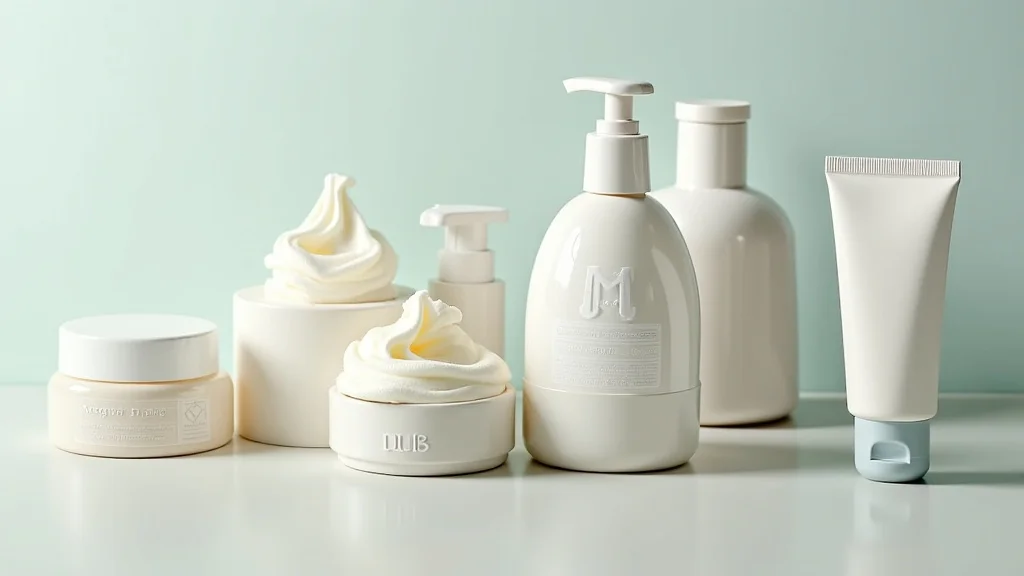
For convenience, numerous safe, pre-made facial masks for kids are available. However, you should still check the ingredients and select masks specifically made for children.
What to Look for in Commercial Masks
When picking commercial facial masks for kids, review the label and consider the ingredients. These suggestions will help you find the right masks.
- Dermatologist-Tested: Products tested by dermatologists offer reassurance. They suggest it is safe for the skin.
- Hypoallergenic: Masks labeled as hypoallergenic may be less likely to trigger allergic reactions. They are specially formulated.
- Natural and Organic Ingredients: Select masks with ingredients derived from natural and organic sources.
- Age-Appropriate Formulations: Choose masks designed for your child’s age group. Their needs will vary.
Dermatologist-tested products are a great choice. They are likely to have undergone tests to confirm that they will not cause skin irritation.
Hypoallergenic masks are created with ingredients less likely to cause allergic reactions. This is important for children, who have sensitive skin.
Natural and organic ingredients often do not contain harsh chemicals or irritants. This is very good for young skin.
Masks designed for specific age groups are formulated with ingredients and concentrations that are appropriate for their skin. This prevents any irritation.
Safe Application and Removal
Proper application and removal are as crucial as the mask itself. These steps will help you ensure a safe and effective experience.
- Patch Test: Before the first use, test the mask on a small area of skin, like the inner arm, to check for allergic reactions.
- Clean Skin: Before applying, wash the face with a gentle cleanser to remove dirt and makeup.
- Application Technique: Apply the mask in a thin, even layer, avoiding the eyes and mouth.
- Time Duration: Follow the manufacturer’s directions regarding how long to keep the mask on the face.
- Removal: Gently rinse the mask off with lukewarm water. Use a soft washcloth to help remove the mask.
- Aftercare: After removing the mask, moisturize the skin with a child-friendly moisturizer.
A patch test helps to ensure that the skin doesn’t react. Wait 24 hours to see if any irritation develops.
Clean skin permits the mask to work properly. Cleaning the skin before applying the mask allows the mask to work.
Apply the mask evenly. Avoid applying too much mask and avoid sensitive areas like the eyes.
Pay close attention to how long the mask is on the face. Letting a mask sit on the skin for too long may dry the skin.
Remove the mask gently. Be careful not to irritate the skin, especially around the eyes. Rinse thoroughly.
Use a moisturizer after the mask to help the skin retain its moisture. Moisturizing helps the mask work more effectively.
Real-Life Examples and Case Studies
Let’s look at a few examples of how facial masks for kids can be incorporated into a child’s routine.
Case Study 1: Maya, a 7-year-old, frequently had dry skin, especially during winter. Her mother started using a honey and oatmeal mask twice a week. Within two weeks, Maya’s skin became significantly softer, and her complaints about itching reduced. Maya also enjoyed the masking time and looked forward to her spa sessions.
Case Study 2: For 10-year-old Alex, occasional breakouts started to surface. His parents introduced a mild clay mask with tea tree oil. Alex used the mask once a week. After a month, Alex experienced a decrease in breakouts, and his skin appeared clearer. This also helped build Alex’s confidence.
Case Study 3: The Smith family decided to organize a family spa night. They created a relaxed setting, played calming music, and all used a gentle cucumber and aloe vera mask. This created a memorable evening and also instilled a good habit of skincare in the children.
Myth Debunking Section
Common Myths Debunked
Myth 1: Facial masks are only for adults.
Reality: Facial masks for kids, when made with safe ingredients, can be very beneficial for children’s skin. Children’s skin needs care, and masks can be a fun way to provide it.
Myth 2: All facial masks are the same.
Reality: Facial masks vary significantly in composition and function. Some cleanse, while others moisturize. It is essential to select masks designed for children.
Myth 3: Children do not need facial masks.
Reality: Just as adults benefit from facial masks, children’s skin can gain from them too. Masks can hydrate, cleanse, and offer a way to get kids interested in skincare.
Myth 4: Expensive masks are always better.
Reality: Price does not always mean better. Many effective facial masks for kids can be made at home using natural ingredients, or you can find affordable options that are just as effective.
Myth 5: Masks can cure all skin problems.
Reality: Masks can aid skin problems, but are not a cure-all. They often work best as part of a skincare routine. Persistent skin problems should be discussed with a pediatrician or dermatologist.
Frequently Asked Questions
Question: At what age can my child start using a facial mask?
Answer: It depends on the formulation and ingredients. Masks designed for children can generally be introduced from the age of 2, but always do a patch test first.
Question: How often should I let my child use a facial mask?
Answer: For young children, once or twice a week is usually enough. For older children, depending on the skin type, they can be used up to three times a week.
Question: Are all ingredients safe for kids’ masks?
Answer: No, avoid harsh chemicals, artificial fragrances, parabens, and sulfates. Always check the ingredients list.
Question: What should I do if my child has a reaction to the mask?
Answer: Stop using the mask immediately, wash the face with lukewarm water, and consult a pediatrician if the reaction continues.
Question: Can I make my own masks at home?
Answer: Yes, you can. Use natural ingredients and test a small area of skin before applying it to the face. Make sure that you only use safe ingredients.
Final Thoughts
Skincare is an important part of well-being, and introducing facial masks for kids can be a fun and engaging way to teach children about healthy habits. Remember to choose gentle ingredients, create a relaxing environment, and turn the masking routine into a fun experience. By following these suggestions, you will help your child cultivate a positive relationship with skincare. With the appropriate masks and routines, your child’s skin will shine. So, gather your ingredients, create a spa-like atmosphere, and enjoy some quality time with your child, while caring for their skin. This will promote their well-being.
Leave a Reply