


Remember that time your friend raved about a new facial mask skin care routine, and you were tempted to try it? Maybe you thought it was just another beauty trend, but now you’re curious about the potential benefits. This guide will provide you with all the essential information you need, from choosing the right masks to mastering the application. You’ll gain practical advice to improve your skincare and feel more confident in your own skin. By the end, you’ll be well-equipped to integrate effective facial mask skin care into your routine.
Key Takeaways
- Learn the benefits of incorporating facial masks into your skincare regimen.
- Discover different types of facial masks and their specific advantages for various skin types.
- Understand the ingredients in masks and how they work to improve your skin’s health.
- Get step-by-step instructions on applying and removing masks correctly.
- Find out how often to use facial masks and how to avoid potential problems.
- Gain insight into the effectiveness of homemade masks versus store-bought options.
Understanding the Basics of Facial Mask Skin Care
Facial masks have become a central part of many people’s skincare routines, and for good reason. They offer a concentrated dose of active ingredients directly to the skin, delivering targeted benefits that enhance overall skin health and appearance. Whether your focus is hydration, cleansing, or anti-aging, there’s a facial mask to address your needs. These masks act as powerful delivery systems, allowing ingredients to deeply penetrate the skin, providing maximum impact. Regular use can lead to noticeable improvements in texture, tone, and overall radiance.
What Are Facial Masks?
Facial masks are skincare products designed to be applied to the face for a specified amount of time before being rinsed off. They come in various formulations, each serving a unique purpose, from deep cleansing to intense hydration. Masks are typically made with ingredients that address specific skin concerns, such as dryness, oiliness, acne, and signs of aging. They contain a higher concentration of active ingredients than everyday cleansers or moisturizers, providing a more intense and focused treatment.
The history of facial masks dates back to ancient times, with cultures around the world using natural ingredients like honey, clay, and fruit to address skin problems. The earliest use of masks was mainly for cleansing and purification rituals, but it gradually developed into a widespread practice for beauty and skincare. Today, the skincare industry offers a huge variety of masks, making them more accessible than ever before, and integrating them into many beauty routines.
- Types of Masks: There are many different types of facial masks available, including sheet masks, clay masks, cream masks, gel masks, and peel-off masks. Each type is designed to deliver a unique set of benefits.
- Ingredients: Common ingredients include hydrating agents like hyaluronic acid, cleansing agents like clay, and exfoliating agents like AHAs and BHAs. Antioxidants, vitamins, and plant extracts are also frequently used to promote skin health.
- Benefits: Masks provide a range of benefits, including deep cleansing, hydration, exfoliation, brightening, and anti-aging effects. They can address many skin issues, from acne and dryness to fine lines and wrinkles.
How Masks Work on Your Skin
Facial masks create a barrier that traps moisture and allows active ingredients to penetrate the skin more effectively. This enhanced penetration makes the ingredients work more efficiently than products that are not left on the skin for extended periods. The occlusion effect, which is the trapping of moisture, encourages hydration and can soften the skin. The specific ingredients determine the specific function of a mask, addressing the unique needs of your skin.
For example, clay masks absorb excess oil and impurities, while hydrating masks deliver essential moisture. Exfoliating masks remove dead skin cells, revealing a brighter complexion. The ingredients are designed to be in contact with your skin for a specific amount of time to allow the ingredients to work their magic. That period enables the mask to soften your skin’s top layer and deliver the active components deep into the epidermis, to make a huge difference.
- Occlusion: Creates a barrier that helps ingredients absorb into the skin.
- Ingredient Delivery: Increases the effectiveness of active ingredients.
- Skin Type Specific: Masks are formulated to target various skin concerns.
The Different Types of Facial Masks and Their Benefits
Understanding the different types of facial masks can assist you in building a skincare routine that supports your specific needs. Each type offers a unique set of benefits, designed for specific skin conditions, providing solutions for a broad range of skin concerns. Exploring the different types can enhance your routine, creating a more successful path to reaching your skin goals.
Sheet Masks
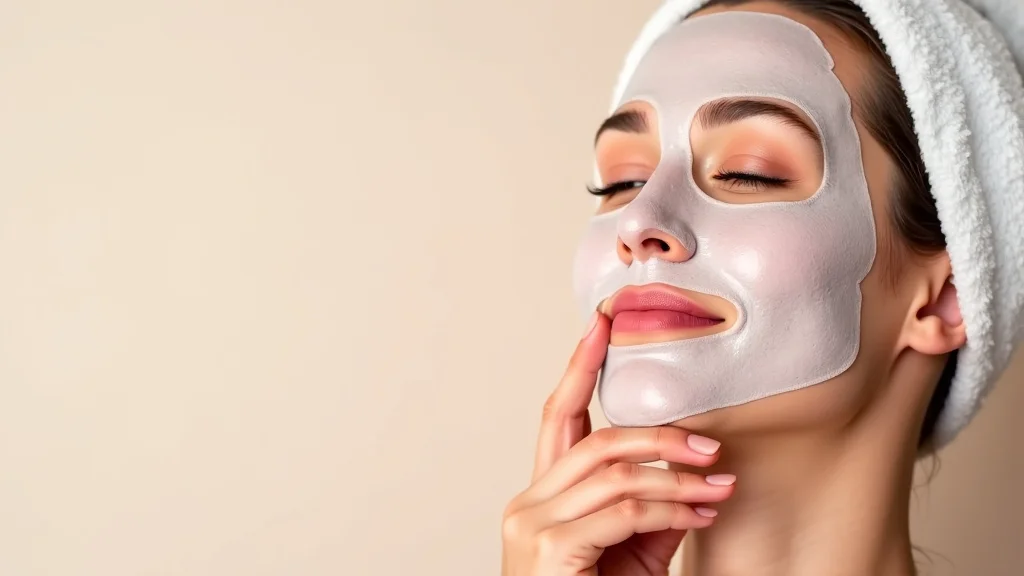
Sheet masks are pre-cut face-shaped sheets, usually made of cotton, microfiber, or hydrogel, saturated with serum. These masks are incredibly easy to use and require no rinsing, making them a practical choice for those with busy lifestyles. They deliver a concentrated dose of serum directly to the skin, providing quick hydration and a boost of nutrients. Sheet masks are well known for providing an instant glow and are a popular option for special events.
The sheet material of the mask creates a physical barrier that prevents evaporation, ensuring that the active ingredients penetrate the skin efficiently. These masks are available in a variety of formulations, each designed to tackle different skin problems. These can range from hydrating and brightening to anti-aging and soothing, providing something for every skincare routine. They are known for providing quick, visible results, making them an excellent choice for a fast, easy, and effective skincare routine.
- Hydrating: Sheet masks often contain hyaluronic acid and other hydrating ingredients.
- Brightening: Vitamin C and other brightening agents are common.
- Convenience: Easy to use and require no rinsing.
Clay Masks
Clay masks are formulated with different types of clay, such as bentonite or kaolin clay, that draw out impurities and excess oil from the skin. These masks are especially great for those with oily or acne-prone skin, providing deep cleansing and reducing shine. Clay has absorbent properties, which allows it to pull impurities from pores, leading to a clearer, smoother complexion. They are a staple in many skincare routines for those that deal with congestion and breakouts.
When the clay dries, it creates a tightening effect that helps to shrink pores and control sebum production. Many clay masks also contain additional ingredients, like tea tree oil or charcoal, to further enhance their cleansing properties. Regular use of clay masks can assist in preventing breakouts, minimizing the appearance of pores, and improving the overall texture of the skin. They are an essential part of a comprehensive skincare routine for acne control.
- Deep Cleansing: Removes impurities and excess oil.
- Absorbent Properties: Helps to shrink pores and control shine.
- Great for Oily Skin: Reduces breakouts and improves skin texture.
Cream Masks
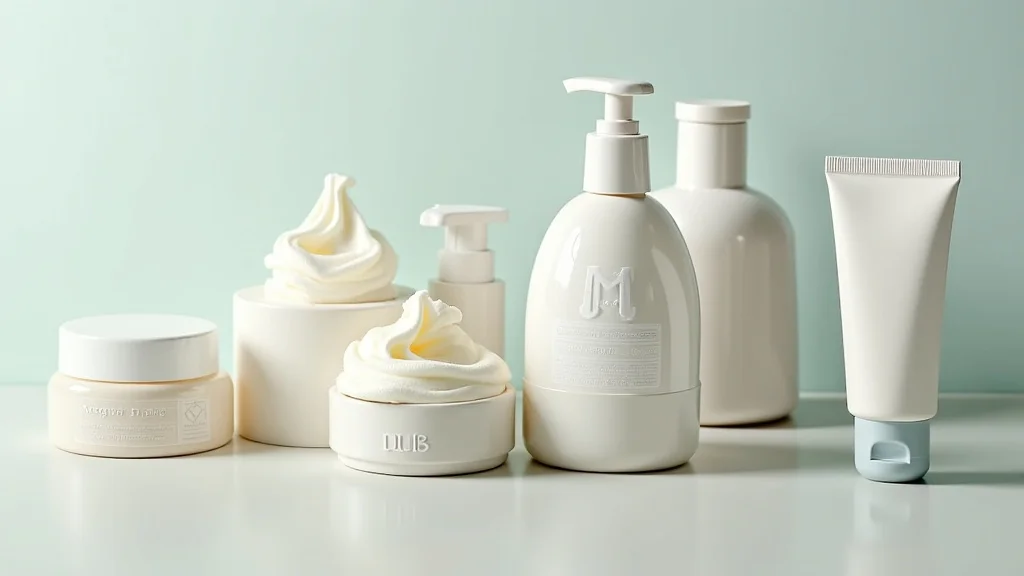
Cream masks are typically rich and moisturizing, providing hydration and nourishment to the skin. They are suitable for all skin types, particularly dry or sensitive skin, as they provide an intense level of hydration and protection. These masks often contain ingredients like ceramides, shea butter, and various oils, which can provide a soothing and hydrating effect. Cream masks help to keep the skin soft, supple, and healthy.
They are known for their ability to combat dryness, reduce flakiness, and improve skin elasticity. Applying cream masks can provide immediate relief from dry skin, leaving the skin feeling hydrated and looking radiant. Cream masks are an excellent choice for those wanting to hydrate their skin. Using these masks regularly can improve skin elasticity and promote a healthy glow.
- Hydrating: Provide intense moisture and nourishment.
- Suitable for Dry Skin: Keep skin soft, supple, and healthy.
- Rich Ingredients: Often contain ceramides, shea butter, and oils.
Choosing the Right Facial Mask for Your Skin Type
Choosing the right facial mask is essential for achieving optimal results and addressing your specific skin concerns. Using a mask that is not suitable for your skin type can cause issues such as dryness, irritation, or breakouts. To choose a mask, you must consider your skin type and any specific issues you want to address, before finding ingredients that will support your goals. Understanding the needs of your skin will lead to a more successful and beneficial skincare routine.
Masks for Oily Skin
If you have oily skin, you’ll want to focus on masks that control oil production and minimize shine. Clay masks are an excellent choice, as they absorb excess oil and impurities from the pores, preventing breakouts and improving skin clarity. Look for masks that include ingredients like charcoal or tea tree oil, as they have extra cleansing and antibacterial properties. Using these types of masks 1-2 times a week will help keep your skin fresh and clear.
You can also explore masks with ingredients that regulate sebum production, which may include niacinamide or salicylic acid. These ingredients help control oil and prevent clogged pores. It’s essential to avoid masks that are very hydrating or overly rich, as they can make oily skin feel heavy and congested. These masks also help to shrink pores and improve skin clarity.
- Clay Masks: Absorb oil and impurities.
- Ingredients: Charcoal, tea tree oil, niacinamide, and salicylic acid.
- Frequency: Use 1-2 times per week.
Masks for Dry Skin
For dry skin, focus on masks that deliver intense hydration and nourishment. Cream masks are an excellent option, as they are packed with moisturizing ingredients such as hyaluronic acid, ceramides, and various oils like shea butter. Look for masks that can replenish moisture and leave your skin feeling soft and supple. Using these types of masks can make a big difference in the way dry skin feels and looks.
Sheet masks can also be helpful, as they provide a quick burst of hydration and contain ingredients that can help retain moisture. Avoid masks that contain alcohol or harsh exfoliants, as these can strip the skin of its natural oils and worsen dryness. These masks can improve skin elasticity and promote a healthy glow.
- Cream Masks: Deliver intense hydration and nourishment.
- Ingredients: Hyaluronic acid, ceramides, and oils.
- Frequency: Use regularly to replenish moisture.
Masks for Sensitive Skin
If you have sensitive skin, it is important to choose masks that are gentle and free from irritants. Look for masks that contain soothing ingredients like aloe vera, chamomile, and calendula. Avoid masks with fragrances, alcohol, or harsh chemicals, which can cause irritation and redness. Patch-testing any new mask before applying it to your entire face is also a good idea. This will help you ensure that you don’t have a reaction to the ingredients.
Hydrating and calming masks are the safest bet for sensitive skin, helping to soothe and comfort the skin while keeping it hydrated. Stick to simple formulas with minimal ingredients to reduce the chance of adverse reactions. Using these types of masks can provide some relief and give the skin what it needs. Using a gentle mask will provide benefits without irritating or damaging the skin.
- Gentle Formulas: Free from irritants like fragrance and alcohol.
- Soothing Ingredients: Aloe vera, chamomile, and calendula.
- Patch Test: Always test before full application.
How to Use Facial Masks Correctly
Applying facial masks correctly is critical to getting the most out of them. Following these steps helps ensure that the mask works efficiently and that you get the desired results. Taking the time to properly prepare your skin and follow the mask’s instructions makes a huge difference in effectiveness. With a simple plan in place, you can maximize your results and take care of your skin.
Preparing Your Skin
Before applying a facial mask, start by cleansing your face thoroughly to remove makeup, dirt, and oil. This step creates a clean base, allowing the active ingredients of the mask to penetrate the skin efficiently. Use a gentle cleanser that suits your skin type, making sure to avoid harsh ingredients that could irritate your skin. A clean face maximizes the benefits of the mask.
Next, consider exfoliating your skin gently before applying the mask. Exfoliation removes dead skin cells, which can clog pores, and helps in removing any dead skin cells. This enables the mask to penetrate the skin more effectively. However, avoid exfoliating too frequently, as it can damage the skin’s protective barrier. Exfoliate only a couple of times a week, as it prepares the skin for your mask.
- Cleanse: Remove makeup, dirt, and oil with a gentle cleanser.
- Exfoliate: Gently remove dead skin cells (1-2 times a week).
- Pat Dry: Ensure your skin is dry before application.
Applying the Mask
When applying a facial mask, follow the instructions on the product packaging. Use a clean applicator brush or your fingertips to spread the mask evenly over your face, avoiding the eye and lip areas. If the mask has specific application instructions, ensure that you follow them. This step is to evenly distribute the product to support even absorption and maximize its effects.
For sheet masks, carefully unfold the mask and align it with your face contours. Make sure it adheres smoothly to your skin, pressing it gently to remove any air bubbles. With all mask types, apply a thin to medium layer. Avoid using too much product, as this won’t necessarily improve results and could lead to waste or irritation. Taking these steps can make the application much more effective.
- Even Application: Use a brush or your fingertips for even coverage.
- Avoid Eyes and Lips: Keep the mask away from these sensitive areas.
- Follow Instructions: Adhere to the product’s application guidelines.
Removing the Mask
When it’s time to remove the mask, always follow the instructions on the product packaging for the right time and method. For most masks, rinsing with lukewarm water is the best approach. Avoid using hot water, as this can dry out your skin. Gently massage your face while rinsing to help remove any remaining product. This will ensure that any remnants of the mask are removed.
For peel-off masks, allow the mask to dry completely and then peel it off gently, starting from the edges. Be careful not to pull too hard, as this can irritate your skin. After removing the mask, pat your skin dry with a soft towel. Immediately follow with a moisturizer to lock in hydration and further enhance the effects of the mask. Taking these steps can ensure a happy experience with your skin.
- Rinse or Peel: Follow the product’s instructions for removal.
- Use Lukewarm Water: Avoid hot water.
- Moisturize: Apply moisturizer immediately after.
How Often Should You Use Facial Masks?
The frequency of using facial masks depends on the type of mask and your skin’s needs. The overuse of facial masks can lead to irritation or dryness, while not using them frequently enough may not give you the desired results. Paying attention to your skin’s signals and adjusting your routine as needed is essential. A well-planned and personalized schedule will allow you to get the best benefits.
Frequency by Mask Type
Sheet masks can be used more frequently, usually 1-3 times a week, as they are generally gentle and hydrating. Clay masks and exfoliating masks, because of their deep cleansing or exfoliating properties, should be used less often, usually once or twice a week, to avoid irritation or stripping the skin of its natural oils. As you incorporate them into your routine, monitor how your skin responds. You can make adjustments based on your results.
Cream masks and other hydrating masks can often be used 1-3 times a week, depending on your skin’s level of dryness. Always read and follow the instructions on the product, as the frequency will vary based on the formula. By carefully planning your use, you can make the most out of your skincare routine. Using a mask can enhance the skin’s overall health and appearance.
- Sheet Masks: 1-3 times per week.
- Clay and Exfoliating Masks: 1-2 times per week.
- Cream Masks: 1-3 times per week.
Avoiding Overuse
Overusing facial masks, particularly those that exfoliate or deeply cleanse, can cause irritation, redness, and dryness. It can also disrupt your skin’s natural moisture barrier, leading to imbalances in skin health. Start slowly, monitoring your skin for signs of irritation or sensitivity, and reduce the frequency if needed. Your skin’s condition should always guide your routine, to ensure your skin is supported.
If you notice any adverse reactions, such as increased sensitivity or breakouts, stop using the mask and consult with a dermatologist. Adjust your routine based on how your skin looks and feels. Listen to your skin and make the necessary adjustments to avoid problems. These methods help to promote the health of your skin and will ensure that you have amazing results.
- Monitor Skin: Watch for irritation, redness, or dryness.
- Reduce Frequency: If problems arise, reduce your use.
- Consult a Dermatologist: Seek professional advice if issues persist.
Homemade Masks vs. Store-Bought Masks
Deciding between homemade masks and store-bought masks comes down to your preferences, time, and ingredients. Both options have benefits, and choosing the one that best suits your needs can assist you in reaching your skincare goals. Understanding the advantages and disadvantages will assist you in making an informed decision that enhances your routine.
Homemade Masks
Homemade masks offer the advantage of using fresh, natural ingredients, which can be free from artificial additives and preservatives. You have complete control over what goes into the mask, making it easy to create a mask for your specific skin concerns and sensitivities. You can also customize your formulas and try new blends with ingredients that you already have, making it cost-effective, depending on your choices.
However, homemade masks can have limitations. They may have a shorter shelf life, requiring you to make them frequently, and they might not be as effective as professionally formulated products due to the lack of advanced scientific techniques. Not all ingredients are suitable for use on the skin. You must study ingredients to be certain they are helpful and don’t harm your skin.
- Advantages: Fresh ingredients, control over ingredients, customizable formulas.
- Disadvantages: Shorter shelf life, potentially less effective, ingredient limitations.
Store-Bought Masks
Store-bought masks have several benefits, including a wide array of formulas and technologies designed to address specific skin concerns with precision. These masks undergo testing to ensure safety and effectiveness, and they often contain active ingredients that are more powerful than what you can find at home. They also offer convenience, as they are ready to use and come with clear instructions.
On the downside, store-bought masks may contain preservatives, fragrances, and other additives that can cause irritation for sensitive skin. Some formulations can be expensive. Always read labels carefully to make sure the product suits your skin. You can get professional-grade results and are more likely to achieve your skin goals.
- Advantages: Wide range of formulas, tested for safety and effectiveness, convenience.
- Disadvantages: May contain additives, can be expensive, not always customizable.
Common Myths Debunked
There are some common misconceptions about facial masks that are not accurate. Separating fact from fiction can help you incorporate masks into your skincare routine. Learning the truth will assist you in making choices that protect and support your skin. These myths may make people hesitant to use masks, and we want to change that.
Myth 1: All masks are the same.
This is false. As explained above, there are many different types of facial masks, each designed to serve different skin problems. You can choose from sheet masks, clay masks, cream masks, gel masks, and more. Each type has its benefits, as well as ingredients. The differences will ensure that you select a mask that will best fit your requirements.
Myth 2: You can use masks every day.
This is often untrue. Using certain masks, especially those with exfoliating or deep-cleansing properties, on a daily basis can be very harsh on your skin. That type of use may disrupt the natural moisture barrier, leading to irritation, redness, and dryness. It’s generally best to start by using masks 1-3 times a week, depending on the type and your skin’s needs. Overdoing masks can lead to skin problems, so it is best to avoid that.
Myth 3: The longer you leave the mask on, the better.
Not always true. Leaving a mask on for too long can sometimes lead to the skin becoming dehydrated or irritated. Most masks have specific recommended times on the packaging, which is when the product is meant to be rinsed off. When the mask is in place, it creates a barrier effect, which causes moisture to go back into the skin. Leaving the mask for extended periods can disrupt this cycle, which will not lead to better skin.
Myth 4: Masks can replace your entire skincare routine.
This is incorrect. Masks are a great supplement to your routine, but they don’t replace essential steps like cleansing, moisturizing, and using sunscreen. Masks are designed to target specific skin problems and give your skin extra benefits. They are not a substitute for the basics. Masks are important but should be added to an existing routine, to improve the results.
Myth 5: Homemade masks are always better than store-bought masks.
This is not always the case. Although homemade masks use natural ingredients, they may not be as effective as professionally formulated products, and some ingredients might not be safe for your skin. Store-bought masks undergo testing and often contain active ingredients formulated to deliver specific benefits. The best choice depends on what you are hoping to accomplish.
Frequently Asked Questions
Question: Can I use facial masks if I have sensitive skin?
Answer: Yes, you can use facial masks if you have sensitive skin, but it is important to choose gentle, hypoallergenic formulas. Look for masks specifically designed for sensitive skin, that are free from fragrances and harsh chemicals. Always patch-test a new mask before applying it to your entire face.
Question: How do I know if a facial mask is right for my skin?
Answer: Consider your skin type (oily, dry, combination, sensitive) and specific skin concerns (acne, dryness, aging). Read product descriptions and ingredients lists carefully, and look for masks with ingredients known to address your needs. If you’re unsure, it is best to consult with a dermatologist.
Question: Can I make my own facial masks at home?
Answer: Yes, you can make your own facial masks at home, using natural ingredients like honey, yogurt, or avocado. However, be aware that homemade masks may not be as effective or long-lasting as store-bought ones. Research the ingredients and their safety for use on your skin.
Question: How often should I exfoliate before applying a facial mask?
Answer: Generally, exfoliate your skin 1-2 times per week before applying a facial mask. Exfoliation helps to remove dead skin cells and allows the mask’s ingredients to penetrate more effectively. Be gentle, and avoid over-exfoliating, as this can irritate your skin.
Question: What should I do after removing a facial mask?
Answer: After removing a facial mask, rinse your face with lukewarm water and pat it dry with a soft towel. Immediately apply a moisturizer to lock in hydration and further enhance the mask’s effects. A moisturizer will protect your skin and give the ingredients the best impact.
Final Thoughts
Incorporating facial mask skin care into your routine can revolutionize the health and appearance of your skin. By understanding different mask types, you can choose formulas that tackle specific needs, from deep cleansing to intense hydration. Remember, selecting the right mask, preparing your skin correctly, and using the mask as directed are key steps to getting positive results. Always pay attention to your skin’s signals, adjusting your routine as needed to prevent irritation. With consistency and awareness, facial mask skin care can become a valuable part of your daily ritual, helping you maintain a healthy, radiant complexion and promote your confidence.
Leave a Reply