


Remember that time you tried to DIY a face mask with ingredients from your fridge, and ended up looking more like a monster from a low-budget horror film? We’ve all been there! Finding the right products for your skin can feel like a guessing game. This post is your personal skincare sidekick, here to demystify the world of best facial masks. You’ll learn what to look for, what to avoid, and which masks can truly transform your skin, leaving you with a radiant glow. Get ready to explore the exciting options and find the perfect mask for your specific needs!
Key Takeaways
- Discover how to identify your skin type and choose the right mask.
- Learn the benefits of different mask ingredients like hyaluronic acid and clay.
- Understand the difference between sheet masks, clay masks, and other types.
- Find out how to incorporate facial masks into your skincare routine for optimal results.
- Explore top-rated best facial masks for various skin concerns.
- Gain expert tips on maximizing your mask’s effectiveness.
Unveiling the Power of Facial Masks
Facial masks have become a beloved part of self-care routines, offering a quick and effective way to address various skin concerns. These masks are more than just a luxurious treat; they’re potent tools that can hydrate, cleanse, exfoliate, and revitalize your skin. From fighting blemishes to combating the effects of aging, the best facial masks provide targeted solutions that can transform your complexion. Let’s delve into the different types, ingredients, and how to choose the right one for your skin needs.
Types of Facial Masks
The variety of facial masks available can be overwhelming, but each type offers unique benefits. Knowing the differences helps in selecting the most suitable mask for your specific requirements. The most common varieties include sheet masks, clay masks, cream masks, gel masks, and peel-off masks. Each is designed for different skin types and purposes. Exploring the characteristics of each type is key to making an informed choice, leading to better skincare outcomes.
- Sheet Masks: These masks, typically made from thin cloth or paper, are pre-soaked in serums. They are convenient and easy to use, providing intense hydration and delivering active ingredients directly to the skin. They are great for a quick boost of moisture.
- Clay Masks: Ideal for oily or acne-prone skin, clay masks draw out impurities and excess oil from pores. They often contain ingredients like bentonite or kaolin clay, which have absorbent properties. They are great for deep cleansing.
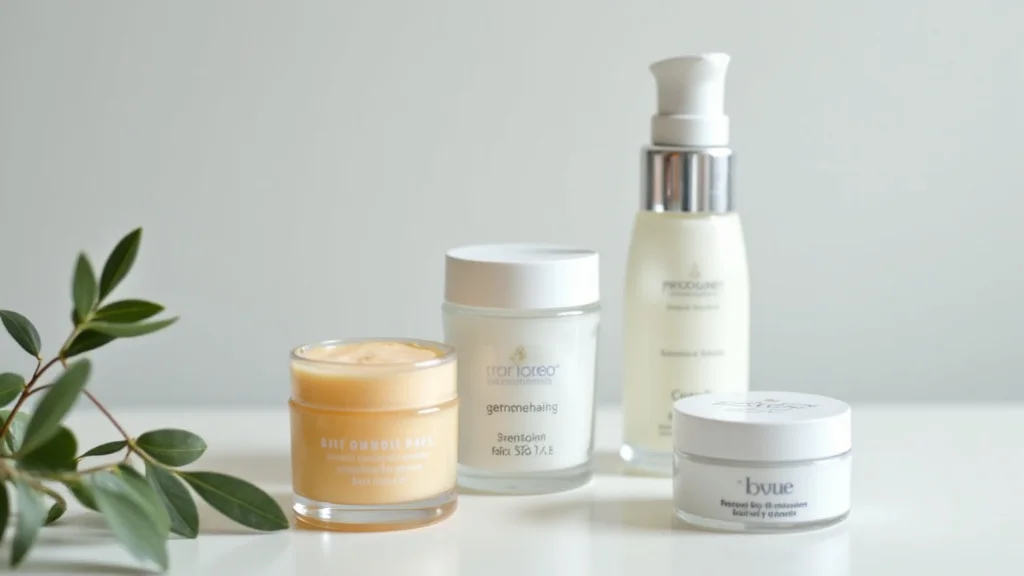
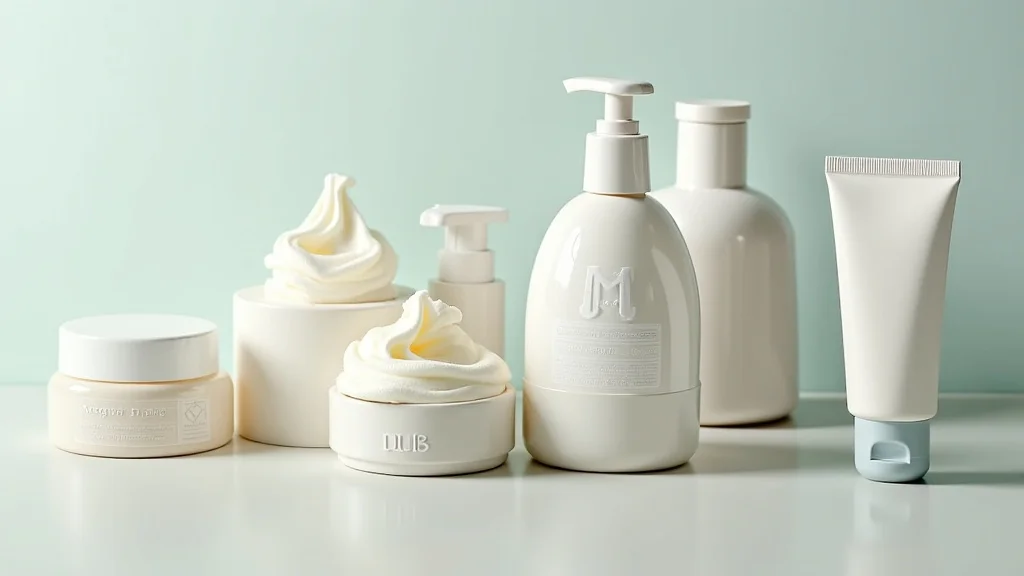
- Cream Masks: These masks, with their rich and creamy texture, are typically formulated to hydrate and nourish the skin. They often contain ingredients such as oils, butters, and vitamins. They are perfect for dry or sensitive skin.
- Gel Masks: Gel masks offer a cooling and soothing effect, making them perfect for sensitive or irritated skin. They are typically lightweight and can hydrate while calming redness.
Sheet masks are incredibly popular because they’re user-friendly and offer a quick dose of beneficial ingredients. They create a barrier on the skin, preventing evaporation and maximizing absorption of the serum. The snug fit ensures that the skin receives a concentrated dose of hydrating and nourishing components. These masks are especially effective for dehydrated skin, providing an instant plumping effect and a refreshed appearance.
Clay masks are essential for anyone struggling with oily skin or blemishes. By absorbing excess sebum, they minimize shine and prevent clogged pores that lead to breakouts. They also help to refine the skin’s texture and reduce the appearance of pores. These masks are an excellent choice for a weekly deep-cleanse, leaving your skin feeling refreshed and revitalized.
Cream masks are the go-to solution for those seeking intense hydration and nourishment. The rich formula provides a soothing experience, replenishing moisture and improving skin elasticity. They are particularly beneficial in colder, drier climates or for individuals with dehydrated skin. The creamy texture helps to lock in moisture, leaving the skin feeling soft, supple, and radiant.
Gel masks deliver a refreshing and cooling sensation, perfect for soothing irritated or sensitive skin. They often contain ingredients like aloe vera or cucumber, known for their anti-inflammatory properties. The lightweight texture allows for better absorption of active ingredients, reducing redness and discomfort. These masks are a fantastic option for a post-sun treatment or for calming conditions like rosacea.
Key Ingredients in Facial Masks
Understanding the active ingredients in your facial mask is essential for achieving desired results. Different ingredients target various skin concerns, from dryness to acne to signs of aging. Familiarizing yourself with these ingredients will empower you to choose masks that best suit your skin’s needs. Ingredients like hyaluronic acid, vitamin C, and salicylic acid are essential parts of effective masks.
- Hyaluronic Acid: A powerful humectant, hyaluronic acid attracts and retains moisture in the skin, providing intense hydration and plumping fine lines.
- Vitamin C: An antioxidant, vitamin C brightens the skin, protects against free radical damage, and can reduce hyperpigmentation.
- Salicylic Acid: A beta-hydroxy acid (BHA), salicylic acid exfoliates the skin, unclogs pores, and treats acne.
- Green Tea Extract: Rich in antioxidants, green tea extract soothes irritated skin, reduces redness, and provides anti-aging benefits.
Hyaluronic acid is a hydration hero, capable of holding up to 1,000 times its weight in water. It works by attracting moisture from the environment and drawing it into the skin. This not only hydrates the surface but also helps to plump up the skin, reducing the appearance of fine lines and wrinkles. Products containing hyaluronic acid are excellent for all skin types, especially those prone to dryness.
Vitamin C is a potent antioxidant that combats damage from environmental factors like pollution and UV radiation. It brightens the complexion by inhibiting melanin production, thereby fading dark spots and improving skin tone. Vitamin C also promotes collagen production, which helps in maintaining skin elasticity and firmness. Using a mask with vitamin C provides a noticeable glow and promotes a more youthful appearance.
Salicylic acid is a highly effective ingredient for those battling acne or clogged pores. It penetrates deep into the pores, dissolving oil and dead skin cells. This exfoliation prevents the formation of blackheads and whiteheads, reducing the frequency and severity of breakouts. This is especially good for oily or acne-prone skin. It also has anti-inflammatory properties, which help to reduce redness and inflammation.
Green tea extract is a fantastic ingredient for soothing and protecting the skin. It is packed with antioxidants that protect against environmental damage and premature aging. Its anti-inflammatory properties help to calm irritated skin and reduce redness. Masks containing green tea extract are perfect for those with sensitive skin or for use after sun exposure.
Choosing the Right Mask for Your Skin Type
Selecting the right mask depends on identifying your skin type and addressing specific concerns. Oily skin benefits from clay masks, while dry skin thrives with hydrating cream masks. Combination skin might require multiple masks for different areas. Understanding your skin type will help you get the best outcomes.
Assessing Your Skin Type
Properly identifying your skin type is the first step toward selecting effective products. Consider the appearance and feel of your skin throughout the day. Does it feel oily, dry, or a combination of both? Note the presence of any specific concerns such as acne, redness, or sensitivity. These observations will guide you in choosing suitable mask types and ingredients.
- Oily Skin: Often characterized by a shiny appearance, enlarged pores, and a tendency toward breakouts.
- Dry Skin: Feels tight, flaky, and often lacks natural oils.
- Combination Skin: Displays both oily and dry areas, with the T-zone (forehead, nose, chin) often being oily and the cheeks being dry.
- Sensitive Skin: Prone to redness, irritation, and allergic reactions.
Oily skin produces excess sebum, making it prone to shine, blackheads, and acne. Look for masks with clay, charcoal, or salicylic acid to absorb oil, unclog pores, and exfoliate. These ingredients can regulate oil production and prevent breakouts. Regular use of these masks will leave your skin feeling cleaner and less shiny.
Dry skin lacks sufficient oil, resulting in a tight, flaky, or rough texture. Seek masks with hydrating ingredients like hyaluronic acid, ceramides, or nourishing oils like shea butter. These ingredients will help to replenish moisture and restore the skin’s natural barrier. Regular use can reduce flakiness and give the skin a softer, smoother feel.
Combination skin requires a dual approach, addressing both oily and dry areas. You might use different masks on different areas of your face. Clay masks on the T-zone to control oil and hydrating masks on the cheeks. This strategy offers balanced care, ensuring each area receives specific care. It addresses both oiliness and dryness. Combination skin often needs more individual consideration than other skin types.
Sensitive skin needs gentle, non-irritating formulas. Avoid masks with harsh chemicals, fragrances, or alcohol. Opt for hypoallergenic options with soothing ingredients like aloe vera or chamomile. Test new products on a small area first to check for any adverse reactions. Taking care with your approach can significantly reduce inflammation and irritation. Careful product choices are essential for managing sensitive skin.
Addressing Specific Skin Concerns
Your skincare routine should respond to your specific challenges, whether that is acne, aging, or uneven tone. Selecting the right mask ingredients will help target these needs directly. Ingredients such as tea tree oil and retinol play important roles in addressing different concerns.
- Acne and Breakouts: Look for masks with salicylic acid, benzoyl peroxide, or tea tree oil to unclog pores and reduce inflammation.
- Anti-Aging: Choose masks with retinol, peptides, or antioxidants to reduce fine lines and wrinkles and boost collagen production.
- Hyperpigmentation: Use masks with vitamin C, niacinamide, or kojic acid to lighten dark spots and even out skin tone.
- Dryness and Dehydration: Masks with hyaluronic acid, ceramides, or glycerin hydrate and restore moisture to the skin.
For acne-prone skin, masks containing salicylic acid can exfoliate and prevent pore blockages. Benzoyl peroxide helps to kill bacteria that cause acne. Tea tree oil’s anti-inflammatory and antibacterial properties make it a beneficial ingredient. Regular use can control breakouts and improve skin clarity. It directly reduces inflammation and clears up clogged pores.
To combat the signs of aging, include masks with retinol, peptides, and antioxidants. Retinol promotes cell turnover and reduces wrinkles. Peptides stimulate collagen production, while antioxidants protect against free radical damage. Regular use can lead to firmer, smoother, and more youthful-looking skin. This routine can significantly improve the appearance of aging.
For uneven skin tone, opt for masks that contain vitamin C to brighten the skin. Niacinamide can reduce hyperpigmentation, and kojic acid can lighten dark spots. Consistent use will result in a more even skin tone. This focused strategy improves overall skin appearance. It specifically combats dark spots.
Dryness is best addressed with masks containing hyaluronic acid. Ceramides help strengthen the skin barrier and prevent water loss. Glycerin provides extra hydration. Regular application will improve moisture levels, leaving the skin feeling supple and hydrated. These ingredients replenish essential moisture. The barrier protects the skin from environmental stressors.
Incorporating Masks Into Your Routine
Adding facial masks into your regular skincare regimen can be a game-changer. They function as a targeted treatment, amplifying the effects of your daily skincare steps. Consistent application, coupled with proper timing, is critical to improving skincare results and skin health. This section provides advice on how to seamlessly integrate masks into your existing skincare routine.
Frequency and Timing
The frequency with which you use facial masks depends on your skin type and the type of mask. Oily skin might benefit from more frequent treatments, while dry or sensitive skin might need fewer applications. Proper timing—often after cleansing and before moisturizing—is important to maximize the absorption of the active ingredients.
- How often to mask: Most people use masks 1-3 times per week, depending on skin type and needs.
- Best time to apply: Apply masks after cleansing and exfoliating, but before moisturizing.
- Duration: Follow the product instructions for the recommended time, usually 10-20 minutes.
The frequency of using facial masks is dependent on both your skin type and the specific concerns you want to address. Oily skin can often handle more frequent masking—perhaps two or three times a week. Dry or sensitive skin benefits from less frequent masking, typically once or twice a week. It’s important to monitor how your skin responds and adjust your schedule accordingly.
For the best outcomes, always apply your mask to clean skin, after cleansing and exfoliating. This clears away any impurities and allows the mask’s active ingredients to effectively absorb. After rinsing off the mask, follow up with your serum and moisturizer to lock in moisture. Applying the mask at this stage optimizes absorption and effectiveness, helping to achieve better results.
Adhering to the manufacturer’s instructions on the product is crucial. Most masks should be left on for 10-20 minutes. Exceeding the recommended time might lead to skin irritation. Setting a timer will prevent you from accidentally leaving the mask on for too long. Check the mask periodically to ensure that it has not dried out completely, especially clay masks.
Maximizing Mask Effectiveness
Maximizing the effectiveness of facial masks goes beyond just applying them. Preparing the skin, selecting the correct mask type, and creating the right environment helps to improve the outcomes. Small changes to how you apply your mask, coupled with thoughtful post-mask care, can significantly improve your results.
- Prepare your skin: Cleanse and exfoliate to remove impurities and dead skin cells.
- Create the right environment: Consider masking in a warm, steamy environment for better absorption.
- Post-mask care: Apply a serum and moisturizer to lock in hydration and further enhance results.
Before applying any facial mask, make sure your face is clean. Washing your face removes surface dirt, oil, and makeup, which allows the mask to penetrate deeper. Exfoliating, one or twice a week, will remove dead skin cells. This enables the active ingredients to absorb better, improving the mask’s effectiveness. Doing this before use makes the skin more receptive to the mask’s benefits.
A warm environment can help open up your pores, improving absorption of the ingredients. Doing a mask in the bathroom after a shower or using a facial steamer will increase the mask’s efficacy. A warm environment enhances the impact of the mask. It allows for a better experience, ensuring optimal results.
After rinsing off your facial mask, applying a serum and moisturizer is vital. The serum provides additional targeted treatment, while the moisturizer seals in hydration and reinforces the skin’s barrier. This process ensures the mask’s benefits are maximized. It leaves your skin feeling nourished and well-protected. These steps ensure that you get the most out of your mask.
Exploring Some of the Best Facial Masks
The marketplace offers a range of facial masks, each formulated to address distinct skin issues. Selecting the most effective option for your skin type and concerns is essential. Here are a few notable options with explanations of their effectiveness.
Top-Rated Mask Options
To assist in your search, consider this carefully selected list of effective masks. Each product has been selected for its unique formulation, customer ratings, and positive outcomes. The inclusion of ingredients and benefits will help you find the right fit for your skincare needs.
- For Hydration: Hyaluronic acid sheet masks from brands like Neutrogena and Laneige.
- For Acne: Clay masks with salicylic acid or benzoyl peroxide from brands like The Ordinary and Mario Badescu.
- For Brightening: Vitamin C masks from brands like Sunday Riley and Drunk Elephant.
- For Exfoliation: Enzyme masks from brands like Peter Thomas Roth and Paula’s Choice.
Hyaluronic acid sheet masks are well-known for their intensive hydration properties. These masks provide instant relief to dry skin and are useful for restoring moisture. They deliver a concentrated dose of hyaluronic acid to hydrate the skin. You can get plumped, glowing skin. They are a quick fix for dull and tired skin.
Clay masks are essential for oily or acne-prone skin, effectively drawing out impurities and reducing breakouts. They often contain salicylic acid to exfoliate pores and benzoyl peroxide to fight bacteria. Regular use will minimize oiliness and keep pores clear. This supports clearer, healthier skin. They can help reduce pimples and improve skin texture.
Vitamin C masks brighten the skin, giving it a healthy glow. They help to reduce dark spots and even out skin tone. These masks use the antioxidant properties of vitamin C to protect against environmental damage. The regular use of Vitamin C masks helps to improve skin tone. It also boosts a more youthful appearance.
Enzyme masks exfoliate gently to remove dead skin cells, revealing smoother skin. They often contain fruit enzymes like papaya or pineapple. These masks are a gentler alternative to chemical exfoliants, making them suitable for all skin types. Regular use improves skin texture. It can improve the absorption of other skincare products.
Masking Mistakes to Avoid
While facial masks can produce outstanding results, there are common errors that can reduce their effectiveness. Overusing masks, ignoring skin sensitivity, or using unsuitable products can lead to irritation or disappointing outcomes. Being conscious of these mistakes will prevent you from hindering progress in your routine.
- Over-Masking: Using masks too frequently can lead to irritation and dryness.
- Ignoring Skin Sensitivity: Always test new masks on a small area of skin first.
- Choosing the Wrong Mask for Your Skin Type: Avoid using masks that are not suitable for your skin type.
Over-masking can strip the skin of its natural oils, which can lead to dryness and irritation. It’s important to stick to the recommended frequency for your skin type. If you have sensitive skin, you should mask even less frequently. Overdoing it can result in inflammation. This can also damage the skin’s protective barrier.
When trying a new mask, test a small area on your skin, like your jawline. This will help you detect any signs of irritation or allergic reactions before applying the mask to your entire face. Waiting 24 hours can help you avoid potential issues. Doing this ensures the mask is safe for your skin. This simple step can prevent any adverse reactions.
Using the wrong type of mask can worsen your skin conditions. For instance, clay masks are great for oily skin but may dry out dry skin. It’s essential to understand your skin type and choose masks formulated to address your specific needs. Understanding your skin and picking the right mask can drastically improve results. It also reduces skin irritation.
Common Myths Debunked
Myth 1: All Facial Masks Are Created Equal
Not all facial masks are created equal. The formulations, ingredients, and purposes vary significantly. Choosing a mask that suits your skin type and desired results is key to maximizing its effectiveness.
Myth 2: Facial Masks Are Only for Women
This is a myth. Facial masks are beneficial for anyone looking to improve their skin. Men can benefit from these products. Skincare is for everyone.
Myth 3: More Expensive Masks Are Always Better
Price does not always guarantee quality. Some of the most effective facial masks are reasonably priced. Research ingredients and choose masks based on your skin needs, rather than price.
Myth 4: You Need to Use a Mask Every Day for Results
Overuse can lead to irritation. Use masks as per your skin type and the product’s directions. Over-masking can strip away essential oils and compromise the skin barrier.
Myth 5: All Sheet Masks Are the Same
Sheet masks vary in material, serum ingredients, and design. Some have unique features to enhance the masking experience. Selecting the right sheet mask requires looking at the ingredients list.
Frequently Asked Questions
Question: How do I know if a facial mask is right for my skin?
Answer: Consider your skin type (oily, dry, combination, sensitive) and desired results (hydration, acne control, anti-aging). Check the ingredient list to ensure it suits your needs.
Question: Can I use facial masks if I have sensitive skin?
Answer: Yes, but choose masks specifically formulated for sensitive skin. Avoid products with harsh chemicals, fragrances, or alcohol. Always test on a small area first.
Question: How long should I leave a facial mask on?
Answer: Follow the product instructions. Generally, it’s about 10-20 minutes. Do not leave the mask on for longer than recommended, as it could cause irritation.
Question: Can I use multiple types of facial masks?
Answer: Yes, you can. You can incorporate different types of masks into your routine. This is a great way to target multiple skin concerns, but avoid using too many at once.
Question: What’s the best way to remove a facial mask?
Answer: Gently rinse with lukewarm water. Use a washcloth to remove any residue. Pat your skin dry and follow up with a serum and moisturizer.
Final Thoughts
The quest for healthy, glowing skin can be exciting, especially with the best facial masks as allies. From hydrating sheet masks to deep-cleansing clay formulas, there’s a mask designed to address every skin need. Understanding your skin type and the key ingredients is the first step toward building an effective masking routine. Remember to prepare your skin, create a soothing environment, and follow up with the right post-mask care for optimal results. So, grab a mask, relax, and enjoy the transformative journey toward a radiant and refreshed complexion. Embrace the process and find the perfect masks to make your skin look and feel its best. Get ready to glow!

Leave a Reply