


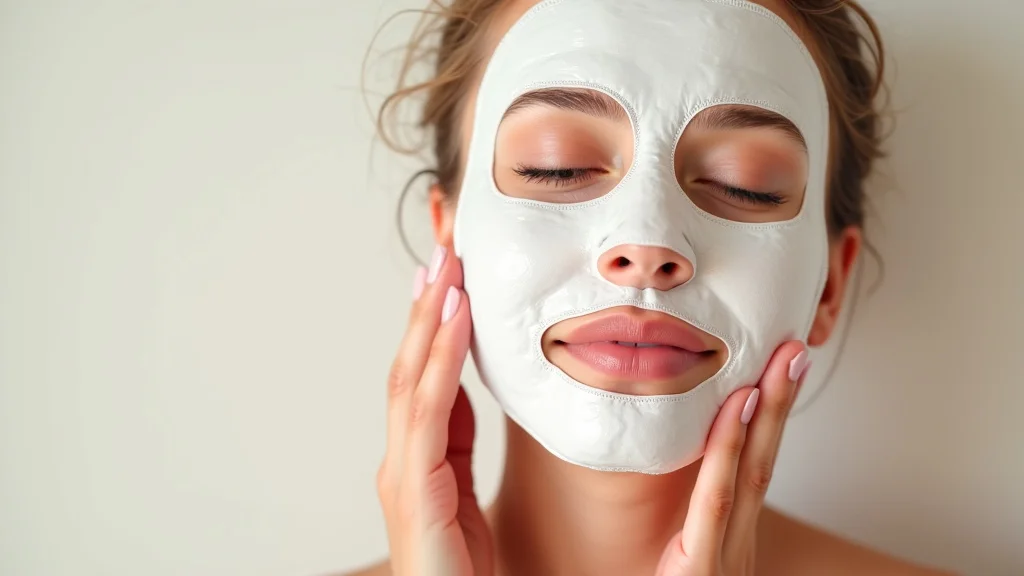
Remember that time you tried a facial mask skincare product on a whim, hoping for instant results? We’ve all been there! The sheer variety of options out there can be overwhelming. This guide cuts through the clutter, offering practical advice and information to help you select the ideal facial masks skincare routine for your skin type. You will gain a clear understanding of the benefits of various mask types, how to use them effectively, and which ingredients to look for. This will improve your skincare approach and boost your confidence.
Key Takeaways
- Discover the diverse types of facial masks available for skincare.
- Learn the benefits of incorporating masks into your skincare routine.
- Understand how to select the right mask for your skin type and concerns.
- Explore the key ingredients to look for in effective facial masks.
- Master the techniques for proper mask application and removal.
- Find tips on how to maximize the effectiveness of your masking sessions.
Unveiling the Benefits of Facial Masks in Skincare
Facial masks are a valuable addition to any skincare routine, offering a concentrated dose of active ingredients directly to the skin. They are designed to address a wide array of skin concerns, from dryness and acne to aging and uneven skin tone. Masks provide an opportunity for deeper penetration of ingredients compared to daily moisturizers or serums. This enhanced absorption can yield quicker and more noticeable results. Masks are a versatile tool, easily customized to meet the ever-changing demands of your skin throughout the seasons or as your needs evolve.
Deep Cleansing and Exfoliation with Masks
Many facial masks, particularly clay and mud masks, excel at deep cleansing. These types of masks work by drawing out impurities, such as excess oil, dirt, and pollutants, that can clog pores and lead to breakouts. They are also known for their ability to gently exfoliate the skin’s surface. Exfoliation removes dead skin cells, revealing a brighter, smoother complexion. Regular use of cleansing masks can help to minimize the appearance of pores and promote overall skin clarity.
- Clay Masks: These are effective at absorbing oil and impurities, making them excellent for oily or acne-prone skin. They often contain ingredients like bentonite or kaolin clay. Clay masks can reduce pore size and control shine.
- Mud Masks: Rich in minerals, mud masks offer both cleansing and nourishing benefits. They can soothe irritated skin and improve skin hydration. The minerals in mud masks are believed to rejuvenate the skin.
- Exfoliating Masks: These masks use physical or chemical exfoliants to remove dead skin cells. This promotes smoother skin texture and a brighter complexion. Exfoliating masks are perfect for addressing dullness and improving overall skin tone.
Clay masks are frequently formulated with different types of clay, each possessing unique properties. Bentonite clay, for instance, is known for its strong absorption capabilities and is commonly used to remove impurities and toxins. Kaolin clay is gentler, making it suitable for sensitive skin. The effectiveness of clay masks is often enhanced by the addition of other ingredients, like charcoal, which boosts the mask’s ability to draw out impurities. Apply a thin, even layer, allow it to dry (but not completely harden), and then remove with warm water.
Mud masks, similar to clay masks, draw out impurities and excess oil. They frequently contain minerals and other beneficial ingredients from the earth. These masks can often provide additional benefits such as improved skin hydration. The mineral content of the mud can also help to soothe and calm irritated skin, making it a good choice for those with sensitive skin. The application is similar to clay masks – apply a thin layer, allow it to dry, and rinse thoroughly with warm water. Look for mud masks from reputable sources to ensure they are free from harmful additives.
Exfoliating masks utilize agents that remove dead skin cells from the surface of the skin. Physical exfoliants, such as micro-grains, offer immediate results, while chemical exfoliants, like AHAs or BHAs, gently dissolve dead skin cells. The type of exfoliating mask that is best for you will depend on your skin type. Over-exfoliation can cause irritation, redness, and sensitivity. Always follow directions and start with low concentrations and gradually increase frequency as your skin can tolerate it. Remember to moisturize after exfoliating.
Hydration and Nourishment from Masks
Hydrating and nourishing masks are critical for maintaining healthy, supple skin. These masks are designed to replenish moisture, improve skin elasticity, and provide essential nutrients. They are particularly beneficial for dry, dehydrated skin, but all skin types can benefit from regular hydration. Incorporating these masks into your routine can help to protect against environmental damage and keep skin looking youthful and radiant.
- Hydrating Masks: These masks are infused with moisturizing ingredients like hyaluronic acid, glycerin, or aloe vera to provide immediate relief for dry skin. They can also help to improve skin’s ability to retain moisture.
- Nourishing Masks: Rich in vitamins, antioxidants, and essential oils, these masks provide the skin with essential nutrients. They also help to protect against free radical damage. Nourishing masks improve skin health and radiance.
- Sheet Masks: Impregnated with serums, sheet masks deliver targeted treatments and provide intense hydration. They are easy to use and can be tailored to address specific skin concerns. Sheet masks provide an immediate glow.
Hydrating masks are a great way to give your skin a boost of moisture, providing immediate relief for dry or dehydrated skin. Hyaluronic acid, a key ingredient, can hold up to 1,000 times its weight in water, helping to plump up the skin and reduce the appearance of fine lines. Glycerin is a humectant that draws moisture from the air into the skin, while aloe vera has soothing and hydrating properties. Apply a generous layer of the mask, let it sit for the recommended time, and then either rinse or massage the excess product into the skin.
Nourishing masks supply the skin with essential vitamins, antioxidants, and oils that support healthy skin function. Ingredients such as Vitamin C provide antioxidant protection and brightening properties. Vitamin E helps protect against free radical damage. These masks typically contain ingredients that are beneficial for various skin types. Application can vary – some masks require rinsing, while others can be left on overnight for deeper penetration of nutrients. This helps to improve skin’s overall health and radiance.
Sheet masks are a convenient and popular method of delivering concentrated skincare ingredients. Usually made of paper, cotton, or other materials, sheet masks are soaked in a serum containing beneficial ingredients, like hyaluronic acid, vitamins, or antioxidants. They work by creating a barrier that prevents the serum from evaporating, allowing for deeper penetration of the ingredients into the skin. After application, the skin feels refreshed and hydrated, making it a quick and effective option for instant skincare benefits. Most sheet masks are designed for single use, but this varies.
Targeted Treatment for Specific Skin Concerns
Beyond general cleansing and hydration, masks can be specifically formulated to address a range of skin concerns, like acne, aging, and hyperpigmentation. These targeted treatments use specialized ingredients to address problems at their source. Including these masks in your routine can yield focused results, helping you to achieve your skincare goals efficiently.
- Acne-Fighting Masks: These masks often contain ingredients such as salicylic acid, benzoyl peroxide, or tea tree oil to combat acne. They help to unclog pores, reduce inflammation, and prevent new breakouts. These can also control oil production.
- Anti-Aging Masks: These masks typically feature ingredients like retinol, peptides, and antioxidants. These masks are formulated to reduce the appearance of wrinkles, improve skin elasticity, and promote a youthful appearance. They also help to reduce the visible signs of aging.
- Brightening Masks: Featuring ingredients like Vitamin C, niacinamide, or alpha-hydroxy acids (AHAs), these masks aim to improve skin tone and reduce hyperpigmentation. They help to fade dark spots and even out skin tone. They also help to brighten and enhance overall skin luminosity.
Acne-fighting masks typically contain ingredients that target the causes of acne, such as excess oil, clogged pores, and inflammation. Salicylic acid, a beta-hydroxy acid (BHA), exfoliates the skin, clearing out pores and reducing blackheads and whiteheads. Benzoyl peroxide kills acne-causing bacteria. Tea tree oil has natural antibacterial and anti-inflammatory properties. The frequency of use for these masks can vary based on their strength and your skin’s tolerance. It is important to start slowly to avoid irritation. Make sure to use sunscreen after using these masks, as they can increase sun sensitivity.
Anti-aging masks contain ingredients that counteract the signs of aging and promote a more youthful appearance. Retinol, a derivative of Vitamin A, helps to stimulate collagen production and reduce the appearance of fine lines and wrinkles. Peptides work to signal the skin to produce more collagen, improving skin elasticity. Antioxidants, like Vitamin C and E, protect against free radical damage, which can accelerate the aging process. The regular use of anti-aging masks can help to maintain a healthy, youthful complexion. Consistent use will increase your chances of seeing these anti-aging benefits.
Brightening masks are designed to target uneven skin tone, dark spots, and dullness, helping to reveal a brighter complexion. Vitamin C, a powerful antioxidant, can help to brighten the skin. Niacinamide, a form of vitamin B3, can reduce hyperpigmentation and improve skin texture. AHAs, like glycolic or lactic acid, exfoliate the skin’s surface, promoting a more even skin tone. Use these masks as directed, and remember to use sunscreen to protect your skin from sun damage.
Selecting the Right Facial Masks for Your Skin
The key to maximizing the benefits of facial masks is choosing the right ones for your specific skin type and concerns. Understanding your skin’s needs is the starting point for effective skincare. Whether your skin is oily, dry, sensitive, or a combination, there is a mask that can help you achieve your goals.
Matching Masks to Skin Types
Choosing a mask that complements your skin type will ensure the best possible results. Every skin type has specific requirements, and using the right products can help you avoid irritation and achieve optimal results. Selecting the correct mask will help you get the maximum benefit.
- Oily Skin: Clay masks, charcoal masks, and masks with salicylic acid are ideal for oily skin. These ingredients are designed to absorb excess oil, minimize pores, and prevent breakouts. Oily skin often benefits from regular cleansing and exfoliation to manage shine and congestion.
- Dry Skin: Hydrating and nourishing masks with ingredients like hyaluronic acid, glycerin, and ceramides are best for dry skin. They help to replenish moisture, improve skin elasticity, and provide essential nutrients. Hydration is key for dry skin.
- Sensitive Skin: Masks that are fragrance-free, hypoallergenic, and formulated with soothing ingredients like aloe vera, chamomile, and calendula are best for sensitive skin. These ingredients help to calm and soothe the skin, reducing the risk of irritation. Sensitive skin requires gentle care.
- Combination Skin: Masks that address multiple concerns are often best for combination skin. Clay masks for the oily T-zone and hydrating masks for the drier cheeks can be used separately. Combination skin requires a balanced approach.
For oily skin, look for masks that help regulate oil production and purify pores. Clay masks are an excellent choice because they absorb excess sebum. Charcoal masks draw out impurities, helping to clear clogged pores. Masks containing salicylic acid help to exfoliate and prevent breakouts by clearing out pores. When choosing a mask for oily skin, aim for a frequency of 1-3 times a week, depending on how your skin responds. This will help to maintain a fresh, matte appearance.
Dry skin benefits from masks that provide intense hydration and nourishment. Look for masks rich in hyaluronic acid, a humectant that draws moisture into the skin, and glycerin. Ceramides help to strengthen the skin’s moisture barrier, preventing water loss. These masks will help to replenish moisture. Apply hydrating masks 1-3 times a week, and consider using overnight masks for deeper hydration. This helps to combat dryness.
Sensitive skin needs extra care, so the ingredients in your masks must be selected carefully. Fragrance-free and hypoallergenic masks are essential. Look for soothing ingredients, such as aloe vera, chamomile, and calendula, which are known for their calming properties. Avoiding harsh chemicals and opting for masks with a simple ingredient list can help you to prevent irritation. Start with a patch test before applying a new mask to your entire face, and always pay close attention to your skin’s response.
Combination skin presents a unique challenge, requiring a targeted approach for different areas of the face. You may find that your T-zone (forehead, nose, and chin) is oily, while your cheeks are dry or normal. You can use clay masks on the oilier areas and hydrating masks on the drier parts of your face. Alternatively, look for masks specifically formulated for combination skin, offering a balance of ingredients. Adjust the frequency of masking according to your skin’s needs, and pay close attention to how your skin responds to different formulations.
Addressing Skin Concerns with Masks
Facial masks can be an effective way to address specific skin concerns. Whether it’s acne, aging, or uneven skin tone, there’s a mask designed to help. Incorporating the appropriate masks into your routine can lead to significant improvements in your skin’s health and appearance.
- Acne and Breakouts: Masks with salicylic acid, benzoyl peroxide, or tea tree oil can help to treat acne. These ingredients help to unclog pores, reduce inflammation, and prevent breakouts. They also help to kill bacteria.
- Fine Lines and Wrinkles: Anti-aging masks with retinol, peptides, and antioxidants can help to reduce the appearance of fine lines and wrinkles. These ingredients promote collagen production and protect against environmental damage. The results will improve over time.
- Hyperpigmentation and Uneven Skin Tone: Masks with Vitamin C, niacinamide, or AHAs can help to reduce hyperpigmentation and even out skin tone. These ingredients help to fade dark spots and brighten the complexion. Consistent use can improve skin luminosity.
Acne-prone skin benefits from masks containing ingredients that target the causes of breakouts. Salicylic acid exfoliates the skin, helping to unclog pores and reduce blackheads and whiteheads. Benzoyl peroxide helps to kill acne-causing bacteria. Tea tree oil has natural antibacterial and anti-inflammatory properties. Be careful not to over-use these masks, as they can be drying. Start with a lower frequency, and always use sunscreen after any mask that contains these ingredients, since they can increase sun sensitivity.
To target fine lines and wrinkles, look for masks with anti-aging ingredients. Retinol helps to stimulate collagen production and reduce the appearance of fine lines and wrinkles. Peptides signal the skin to produce more collagen. Antioxidants help to protect against free radical damage, which accelerates aging. Consistent use can lead to improvements in skin elasticity and a more youthful complexion. Always follow instructions when using these kinds of masks.
For hyperpigmentation and uneven skin tone, choose masks that contain brightening ingredients. Vitamin C helps to brighten the skin and reduce dark spots. Niacinamide can help to reduce hyperpigmentation and improve skin texture. AHAs exfoliate the skin’s surface, helping to promote a more even skin tone. Use sunscreen daily, especially after using these masks. These masks will brighten skin over time.
Mastering the Techniques for Applying and Removing Facial Masks
The right application and removal techniques can greatly affect the effectiveness of your facial masks. Correct methods can boost the benefits and improve your overall skincare experience. Following these steps ensures you are using your masks to their full potential.
Step-by-Step Mask Application
Applying a facial mask correctly will help you to get the most benefits. Proper preparation and application ensures that the mask works as intended and delivers the best possible results. Following these steps will enhance the effectiveness of your masking sessions.
- Cleanse Your Face: Start with a clean face to remove any dirt, oil, or makeup that might interfere with the mask’s effectiveness. Cleansing also prepares your skin.
- Apply Evenly: Use a brush or your fingers to apply a thin, even layer of the mask across your face, avoiding the eye and lip areas. Uniform application ensures even coverage.
- Allow Mask to Set: Let the mask sit for the time recommended on the product’s instructions. Do not leave the mask on longer than directed. Overexposure can lead to dryness.
- Remove Gently: Rinse off the mask thoroughly with lukewarm water. Use gentle motions and avoid scrubbing. Gentle removal protects your skin.
- Follow with Skincare: Finish with a moisturizer or serum to lock in moisture and further enhance the benefits of the mask. This adds a finishing touch.
Before applying a facial mask, it is crucial to start with a clean face. Use a gentle cleanser that suits your skin type to remove any traces of makeup, dirt, oil, and impurities that have accumulated on your skin. Cleaning your face ensures that the mask is applied to a clean surface. This allows the beneficial ingredients to better penetrate your skin, resulting in optimal results. Avoid harsh cleansers that might strip your skin of its natural oils, especially if you have dry or sensitive skin.
Once your face is clean, apply the mask evenly over your entire face, with a brush or your fingertips. This ensures that every part of your skin receives an equal amount of the mask’s beneficial ingredients. When applying, take care to avoid the delicate eye and lip areas, as these regions are typically more sensitive and may not require treatment. An even application enhances the mask’s effectiveness by ensuring that all areas of your face are treated uniformly.
Once the mask is applied, let it sit for the recommended time as stated in the product’s directions. Adhering to the suggested timeframe is crucial to achieving optimal results without overexposing your skin to the mask’s active ingredients. Leaving the mask on for longer than necessary will not necessarily increase its efficacy and could possibly lead to skin irritation or dryness, especially with clay or exfoliating masks. Setting a timer can help ensure you don’t leave the mask on too long. Always follow the guidelines.
After the recommended time, remove the mask by thoroughly rinsing your face with lukewarm water. Use gentle motions, and avoid scrubbing your skin, as this can lead to irritation, especially if you have sensitive skin. Rinsing thoroughly ensures that all traces of the mask are removed, leaving your skin clean and refreshed. Once the mask has been completely removed, gently pat your face dry with a soft towel. Using the right technique is very helpful.
After removing the mask, follow up with the other steps in your skincare routine, which helps maximize the benefits of the mask. Applying a moisturizer helps to lock in moisture, hydrate the skin, and boost the absorption of the mask’s active ingredients. If the mask has exfoliating properties, consider applying a hydrating serum or moisturizer to calm and soothe the skin. These steps help your skin to glow.
Safe Mask Removal Techniques
The way you remove a facial mask can impact its effectiveness and how your skin feels. These removal methods can make the process gentle and effective, leaving your skin refreshed. Gentle methods can protect your skin.
- Rinsing: Use lukewarm water to rinse the mask off gently. Avoid using hot water, as it can dry out your skin. Rinsing is a simple method.
- Using a Washcloth: Gently wipe the mask off with a soft washcloth soaked in lukewarm water. This helps remove the mask efficiently. Gentle wiping is an option.
- Avoiding Harsh Scrubbing: Never scrub your face vigorously. This can cause irritation and damage the skin’s protective barrier. Gentle actions are best.
Rinsing the mask off with lukewarm water is a gentle and effective method of removal. It helps in thoroughly removing the mask’s residue without causing irritation. Make sure that the water temperature is neither too hot, which can dry out your skin, nor too cold, which might not effectively remove all the product. Using lukewarm water, gently massage your face in circular motions to loosen the mask. Rinse your face until all the mask residue is gone, and then pat your skin dry with a soft towel. Make sure your skin is rinsed clean.
A washcloth is a practical option for mask removal, providing a gentle yet effective way to eliminate the product residue. Soak a soft washcloth in lukewarm water, then gently wipe your face in circular motions to loosen and remove the mask. Be careful to avoid scrubbing, as this can irritate your skin, particularly if you have sensitive skin or have used an exfoliating mask. When using a washcloth, rinsing it frequently in clean water will ensure that you don’t reapply the mask residue to your skin. Pat your face dry after removal.
Avoid harsh scrubbing to protect your skin’s health and maintain its natural protective barrier. Vigorous scrubbing can lead to irritation, redness, and even micro-tears in the skin, which can increase the risk of inflammation and damage. If you have used an exfoliating mask, or if your skin is sensitive, the risk of damage is even greater. Instead of scrubbing, use gentle motions and lukewarm water, or use a soft washcloth. If you face is not rinsed correctly, then your skin can be negatively affected.
Enhancing Your Masking Experience
You can maximize the benefits of your facial masks by adding a few steps to your routine. These small improvements can provide a more pleasant and effective masking experience. These can enhance your results.
Creating the Right Environment
Creating the best setting can affect your skincare experience. You can turn your routine into a relaxing, spa-like treat. The right environment can enhance the benefits.
- Relax: Find a quiet and comfortable place to relax while the mask works. This helps with the process.
- Warm Water: Use warm water to open your pores before applying the mask. This helps with the results.
- Steam: Consider using a facial steamer to open up your pores. This will help with the process.
Taking some time to relax during your masking session can boost its benefits. This means finding a quiet, comfortable spot where you can unwind. Consider listening to soothing music, lighting some candles, or reading a book while the mask works its magic. When you relax, you help your body. This lowers your stress levels. This increases the effectiveness of the mask’s ingredients by enhancing blood circulation and facilitating absorption.
Preparing your skin by using warm water can help maximize the effects of your facial mask. Warm water helps to open your pores, allowing the mask’s active ingredients to penetrate more easily. Before application, gently splash your face with warm water or hold a warm, damp washcloth over your face for a few minutes. This can significantly improve the mask’s efficacy by boosting ingredient absorption. Do not use hot water. Also, do not use boiling water. Warm water is the best way to get ready.
Using a facial steamer can further enhance the effectiveness of your masking routine. Facial steamers emit warm steam that gently opens the pores, clearing away impurities and facilitating deeper penetration of the mask’s ingredients. Using a facial steamer for 5-10 minutes before applying your mask will prepare your skin for maximum absorption. Facial steaming is beneficial. This is particularly helpful for clay masks. Always follow the manufacturer’s instructions and maintain a safe distance from the steam to prevent burning.
Boosting Mask Effectiveness
You can boost the effectiveness of your masks by adding a few extra steps to your routine. These small improvements will improve your results. These will give you better results.
- Exfoliate First: Exfoliating before masking can help remove dead skin cells. This will improve penetration.
- Layer Products: Applying a serum or essence before your mask can boost your results. This will make your results better.
- Hydrate from Within: Drink plenty of water to hydrate your skin from the inside out. This improves results.
Exfoliating before applying a facial mask can enhance its effectiveness by removing dead skin cells and clearing the way for the active ingredients to better penetrate your skin. Exfoliation ensures that the mask’s ingredients can directly interact with fresh skin cells, maximizing their benefits. Consider using a gentle exfoliating scrub or chemical exfoliant. Always follow with a hydrating mask to replenish moisture after exfoliation. This helps to maximize the benefits.
Layering a serum or essence before applying your facial mask can help maximize the benefits. Serums and essences contain highly concentrated active ingredients that target specific skin concerns, such as hydration, anti-aging, or brightening. Applying one before your mask will provide an extra boost. For example, if you’re using a hydrating mask, try applying a hydrating serum beforehand. The mask will then work in tandem with the serum. This results in enhanced absorption. Layering is a powerful method. The result is better, more effective results.
Drinking enough water is an important aspect of any skincare routine. Proper hydration helps to maintain the skin’s natural moisture barrier, making it more plump and supple. By drinking enough water, you support the mask’s ability to provide hydration from both the outside and inside. A well-hydrated body facilitates a better response to topical treatments. So, try to drink the recommended amount of water throughout the day. It will enhance your masking results.
Common Myths Debunked
There are many false ideas about facial masks skincare. Knowing the truth will help you make better choices for your skin. Recognizing the misconceptions can improve your routine.
Myth 1: Masks are only for special occasions.
Many people believe that facial masks should only be used on special occasions or for a deep cleanse. The reality is that masks can be integrated into your regular skincare routine for ongoing benefits. Regular use of masks can help maintain healthy, glowing skin.
Myth 2: All masks are the same.
Some people think that all masks offer the same benefits. In truth, there is a diverse range of masks available, each formulated to address various skin concerns and skin types. You can choose different masks based on your skin’s needs.
Myth 3: Masks should be left on until they are completely dry.
The belief that masks must dry completely to be effective is a common misconception. Allowing certain mask types, especially clay or mud masks, to dry completely can strip the skin of its natural oils. This can lead to dryness. Always follow the product’s directions for optimal use.
Myth 4: Expensive masks are always better.
The cost of a mask does not guarantee its quality or effectiveness. You can often find great facial masks at various price points. Read the ingredient list and consider your skin’s needs when choosing a mask. Affordable masks can be very effective.
Myth 5: You don’t need a moisturizer after using a mask.
Many people believe that masks alone are enough. In fact, following a mask with a moisturizer is an important step in a skincare routine. This helps to lock in moisture and maximize the benefits of the mask. Applying a moisturizer helps to hydrate skin.
Frequently Asked Questions
Question: How often should I use a facial mask?
Answer: The frequency of use depends on your skin type and the type of mask. Generally, 1-3 times a week is suitable.
Question: Can I use a facial mask every day?
Answer: It is generally not recommended to use masks every day, as overuse can lead to irritation or dryness.
Question: What is the best mask for acne-prone skin?
Answer: Clay masks and masks with salicylic acid or tea tree oil are often best for acne-prone skin.
Question: Can I make my own facial masks at home?
Answer: Yes, you can make some facial masks at home using natural ingredients, but always perform a patch test first.
Question: Are there any side effects of using facial masks?
Answer: Side effects are rare, but it is important to follow instructions and do a patch test before using a new mask. Always follow instructions.
Final Thoughts
Facial masks skincare can dramatically improve your skincare routine. Incorporating masks into your regular routine offers an array of benefits, from deep cleansing and hydration to targeted treatment of specific skin concerns. Selecting the right mask for your skin type and concerns is crucial. Proper application and removal techniques guarantee that you get the most from your masking sessions. Remember to create the right environment for your masking, and consider layering products. Debunking common myths, and understanding the importance of consistent use, will help you reach your skin goals. Embrace the journey and enjoy the process. Explore different mask types. Experiment with ingredients, and pay attention to how your skin responds to each product. With a little experimentation, you can achieve glowing, healthy skin.
Leave a Reply