


Remember that time you promised yourself a spa day but ended up binge-watching your favorite show instead? We’ve all been there! But what if you could bring the spa experience to your living room? Enter facial sheet masks. These convenient little skincare saviors are packed with potent ingredients ready to transform your skin. This post will show you how these masks work, what benefits they offer, and how to choose the right one for your skin type. You’ll gain a deeper knowledge of facial sheet masks and how to incorporate them into your routine for a healthier, more radiant complexion. Get ready to discover your best skin yet!
Key Takeaways
- Learn about the different types of facial sheet masks and their ingredients.
- Discover how facial sheet masks improve skin hydration and elasticity.
- Understand the specific benefits of sheet masks for various skin types.
- Get tips on how to properly use and maximize the effectiveness of sheet masks.
- Explore popular mask ingredients and their effects on your skin.
- Find out how to choose the right facial sheet mask for your specific needs.
Understanding Facial Sheet Masks and Their Role
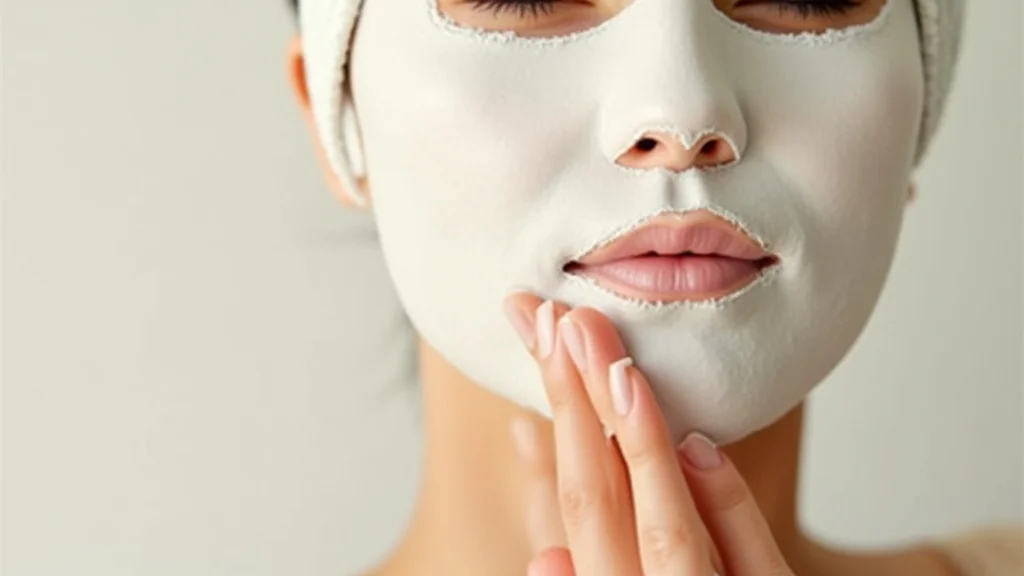
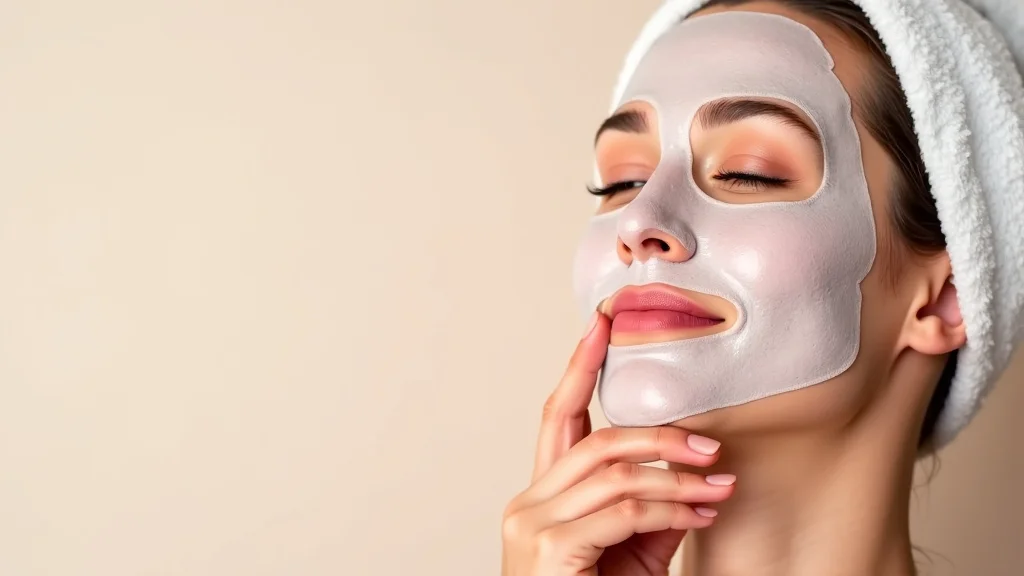
Facial sheet masks are thin, pre-cut sheets, usually made of materials like paper, cotton, or hydrogel, saturated with a serum. They’re designed to fit snugly over your face, delivering a concentrated dose of active ingredients directly to your skin. Unlike traditional masks that you rinse off, sheet masks stay on your face for a set amount of time, allowing the serum to fully penetrate the skin. This direct contact maximizes absorption and delivers noticeable results faster than many other skincare products.
The origins of sheet masks trace back to South Korea, where they quickly gained popularity due to their effectiveness and ease of use. They provided an accessible, at-home solution for achieving the coveted “glass skin” look, characterized by a smooth, dewy complexion. Their convenience and targeted formulations have made them a staple in many skincare routines worldwide. They offer a quick and effective way to address various skin concerns such as dryness, dullness, fine lines, and acne.
How Facial Sheet Masks Work
The magic behind facial sheet masks lies in their design and the ingredients they contain. The sheet itself acts as a barrier, preventing the serum from evaporating. This barrier effect forces the serum into the skin, enhancing its absorption. The serum is packed with active ingredients like hyaluronic acid, vitamins, and antioxidants that target specific skin concerns. The mask also gently cools the skin, reducing inflammation and redness.
The physical design of a sheet mask also contributes to its effectiveness. The close fit of the mask ensures that the serum makes direct contact with the skin, allowing for deeper penetration of the active ingredients. The occlusive nature of the mask creates a humid environment, which helps to soften the skin and open up pores, making it easier for the serum to be absorbed. This process leads to enhanced hydration, improved skin texture, and a more radiant complexion.
- Enhanced Hydration: Sheet masks are incredibly hydrating. The serum’s concentrated ingredients deeply moisturize the skin.
- Increased Absorption: The sheet mask’s close fit maximizes the absorption of beneficial ingredients.
- Targeted Treatment: Masks are formulated to address specific skin concerns, such as acne or aging.
The Ingredients in Facial Sheet Masks
The effectiveness of a facial sheet mask depends heavily on its ingredients. Common ingredients include hyaluronic acid for hydration, antioxidants like vitamin C and green tea extract to combat free radicals, and ceramides to strengthen the skin barrier. Other beneficial ingredients might include niacinamide for improving skin tone and texture, and various plant extracts that soothe and calm the skin.
Understanding the ingredients allows you to choose masks best suited to your needs. For example, if you have dry skin, look for masks rich in hyaluronic acid and ceramides. If you are concerned about aging, opt for masks containing antioxidants and peptides. Be mindful of potential allergens or irritants, and always check the ingredient list before applying a new mask.
- Hyaluronic Acid: A powerful humectant that attracts and retains moisture.
- Vitamin C: An antioxidant that brightens the skin and protects against damage.
- Green Tea Extract: Calms inflammation and protects against free radicals.
- Ceramides: Strengthen the skin’s protective barrier.
Benefits of Using Facial Sheet Masks
Incorporating facial sheet masks into your routine offers a multitude of benefits for your skin. They provide an immediate boost of hydration, leaving your skin feeling plump and refreshed. Regular use can improve skin texture, reduce the appearance of fine lines, and enhance overall radiance. The benefits depend on the ingredients in the mask and the skin concerns you want to address.
Sheet masks offer convenience and targeted treatment. They’re easy to use, requiring just a few minutes of your time. Unlike some skincare routines that demand multiple steps and products, sheet masks deliver concentrated benefits in a single application. This makes them a great option if you have a busy lifestyle. They are also cost-effective and allow for experimentation with various ingredients and formulations.
Hydration and Moisture Retention
One of the primary benefits of facial sheet masks is their ability to deliver intense hydration. The serum is often packed with humectants, such as hyaluronic acid, which draw moisture to the skin. The mask itself prevents the serum from evaporating, allowing for maximum absorption. This can result in instantly plump, hydrated, and refreshed skin.
Dehydration can lead to dull skin, fine lines, and a loss of elasticity. By regularly using sheet masks, you can replenish your skin’s moisture reserves, improve its overall health, and maintain a youthful glow. Proper hydration is also essential for the skin’s barrier function, helping it to protect itself from environmental stressors.
- Instant Plumping: Hyaluronic acid helps to plump the skin, reducing the appearance of fine lines.
- Improved Elasticity: Hydrated skin is more elastic and resilient.
- Enhanced Barrier Function: Hydrated skin is better able to protect against external aggressors.
Targeted Skin Concerns
Facial sheet masks are designed to target specific skin concerns. From acne and aging to brightening and soothing, there is a mask for almost every need. Masks often contain ingredients known for their effectiveness in addressing certain issues. For instance, masks designed for acne might include salicylic acid, while those for anti-aging could feature peptides and retinol.
This targeted approach allows you to customize your skincare routine based on your current needs. Whether you’re dealing with a breakout, trying to reduce the appearance of wrinkles, or simply looking to enhance your skin’s radiance, a sheet mask can provide the concentrated treatment you need. By choosing masks with ingredients that align with your skincare goals, you can optimize your results and achieve a healthier complexion.
- Acne Treatment: Masks with ingredients like salicylic acid and tea tree oil can help clear up breakouts.
- Anti-Aging: Masks containing peptides, retinol, and antioxidants can reduce the appearance of wrinkles.
- Brightening: Masks with vitamin C and niacinamide can brighten the skin and even out skin tone.
Convenience and Ease of Use
Sheet masks are incredibly convenient and easy to incorporate into your skincare routine. Unlike other masks that require mixing or washing off, sheet masks are ready to use. They require only a few minutes of your time, making them suitable for any lifestyle. This ease of use makes sheet masks an excellent choice for those with busy schedules or who are new to skincare.
Using a sheet mask is a simple process. Just cleanse your face, apply the mask, leave it on for the recommended time (typically 15-20 minutes), and then remove it. There is no mess or fuss, and there is no need to rinse your face afterward (unless instructed). Their convenience and effectiveness have made sheet masks a popular choice for quick, at-home skincare treatments.
- Cleanse your face.
- Apply the mask.
- Relax for 15-20 minutes.
- Remove and gently pat in any remaining serum.
Choosing the Right Facial Sheet Mask
With a wide variety of facial sheet masks available, choosing the right one for your skin type and concerns is essential. Understanding your skin type and specific skincare goals will guide you in selecting the ideal mask. Consider the ingredients, the mask’s material, and any additional features that may be beneficial. Selecting a mask with the appropriate ingredients will allow you to achieve the best results.
If you have sensitive skin, opt for masks that are fragrance-free and formulated with gentle, soothing ingredients. Those with oily skin should look for masks with oil-controlling ingredients like tea tree oil or clay. Dry skin types will benefit from masks that provide deep hydration. By taking the time to match your mask with your skin’s needs, you can maximize its effectiveness and avoid potential irritation.
Skin Type Considerations
Your skin type plays a key role in choosing the appropriate facial sheet mask. If you have dry skin, look for masks that offer intense hydration, containing ingredients like hyaluronic acid, ceramides, and glycerin. For oily skin, opt for masks with ingredients that can control oil production, such as tea tree oil or clay, or look for lightweight, water-based serums.
Combination skin requires a balance. You can select masks that address both dry and oily areas. For sensitive skin, select masks that are hypoallergenic, fragrance-free, and contain soothing ingredients like aloe vera or chamomile. If you are unsure of your skin type, consider visiting a dermatologist for a professional assessment.
| Skin Type | Mask Recommendations |
|---|---|
| Dry Skin | Hydrating masks with hyaluronic acid, ceramides, and glycerin. |
| Oily Skin | Oil-controlling masks with tea tree oil, clay, or charcoal. |
| Combination Skin | Masks that balance hydration and oil control. |
| Sensitive Skin | Hypoallergenic, fragrance-free masks with soothing ingredients like aloe vera. |
Understanding Ingredients and Their Effects
Familiarizing yourself with the ingredients will empower you to make informed decisions. Ingredients like hyaluronic acid are ideal for hydration. Antioxidants such as vitamin C help brighten the skin. Ceramides help to strengthen the skin barrier. Understanding the role of each ingredient allows you to select masks that are most likely to provide your desired results.
Pay attention to any potential allergens or irritants in the ingredients list. If you know you have sensitivities to particular substances, always check the label. You should always perform a patch test when trying a new mask by applying it to a small area of your skin and waiting for 24 hours to check for any adverse reactions.
- Hyaluronic Acid: Provides deep hydration, plumping the skin.
- Vitamin C: Brightens skin and protects against free radicals.
- Green Tea Extract: Soothes inflammation and offers antioxidant benefits.
- Ceramides: Reinforce the skin’s barrier for a healthier look.
Material Matters
The material of a facial sheet mask affects its performance and comfort. Common materials include cotton, hydrogel, and microfiber. Cotton masks are the most affordable and widely available. They are absorbent and hold a good amount of serum. Hydrogel masks are known for their cooling and soothing properties. Microfiber masks offer a close fit and excellent absorption.
The material affects how well the serum adheres to the skin and how it feels during use. The material can also affect the experience, particularly for those with sensitive skin. Each material offers unique benefits; understanding these differences will allow you to choose a mask that suits your needs.
How to Maximize Your Sheet Mask Results
To get the most out of your facial sheet masks, follow a few simple steps. Start with a clean face to ensure the serum can effectively penetrate your skin. Apply the mask and leave it on for the recommended time. Gently pat any remaining serum into your skin after removing the mask. By following these simple steps, you can help enhance your results.
Regular use of sheet masks can enhance the benefits. Consistency is key, whether you use them daily or a few times a week, depending on your skin type and concerns. Store masks properly to maintain their efficacy. Incorporating sheet masks into your skincare routine will give your skin the support it needs to stay healthy and vibrant.
Preparing Your Skin
Before applying a facial sheet mask, prepare your skin to maximize its effectiveness. Start with a clean face. Use a gentle cleanser to remove any makeup, oil, and impurities. Cleansing creates a clean base for the mask to work and allows the active ingredients to penetrate the skin more effectively. Exfoliating once or twice a week is also important.
Following cleansing, you can tone your skin. This balances the skin’s pH levels and helps prepare it for the mask. For those with dry skin, applying a serum before the sheet mask can amplify the hydrating effects. Make sure your skin is slightly damp, as the moisture helps the mask adhere and absorb the serum.
- Cleanse your face thoroughly.
- Exfoliate once or twice weekly.
- Tone your skin.
- Apply any serums if desired.
Applying and Removing Your Mask
Applying the mask correctly ensures you get the most out of it. Carefully remove the mask from its packaging and unfold it. Place the mask onto your face, aligning the openings for your eyes, nose, and mouth. Gently smooth the mask onto your skin, ensuring it makes close contact across your face. Remove any air bubbles or folds for optimum absorption.
After the recommended time, remove the mask. Avoid leaving the mask on for longer than suggested, as it can start to dry and draw moisture from your skin. Gently pat any remaining serum into your skin. You should not wash your face afterward (unless instructed). Complete your routine with a moisturizer to lock in the benefits.
- Proper Alignment: Ensure a close fit by aligning openings.
- Recommended Time: Adhere to the specified time for the best results.
- Gently Pat: Gently pat any remaining serum into the skin.
Frequency of Use
How often you use facial sheet masks depends on your skin type, concerns, and lifestyle. If you have dry skin, you might benefit from using a sheet mask daily or several times a week. Those with oily skin might use masks less frequently. The key is to find what works best for your skin and maintain a consistent routine.
You can mix sheet masks to suit your needs. You can alternate between hydrating, brightening, and other masks to address different concerns. However, if you are unsure, you should start gradually and observe how your skin reacts. Always patch-test a new mask to avoid possible irritation.
Common Myths Debunked
Myth 1: Sheet Masks Replace Other Skincare
Some believe that sheet masks can completely
Sheet masks can improve the benefits of your existing routine. They provide a boost of hydration, targeted ingredients, or soothing properties. They work best when combined with other products that address your skin’s overall health. Sheet masks are an excellent addition, not a replacement.
Myth 2: Sheet Masks Are Only for Dry Skin
The belief that sheet masks are only for dry skin is a common misconception. While hydrating masks are great for dry skin, a wide variety of sheet masks address various skin concerns. Masks containing oil-controlling ingredients are ideal for oily skin, while brightening masks can help even out skin tone. Many types of masks target different issues.
With an array of formulations, sheet masks can be part of any skincare routine, no matter your skin type. Look for masks with ingredients best for your particular needs, whether it’s managing oil, treating acne, or improving aging skin. Finding the right mask ensures you get the most from it.
Myth 3: More Time Means Better Results
Some people believe leaving a sheet mask on for longer than the recommended time boosts its effectiveness, but this is incorrect. Leaving a sheet mask on for too long can backfire. The mask can start to dry, causing it to draw moisture from the skin. It can also cause irritation if the mask has been left on for too long.
Adhering to the recommended use time ensures the mask works as intended. This allows for optimal ingredient absorption. Always follow the guidelines on the packaging for the best results and avoid possible skin irritation. If the mask dries out, remove it and follow up with a moisturizer to help hydrate your skin.
Myth 4: Sheet Masks Are All the Same
The thought that all sheet masks are the same is untrue. Sheet masks come in many forms, with different ingredients and materials. They are designed to meet various skin concerns and provide different benefits. From cotton to hydrogel, the material affects how the mask interacts with your skin.
Always research and select a sheet mask that addresses your specific skincare goals. Read the ingredients, consider your skin type, and choose a mask best for your skin’s needs. The quality and formulation of sheet masks will determine the effectiveness and how they perform.
Myth 5: Sheet Masks Are a Waste of Money
Some believe that sheet masks offer little value for the cost. However, a quality sheet mask can be an efficient way to deliver highly concentrated ingredients for targeted skin benefits. They provide instant results, and many see improvements in their skin’s hydration, texture, and radiance. Many users find them to be a beneficial part of their routine.
Sheet masks are a cost-effective choice for those wanting to maintain a comprehensive skincare regimen. When incorporated into a regular routine, they can enhance your other products’ performance. Evaluate the ingredients, the intended effect, and how it aligns with your skincare routine. The value comes from the ease, benefits, and results.
Frequently Asked Questions
Question: How often should I use a facial sheet mask?
Answer: The frequency depends on your skin type and needs. For dry skin, you can use them daily. For oily skin, a few times a week is sufficient. Listen to your skin and adjust the frequency as needed.
Question: Can I reuse a facial sheet mask?
Answer: No, you should not reuse a facial sheet mask. They are designed for single use. Reusing them can harbor bacteria and reduce their effectiveness.
Question: Are facial sheet masks suitable for all skin types?
Answer: Yes, there is a sheet mask for every skin type. Choose masks with ingredients tailored to your specific skin concerns, such as hydrating ingredients for dry skin and oil-controlling ingredients for oily skin.
Question: What’s the best time to use a facial sheet mask?
Answer: Any time is a good time! Many people use them in the morning to hydrate and prep their skin for makeup or in the evening as part of a relaxing skincare routine.
Question: Should I rinse my face after using a facial sheet mask?
Answer: Generally, you don’t need to rinse your face after using a sheet mask unless the packaging specifically advises it. Gently pat the remaining serum into your skin and follow with moisturizer.
Final Thoughts
Facial sheet masks have become a skincare staple for good reason. They are convenient, effective, and offer a wide range of benefits for all skin types. From hydrating dry skin to helping balance oily skin, these masks make it easy to address your specific skincare needs. By understanding the ingredients, choosing the right mask for your skin type, and following the proper application techniques, you can transform your routine. Consider the materials, ingredients, and frequency of use to get the best results.
Start today by exploring the wide array of sheet masks available. Try a few different ones to find those that best suit your skin. Regularly incorporate them into your skincare routine to experience the noticeable improvements in your skin. With consistent use and a little experimentation, you’ll be well on your way to achieving a healthier, more radiant complexion. Embrace the spa-like experience and enjoy the benefits of glowing skin!
Leave a Reply