


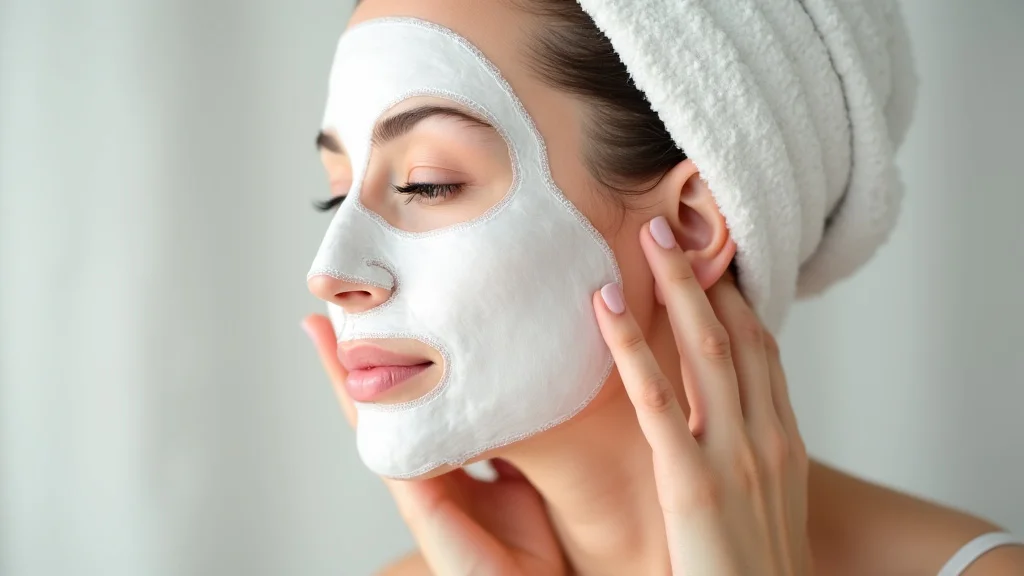
Remember that time you promised yourself a spa day but got sidetracked by chores, work, and everything else life throws your way? We’ve all been there! Finding time for self-care can be tough. But what if you could achieve spa-like results from the comfort of your home? This guide explores the wonderful world of facial masks for women, helping you discover the perfect one for your skin type and concerns. You’ll learn about different ingredients, their benefits, and how to create a simple facial mask routine. This will help you keep your skin glowing, improve your skincare regime, and embrace a healthier self-care approach. You’ll also learn the benefits of applying facial masks for women for all types of skin. Prepare to transform your skincare and embrace radiant, healthy skin!
Key Takeaways
- Learn about different types of facial masks and their ingredients.
- Understand how to choose a facial mask that suits your skin type.
- Discover the benefits of incorporating facial masks into your skincare routine.
- Find out how to apply and remove facial masks correctly for optimal results.
- Gain insights on addressing specific skin concerns with targeted facial masks.
- Get tips on DIY facial mask recipes for a natural and affordable skincare solution.
Unlocking the Power of Facial Masks for Women
The beauty industry offers a vast array of skincare products, but few are as versatile and beneficial as facial masks. These masks offer a concentrated dose of active ingredients, allowing for deep cleansing, hydration, and targeted treatment of various skin concerns. From dry and sensitive skin to oily and acne-prone complexions, there is a facial mask crafted to meet your individual needs. By incorporating these into your regimen, you give your skin the attention it deserves, promoting a healthier, more radiant appearance. The journey to glowing skin starts with the right facial mask.
The Science Behind Facial Masks
Facial masks work through a combination of physical and chemical processes. First, they create a barrier on the skin’s surface, which helps trap moisture and increase the skin’s hydration levels. This allows the active ingredients to penetrate deeper into the skin. As the mask dries or hardens, it gently pulls away impurities like excess oil and dead skin cells. This cleansing action helps unclog pores and improve skin texture. Different ingredients also deliver specific benefits, such as antioxidants to combat free radicals or soothing agents to reduce inflammation. The effectiveness of a facial mask depends on its formulation, the skin’s specific needs, and how consistently it’s used.
- Occlusion: Masks create a barrier that traps moisture, improving hydration and allowing active ingredients to penetrate the skin better.
- Absorption: The skin absorbs beneficial ingredients from the mask, such as vitamins, antioxidants, and hydrating components.
- Exfoliation: Some masks contain exfoliating agents that gently remove dead skin cells, revealing smoother skin.
- Targeted Treatment: Masks are formulated to address specific skin concerns, providing benefits such as reducing inflammation, controlling oil production, or brightening the complexion.
- Enhanced Circulation: Applying a mask can improve blood flow, promoting healthier, more radiant skin.
The science is simple: facial masks are a powerful tool for skin health, delivering targeted treatments and enhancing your overall skincare routine.
Different Types of Facial Masks
The world of facial masks is diverse, with numerous types catering to various skin types and concerns. Clay masks are popular for oily skin, as they absorb excess oil and impurities, minimizing pores. Sheet masks, made from materials like paper or hydrogel, are soaked in serum and offer intense hydration and targeted treatments. Peel-off masks work by drying on the face and then being peeled off, removing dead skin cells and blackheads. Cream masks are generally hydrating, ideal for dry or sensitive skin. Gel masks are often cooling and soothing, great for irritated skin. Knowing the different varieties and their key functions is vital in choosing the right mask for your skincare routine.
- Clay Masks: These masks are excellent for absorbing oil and impurities, making them a great choice for oily and acne-prone skin. They often contain kaolin or bentonite clay, which draws out dirt and excess sebum.
- Sheet Masks: These are pre-cut masks soaked in serum, offering intense hydration and targeted treatments. They are usually single-use and can provide benefits such as brightening, hydrating, or soothing the skin.
- Peel-Off Masks: They dry on the face and are peeled off, removing dead skin cells and blackheads. These masks can leave the skin feeling smoother and more refreshed.
- Cream Masks: Cream masks are typically hydrating and ideal for dry or sensitive skin types. They often contain moisturizing ingredients like hyaluronic acid and shea butter.
- Gel Masks: These masks are cooling and soothing, suitable for irritated or sensitive skin. They often feature ingredients like aloe vera and are perfect for a refreshing sensation.
Choosing the right type depends on your skin type and your skincare goals.
How to Choose the Right Facial Mask for Your Skin
Selecting the correct facial mask is key to maximizing its benefits. First, identify your skin type. Is your skin oily, dry, combination, sensitive, or normal? Oily skin benefits from clay or charcoal masks, which can absorb excess oil. Dry skin craves hydration, so cream or hydrating sheet masks are best. Combination skin may require different masks for different areas of the face, such as a clay mask for the T-zone (forehead, nose, and chin) and a hydrating mask for the cheeks. Sensitive skin demands gentle, fragrance-free formulations with soothing ingredients. Consider your skin concerns, such as acne, fine lines, or dullness. Look for masks with ingredients targeted at those issues, like salicylic acid for acne or antioxidants for anti-aging. Remember, patch-test new masks on a small area of your skin before applying them to your entire face to make sure you have no reaction.
- Oily Skin: Seek clay or charcoal masks, that help absorb oil and minimize pores.
- Dry Skin: Opt for cream or hydrating sheet masks that provide moisture and replenish hydration levels.
- Combination Skin: Experiment with different masks for different areas, using clay masks for the T-zone and hydrating masks for the cheeks.
- Sensitive Skin: Choose gentle, fragrance-free formulations with soothing ingredients to avoid irritation.
- Specific Concerns: Target masks with ingredients like salicylic acid for acne or antioxidants for anti-aging.
Selecting the right facial mask is crucial for effective skincare.
Ingredients to Look For in Facial Masks
The ingredients in a facial mask determine its effectiveness. Understanding these ingredients helps you pick the most beneficial masks for your skin’s needs. Hydrating masks often feature ingredients like hyaluronic acid and glycerin, which attract and retain moisture. For acne-prone skin, look for masks with salicylic acid or benzoyl peroxide, which can unclog pores and fight bacteria. Antioxidant-rich ingredients like vitamin C and green tea extract can protect against free radicals and improve skin tone. Soothing ingredients like aloe vera and chamomile are perfect for sensitive skin. Natural ingredients like honey, oatmeal, and fruit extracts offer a gentle approach to skincare, providing nourishment and a natural glow. The right ingredients, combined in the correct formulation, provide targeted skincare.
Key Ingredients and Their Benefits
Each ingredient in a facial mask plays a unique role in enhancing skin health. Hyaluronic acid is a powerful humectant, drawing moisture into the skin and keeping it hydrated. Salicylic acid is a beta-hydroxy acid (BHA) that exfoliates the skin, unclogs pores, and reduces acne. Vitamin C is a potent antioxidant that brightens the complexion, protects against free radicals, and supports collagen production. Ceramides help restore the skin’s natural barrier, protecting against moisture loss and environmental damage. Niacinamide, a form of vitamin B3, reduces inflammation, minimizes pores, and improves skin tone. By understanding these ingredients, you can make informed decisions when selecting facial masks and tailoring your routine to your specific needs.
- Hyaluronic Acid: Acts as a humectant, drawing moisture into the skin, keeping it hydrated.
- Salicylic Acid: Exfoliates, unclogs pores, and reduces acne, perfect for treating blemishes.
- Vitamin C: Brightens the complexion, protects against free radicals, and supports collagen production.
- Ceramides: Restores the skin’s natural barrier, protecting against moisture loss and damage.
- Niacinamide: Reduces inflammation, minimizes pores, and improves skin tone.
The right combination of ingredients can provide incredible benefits for your skin.
Natural vs. Synthetic Ingredients
The debate between natural and synthetic ingredients in facial masks is ongoing. Natural ingredients like honey, aloe vera, and plant extracts are often gentle and suitable for sensitive skin. They can provide antioxidants, vitamins, and other nutrients that support skin health. Synthetic ingredients, such as certain preservatives and emulsifiers, are developed in laboratories. They’re often designed to increase the shelf life and effectiveness of the products. Both types of ingredients can be effective, but the choice is based on personal preference and skin needs. Some people prefer natural options because they avoid harsh chemicals. Others trust synthetic options for their proven performance and long-lasting results. Always look at the ingredient list and consider what’s best for your skin.
- Natural Ingredients: Include ingredients like honey, aloe vera, and plant extracts. Generally gentler and suitable for sensitive skin, they offer antioxidants, vitamins, and nutrients.
- Synthetic Ingredients: These are developed in labs and can be effective. They’re often used to increase the shelf life and performance of the product.
- Considerations: Choosing between natural and synthetic comes down to personal preference and skin needs. Look at the ingredient list and decide what’s best for your skin.
- Benefits: Both types of ingredients can be effective in skincare. The best option is the one that suits your needs.
The ingredients used make up the mask’s overall effectiveness, with both natural and synthetic options having their place in skincare.
Applying and Removing Facial Masks Correctly
Proper application and removal are as important as the mask itself. Start by cleansing your face thoroughly to remove makeup, oil, and impurities. Applying the mask to a clean canvas maximizes its effectiveness. Using a clean brush or your fingertips, apply the mask evenly over your face, avoiding the eye and mouth areas. Follow the product instructions for the recommended time, usually 10-20 minutes. It’s important not to leave the mask on longer than directed, as this can lead to dryness or irritation. When removing the mask, use warm water and gently massage your face in circular motions. For peel-off masks, gently peel from the edges. Pat your face dry with a soft towel, and finish with a moisturizer to seal in the benefits of the mask. This process, done with care, supports healthy skin.
Step-by-Step Application Guide
Applying a facial mask properly enhances its effectiveness. First, cleanse your face. Pat dry with a clean towel. Use a clean brush or your fingertips to apply the mask. Apply an even layer, avoiding the delicate eye and mouth areas. Follow the instructions on the product label for the recommended time, usually 10-20 minutes. Relax during this time. Do not leave the mask on longer than directed. Leaving the mask on too long can cause dryness. Once the time is up, use warm water to rinse off the mask, massaging gently in circular motions. Pat your face dry with a clean towel and follow with a moisturizer. This routine ensures your skin receives the full benefits.
- Cleanse: Start with a clean face. Remove makeup, oil, and impurities by washing your face with a gentle cleanser. Pat your face dry with a soft towel.
- Application: Using a clean brush or your fingertips, apply the mask evenly over your face, avoiding the eye and mouth areas.
- Rest: Follow the product instructions for the recommended time, typically 10-20 minutes. Relax during this time.
- Removal: Use warm water and gently massage your face in circular motions to remove the mask. For peel-off masks, gently peel from the edges.
- Moisturize: Pat your face dry with a soft towel and finish with a moisturizer to seal in the benefits of the mask.
Following this process ensures optimal results.
Tips for Removing Facial Masks
The way you remove a facial mask can affect its benefits and your skin’s health. For clay masks, dampen a soft cloth with warm water and gently wipe the mask off in circular motions. This helps to loosen the mask and prevent irritation. Sheet masks can be gently patted into the skin after removal to absorb any remaining serum. For peel-off masks, start peeling from the edges and peel slowly to avoid pulling or tugging on your skin. After removing any mask, always rinse your face with lukewarm water. Pat dry with a soft towel. Avoid using harsh scrubbing or rubbing motions, which can damage the skin. Applying a moisturizer after mask removal seals in the benefits of the mask and maintains the skin’s hydration.
- Clay Masks: Dampen a soft cloth with warm water and gently wipe off the mask in circular motions to prevent irritation.
- Sheet Masks: Gently pat the remaining serum into the skin after removal to maximize absorption.
- Peel-Off Masks: Start peeling from the edges and peel slowly to avoid pulling or tugging on your skin.
- Rinsing: Always rinse your face with lukewarm water after removing any mask.
- Aftercare: Pat dry with a soft towel and apply a moisturizer to seal in the benefits of the mask and maintain hydration.
Proper removal is essential for achieving the best results and maintaining healthy skin.
Addressing Specific Skin Concerns with Facial Masks
Facial masks are a powerful tool for addressing a range of skin concerns. For acne, masks containing salicylic acid or benzoyl peroxide can help unclog pores and reduce inflammation. If you struggle with dry skin, hydrating masks with hyaluronic acid or ceramides can help replenish moisture and restore the skin’s barrier. For anti-aging, masks with antioxidants like vitamin C can target fine lines and improve skin tone. Masks formulated with ingredients like niacinamide can even reduce redness and minimize pores. By picking masks tailored to your skin’s needs, you can achieve remarkable improvements in your skin’s health and appearance.
Facial Masks for Acne and Blemishes
Facial masks can significantly impact acne and blemishes. Look for masks containing ingredients like salicylic acid, a beta-hydroxy acid that penetrates pores to remove excess oil and debris, or benzoyl peroxide, which kills acne-causing bacteria. Clay masks, particularly those with kaolin or bentonite clay, can absorb excess oil and purify pores. Sulfur can also be effective in reducing inflammation and drying out pimples. Tea tree oil, with its natural antibacterial properties, can also be beneficial. Apply these masks regularly, following product instructions. The consistent use of acne-fighting masks can help clear breakouts, reduce redness, and improve the overall texture of your skin.
- Salicylic Acid: A beta-hydroxy acid that penetrates pores to remove excess oil and debris.
- Benzoyl Peroxide: Kills acne-causing bacteria.
- Clay Masks: Absorb excess oil and purify pores.
- Sulfur: Can reduce inflammation and dry out pimples.
- Tea Tree Oil: Has natural antibacterial properties.
Using the right ingredients can make a big difference.
Facial Masks for Hydration and Dry Skin
Hydration is key to healthy, radiant skin, and facial masks are a great way to boost your skin’s moisture levels. Masks containing hyaluronic acid are incredibly effective because they attract and hold water, plumping the skin and reducing the appearance of fine lines. Ceramides help to restore the skin’s natural barrier, preventing moisture loss and keeping the skin soft and supple. Cream masks and sheet masks, infused with moisturizing serums, are excellent choices for providing intense hydration. Look for masks with ingredients like glycerin, aloe vera, and shea butter. Use these masks regularly. You’ll soon see a visible improvement in your skin’s moisture levels, resulting in a healthier, more glowing complexion.
- Hyaluronic Acid: Attracts and holds water, plumping the skin.
- Ceramides: Restore the skin’s natural barrier.
- Cream Masks: Infused with moisturizing serums, excellent for hydration.
- Sheet Masks: Provide intense moisture.
- Additional Ingredients: Look for glycerin, aloe vera, and shea butter.
Choose the correct ingredients for the best results.
Facial Masks for Anti-Aging and Brightening
Facial masks are powerful for slowing down signs of aging and improving skin brightness. Masks featuring antioxidants, like vitamin C and green tea extract, protect the skin from free radicals, which cause premature aging. Vitamin C is also known for brightening the complexion. Retinoids can increase cell turnover, smoothing wrinkles and improving skin texture. Masks with peptides can help stimulate collagen production, making the skin more firm. Regular use of anti-aging and brightening masks helps reduce fine lines, even skin tone, and increase overall radiance. Look for products that target your specific concerns, providing a refreshed and youthful glow.
- Antioxidants: Vitamin C and green tea extract protect against free radicals.
- Vitamin C: Brightens the complexion.
- Retinoids: Increase cell turnover, smoothing wrinkles.
- Peptides: Stimulate collagen production, making skin more firm.
- Results: Regular use helps reduce fine lines, even skin tone, and increases overall radiance.
The correct masks can make a big difference for your skin.
DIY Facial Mask Recipes
Creating your own facial masks is an affordable and natural way to customize your skincare routine. You can control the ingredients, avoiding harsh chemicals. Many ingredients for DIY masks can be found in your kitchen. A simple hydrating mask can be made with honey, which has natural antibacterial properties, and mashed avocado, rich in healthy fats and vitamins. For an exfoliating mask, combine finely ground oatmeal with plain yogurt. Oatmeal gently removes dead skin cells, while yogurt provides probiotics. Always test a small area of skin before applying any DIY mask to your entire face to make sure there is no reaction. DIY masks offer a natural and tailored approach to skincare.
Easy DIY Recipes
Creating your own facial masks allows you to explore ingredients and tailor the mask to your skin. For hydration, mix honey and mashed avocado. Honey acts as a humectant and antibacterial agent, and avocado provides moisturizing fats and vitamins. For exfoliation, combine finely ground oatmeal with plain yogurt. The oatmeal gently removes dead skin cells. The yogurt gives the face probiotics. For brightening, create a mask with turmeric and honey. Turmeric is high in antioxidants and is great for reducing inflammation and honey provides added benefits. Customize your own mask with common household items. Make sure to test any new mask on a small area of skin before using it all over your face.
- Hydrating Mask: Combine 1 tablespoon of honey with 1/2 mashed avocado. Apply for 15 minutes, then rinse.
- Exfoliating Mask: Mix 2 tablespoons of finely ground oatmeal with 1 tablespoon of plain yogurt. Apply, gently massage, and rinse after 10 minutes.
- Brightening Mask: Blend 1/2 teaspoon of turmeric powder with 1 tablespoon of honey. Apply and leave for 10 minutes, then rinse.
These simple recipes are a great start for your DIY skincare journey.
Important Considerations for DIY Masks
While DIY facial masks are fun and cost-effective, it’s important to exercise caution. Always start with fresh ingredients to avoid bacterial contamination. Patch-test a small area of skin before applying the mask to your entire face to make sure you won’t have a negative reaction. Some ingredients, like lemon juice or certain essential oils, can make your skin more sensitive to the sun. Be careful when applying DIY masks, especially around the eyes. If you have any allergies or sensitivities, carefully examine the ingredient list and make sure it does not include anything that could cause an allergic reaction. Simple is often better. Less can be more when it comes to DIY skincare. This can lead to a healthy, safe skincare routine.
- Fresh Ingredients: Always use fresh ingredients to prevent bacterial contamination.
- Patch Test: Test a small area of skin before applying to your entire face.
- Sun Sensitivity: Be aware of ingredients, like lemon juice or essential oils, that may make your skin more sensitive to the sun.
- Eye Area: Avoid applying masks directly around the eyes.
- Allergies: If you have any allergies or sensitivities, carefully check the ingredient list.
With these considerations, you can create a safe and effective skincare routine.
Common Myths Debunked
Myth 1: Facial masks are only for people with problem skin.
Reality: Facial masks offer benefits for everyone, no matter their skin type. They can cleanse, hydrate, and address various concerns like anti-aging, even for those with normal skin. Regular use of masks can enhance overall skin health and help maintain a healthy complexion. A routine like this also promotes a healthy self-care regimen. The benefits are for everyone. Everyone should consider facial masks.
Myth 2: You need to spend a lot of money on expensive masks for good results.
Reality: While high-end masks can be effective, excellent results can be achieved with affordable options. Many drugstores and beauty stores have great selections that offer a range of ingredients and target different skin types. Also, DIY masks using common household items are just as good as many expensive products. The important thing is finding the right ingredients for your skin and using them consistently, not the price tag.
Myth 3: You can use any mask on any skin type.
Reality: It is important to match the mask with your skin type and concerns. For example, using a clay mask on dry skin may cause dryness or irritation. It is best to select masks formulated for your skin to get the greatest benefits. Understand your skin type before selecting your mask, as this will help you to select the correct ingredients.
Myth 4: Leaving a mask on longer makes it work better.
Reality: Following the instructions is important for the mask’s effectiveness. Overusing a mask can often lead to the opposite effect. For example, leaving a clay mask on too long can dry out your skin. Leaving it on for the suggested time allows the ingredients to work properly without irritation. Pay attention to the directions that come with the mask.
Myth 5: Facial masks can replace a complete skincare routine.
Reality: Masks should be a part of, not a replacement for, your daily skincare routine. Cleansing, moisturizing, and sun protection are still crucial for maintaining skin health. Masks provide additional benefits. Masks enhance your routine. They do not replace other steps in your daily or nightly skincare routine. Proper care means sticking to your routine.
Frequently Asked Questions
Question: How often should I use a facial mask?
Answer: It depends on your skin type and the mask. Generally, use masks 1-3 times a week, following product instructions.
Question: Can I use facial masks if I have sensitive skin?
Answer: Yes, but choose masks specifically designed for sensitive skin, free of harsh chemicals and fragrances.
Question: Can I use different masks on different areas of my face?
Answer: Yes, if you have combination skin, you can use a clay mask on your T-zone and a hydrating mask on your cheeks.
Question: How long should I leave a facial mask on?
Answer: Always follow the product instructions, but usually 10-20 minutes is sufficient.
Question: Are DIY facial masks as effective as store-bought ones?
Answer: DIY masks can be effective, especially if you use fresh, quality ingredients and match them to your skin’s needs.
Final Thoughts
Incorporating facial masks for women into your skincare routine can make a big difference in the health and appearance of your skin. This is made possible through cleansing, hydration, and targeted treatment of skin concerns. From clay masks for oily skin to hydrating sheet masks for dry skin, there’s a mask for every skin type and need. Ingredients like hyaluronic acid, salicylic acid, and vitamin C are key to achieving the best results. Remember to apply and remove masks properly and consider creating DIY recipes for a natural and affordable skincare option. By embracing facial masks, you’re not just investing in your skin, you’re investing in self-care and a more radiant, confident you. Explore different mask types and ingredients to create a personalized routine that will help you achieve and maintain glowing, healthy skin. Make facial masks a part of your journey, and see your skin transform.

Leave a Reply