


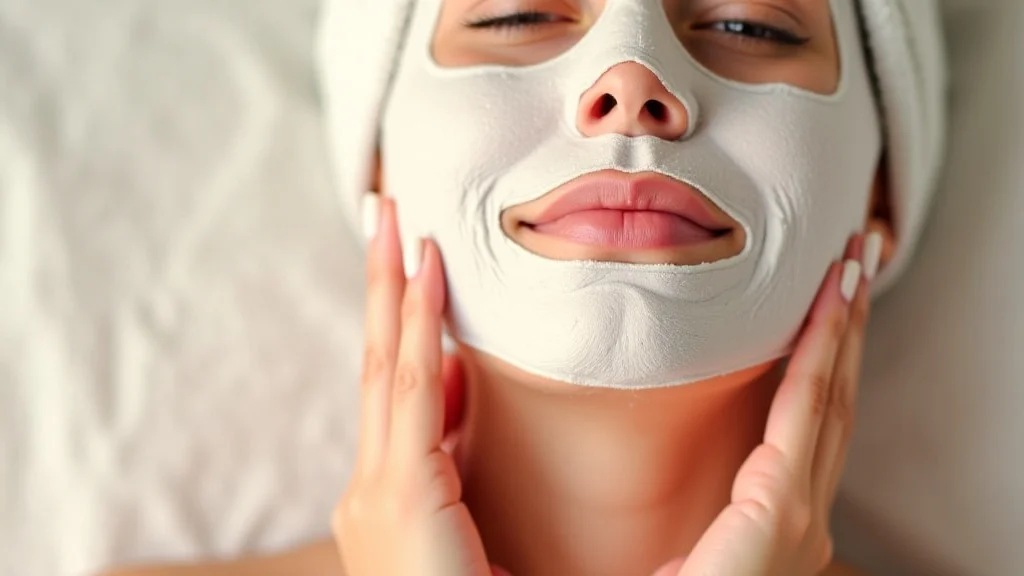
Remember that friend who always seems to have radiant skin? Maybe you’ve wondered what their secret is. The answer could very well be facial masks. These potent treatments, often overlooked, can dramatically improve your skin’s health and appearance. In this post, we’ll explore everything you need to know about facial masks, from their different types to the benefits they offer. You’ll gain a deeper appreciation for how to select the best masks for your skin type and how to incorporate them into your skincare routine. This information will help you achieve a healthier, more vibrant complexion, keeping you informed and engaged from start to finish.
Key Takeaways
- Discover the diverse benefits of facial masks for different skin concerns.
- Learn how to choose the right facial mask based on your skin type.
- Explore the ingredients and their functions in various mask formulations.
- Understand the proper techniques for applying and removing facial masks.
- Gain insights into the frequency and best times for using facial masks.
- Find answers to common questions about facial masks and their usage.
Unveiling the Benefits of Using Facial Masks
Facial masks have become a central element in modern skincare routines, celebrated for their capacity to address various skin problems. More than just a spa indulgence, these products provide essential nutrients to your skin. From fighting acne and removing impurities to restoring hydration and reducing signs of aging, masks offer a wide range of benefits. Consistent usage can result in a more balanced, radiant complexion. Whether your skin is dry, oily, sensitive, or combination, there’s a specific facial mask that’s perfect for your unique needs. Masks are designed to provide concentrated care, allowing you to target specific skin problems in a targeted way.
Types of Facial Masks and Their Functions
The marketplace offers a range of facial masks, each designed to provide specific advantages. Knowing the differences between these mask types allows you to choose what best suits your skin’s needs. Whether you’re trying to clear up blemishes, hydrate dry patches, or tackle the first signs of aging, the correct mask can make a huge impact on your skin’s appearance. Consider your skin type and your specific goals when choosing a facial mask for the best results. Each mask category comes with its unique application processes and ingredients.
- Clay Masks: Ideal for oily or acne-prone skin, clay masks help absorb excess oil, draw out impurities, and minimize the appearance of pores.
- Sheet Masks: Convenient and hydrating, sheet masks are soaked in serums rich in vitamins, antioxidants, and moisturizing agents.
- Cream Masks: Perfect for dry or sensitive skin, cream masks provide deep hydration and nourishment, leaving the skin feeling soft and supple.
- Gel Masks: Gel masks are lightweight and cooling, offering hydration and soothing properties. They are suitable for various skin types, including sensitive skin.
Clay masks are formulated with various types of clay, such as bentonite, kaolin, or French green clay, each with different properties. They often contain additional ingredients like aloe vera or essential oils to soothe the skin. The clay acts as a magnet, attracting dirt and oil from pores. When the mask dries, it creates a gentle pulling effect, helping to clear clogged pores. This type is generally recommended for those prone to breakouts.
Sheet masks are usually made from materials like cotton, cellulose, or hydrogel. They are designed to fit the contours of your face, ensuring maximum skin contact and product absorption. The serum-infused sheet provides a protective barrier, preventing the serum from evaporating. They are particularly effective at delivering concentrated hydration and are excellent for a quick boost of radiance before an important event or to recharge the skin after long days.
These masks are typically rich in emollients and humectants, ingredients that help to moisturize the skin. They are great at replenishing the skin’s moisture barrier. These masks also often feature calming ingredients, such as chamomile or shea butter. Cream masks are easily absorbed and leave a protective layer on the skin that helps retain moisture, which is especially beneficial in harsh weather conditions or dry environments.
Gel masks contain ingredients like hyaluronic acid, which help to draw moisture into the skin. They are known for their refreshing sensation when applied, making them enjoyable to use. Their texture allows for easy spreading, and they often contain ingredients that can reduce redness and irritation. Gel masks are beneficial for those with irritated skin or those who want to hydrate without the heaviness of a cream mask.
Ingredients in Facial Masks: What to Look For
Understanding the key ingredients in facial masks is crucial for making informed choices about your skincare regimen. Ingredients play a vital role in determining the mask’s effectiveness and suitability for various skin types. A good product combines the right active substances to address certain problems. Knowing what each ingredient does helps you select masks that target your particular skin needs. By reading ingredient labels, you can avoid products that could cause irritation or trigger allergic reactions. This knowledge guarantees that your mask use enhances your skin’s health instead of harming it. Remember to test any new product on a small patch of skin first.
Active Ingredients and Their Roles
The effectiveness of a facial mask depends on its active ingredients. These ingredients are chosen for their specific effects on the skin, whether it’s cleansing, moisturizing, or fighting signs of aging. Understanding the function of these components enables you to select masks that are most likely to provide benefits. Whether it’s antioxidants to protect against environmental damage or exfoliating agents to promote cell turnover, active ingredients are essential. These ingredients are not created equal, and their effectiveness is influenced by their concentration and the formula of the mask.
- Hyaluronic Acid: A humectant, it attracts and retains moisture, keeping the skin hydrated and plump.
- Vitamin C: An antioxidant that brightens the skin, reduces hyperpigmentation, and protects against free radical damage.
- Salicylic Acid: A beta-hydroxy acid (BHA) that exfoliates the skin, unclogs pores, and reduces acne.
- Tea Tree Oil: An antibacterial and anti-inflammatory agent that fights acne and soothes irritated skin.
Hyaluronic acid can hold up to 1,000 times its weight in water, making it a powerful hydrator. It draws moisture from the surrounding environment into the skin. This helps to reduce the appearance of fine lines and wrinkles. Products containing hyaluronic acid can be used daily to maintain moisture and improve the overall texture of your skin.
Vitamin C protects the skin from environmental stressors such as pollution and UV rays. It also helps to stimulate collagen production, improving skin firmness and elasticity. Regular use of vitamin C can diminish the appearance of dark spots and uneven skin tone, which creates a more radiant complexion. Use with sunscreen to enhance protection from UV damage.
Salicylic acid is a fat-soluble acid, allowing it to penetrate into pores to dissolve oil and dead skin cells. This makes it effective at treating blackheads and whiteheads. It also reduces inflammation and redness. Salicylic acid is generally recommended for oily and acne-prone skin, but it should be used carefully, as overuse can cause dryness or irritation.
Tea tree oil is a potent natural remedy known for its antiseptic properties. It can fight bacteria that cause acne. It can also help soothe conditions like eczema or psoriasis. It is typically diluted, as pure tea tree oil can be too harsh for the skin. It’s an effective addition to facial masks designed to treat acne.
Application and Removal Techniques for Optimal Results
Correct application and removal techniques can maximize the benefits of facial masks. Following the proper steps ensures that your skin absorbs the active ingredients and avoids any potential irritation. Your mask’s effectiveness depends not only on its formula but also on how you apply and remove it. Learning the right techniques is essential, from prepping your skin to understanding how long to leave the mask on, and ensuring that you rinse away all traces of the product. This approach will help you to create a beneficial skincare routine.
Step-by-Step Guide to Applying a Facial Mask
Applying a facial mask properly enhances its effectiveness. The process begins with skin preparation and extends to removal. Preparing the skin and using appropriate techniques ensures that the mask is distributed uniformly and allowed to act fully. Follow this step-by-step guide to get the most out of your mask.
- Prep Your Skin: Begin with a clean face. Wash your face with a gentle cleanser to remove makeup, dirt, and excess oil.
- Steam (Optional): Gently steam your face to open up pores. Do this by holding your face over a bowl of hot water for a few minutes.
- Apply the Mask: Use clean fingertips or a mask applicator to apply an even layer of the mask to your face, avoiding the eye and lip areas.
- Relax: Let the mask sit for the recommended time, usually 10-20 minutes, depending on the product instructions. Avoid moving your facial muscles too much.
- Remove the Mask: Gently remove the mask, using lukewarm water and a soft cloth to rinse away all traces.
- Follow Up: Pat your face dry and finish with a moisturizer suitable for your skin type to lock in moisture.
This provides a clean surface for the mask to interact directly with your skin. Cleansing the skin also helps to open pores, which facilitates the absorption of the mask’s ingredients. It ensures the mask can work effectively without any interference from environmental impurities.
Steaming opens pores and softens the skin. This allows the mask to penetrate deeper and improves the effectiveness of the treatment. This step is not necessary for all skin types. Over-steaming can dry out the skin.
This prevents uneven application, ensuring that all areas of your skin receive the same treatment. The eye and lip areas are more sensitive and are usually best avoided, as certain ingredients can cause irritation. Use an applicator to avoid contamination and guarantee cleanliness.
Staying still helps prevent the mask from cracking or flaking. The time is carefully calibrated to allow the active ingredients to work their magic. Moving around can cause the mask to dry unevenly and could compromise its benefits.
This avoids any residue that may clog pores or irritate the skin. Using lukewarm water helps to thoroughly remove the mask without stripping away natural oils. Ensure all areas of your face are clean to prevent potential breakouts or irritation.
Applying a moisturizer after removing the mask helps to hydrate and soothe the skin. This final step helps to maintain the effects of the mask, keeping your skin soft and supple. This completes the skincare routine and prepares your skin to face the elements.
Proper Removal Methods
Removing your facial mask correctly is just as important as the application. Effective removal ensures that the skin doesn’t experience irritation or clogged pores. Depending on the mask type, removal can involve gentle rinsing, peeling, or using a warm cloth. Proper removal methods help to preserve the skin’s natural moisture balance and maximize the benefits of the mask. Be sure to choose the method that best complements your specific mask type. The goal is to clean the skin without causing any discomfort.
Frequency and Timing: How Often to Use Facial Masks
Determining the right frequency and timing for using facial masks depends on your skin type, the mask’s ingredients, and your skincare goals. Overuse can cause dryness, irritation, and disrupt the natural skin barrier. Understanding the specific needs of your skin is crucial for developing an effective regimen. When you develop an appropriate plan, you can make the most of the advantages of facial masks while keeping your skin healthy and balanced. Listen to what your skin says and adjust your usage as needed to get the best outcomes.
Creating Your Masking Schedule
Creating a good masking schedule helps optimize your results. You need to consider many elements, including your skin type and the mask’s functions, to determine the ideal frequency. Whether you’re targeting acne, dryness, or aging, the right schedule can boost the efficacy of your masks. Always watch how your skin reacts to the treatment and adjust your schedule accordingly. This allows you to integrate facial masks into your regimen, achieving consistent, lasting improvements in your complexion.
- For Oily Skin: Use clay or charcoal masks 1-3 times a week to absorb oil and reduce breakouts.
- For Dry Skin: Use hydrating or cream masks 1-2 times a week to replenish moisture and restore skin barrier function.
- For Combination Skin: Adjust the frequency and types of masks depending on which areas of the face you want to address.
- For Sensitive Skin: Use gentle, calming masks 1-2 times a week to avoid irritation. Watch for signs of reactions and reduce usage if needed.
These masks help regulate sebum production. This approach helps to keep pores clear and minimize the formation of blackheads and pimples. Regular use will help to balance oil levels and maintain a fresh, matte appearance.
These masks will infuse the skin with rich, moisturizing ingredients. Consistent use is necessary to ease dryness and give the skin a healthy appearance. Hydration helps to reduce the appearance of flaking and wrinkles.
This ensures that you can handle the specific issues in each area of your face. Use a mask that targets oiliness on the T-zone and hydrating masks on dryer areas. Using a mix of treatments ensures that the skin receives the care it needs.
This will help to protect the skin from harsh ingredients. Avoid using masks that contain fragrances, alcohol, or other harsh chemicals, which can cause irritation. Pay careful attention to your skin to ensure that any products used are compatible.
Common Myths Debunked
Myth 1: You need to use a facial mask every day for results.
In reality, using a mask every day can lead to irritation and damage the skin’s natural barrier. Most facial masks are designed to be used one to three times per week. Overuse, especially of masks with active ingredients like acids or clays, can cause dryness, redness, and sensitivity. It’s better to use masks consistently within the recommended frequency, allowing the skin to recover between treatments and benefit fully from the ingredients.
Myth 2: All facial masks are the same.
There are many different types of facial masks, each with different functions and ingredients. Masks vary in purpose, from hydration and brightening to acne treatment and anti-aging. Knowing the specific needs of your skin and the purpose of different masks helps in selecting the most effective options for your skincare routine. The ingredients and formulations are carefully created for optimal outcomes.
Myth 3: The longer you leave the mask on, the better the results.
While letting a mask sit longer may seem like it would enhance the effects, leaving a mask on for too long can have the opposite effect. Masks, particularly clay and peel-off varieties, can dry out the skin and cause irritation if left on longer than the manufacturer suggests. Following the directions for the ideal duration of use is crucial for optimal results. You’ll be able to ensure your skin gets the full benefits without the harm.
Myth 4: Facial masks can replace a proper skincare routine.
Facial masks are a great complement to a skincare routine, but they cannot
Myth 5: All facial masks are safe for all skin types.
Not all facial masks are created equal. Some masks contain ingredients that may irritate certain skin types, especially those with sensitive skin. Always review the ingredient list and conduct a patch test before fully applying a mask to your face. Knowing your skin type helps you choose masks and ingredients that align with your skin’s particular demands, minimizing the risk of adverse reactions and maximizing skincare advantages.
Frequently Asked Questions
Question: Can I use multiple facial masks in one week?
Answer: Yes, but it’s essential to consider your skin type and the ingredients of the masks. Avoid using masks with similar ingredients too close together to prevent irritation. Alternate between different types of masks to address multiple concerns.
Question: What’s the best time to apply a facial mask?
Answer: Any time is a good time! Many people choose to mask in the evening to allow the skin to rejuvenate overnight. Make sure to choose a time when you can relax and allow the mask to work without interruption.
Question: Should I exfoliate before applying a facial mask?
Answer: Exfoliation before a facial mask can help improve its effectiveness. Exfoliating removes dead skin cells, allowing the mask to penetrate deeper. Always exfoliate gently and choose an exfoliation method that’s suitable for your skin type.
Question: Are DIY facial masks as effective as store-bought masks?
Answer: DIY masks can be effective if made with the right ingredients and used correctly. However, store-bought masks often contain a combination of ingredients that are researched, tested, and formulated to deliver specific benefits. The consistency of store-bought masks is also an advantage.
Question: Can facial masks help with acne?
Answer: Yes, certain facial masks can help manage acne. Masks containing ingredients like salicylic acid, tea tree oil, or clay can help to clear pores, reduce inflammation, and absorb excess oil. Regular use, along with a consistent skincare routine, can improve acne.
Final Thoughts
Facial masks are an excellent addition to your regular skin care schedule, capable of improving skin health and appearance. Whether your goal is to hydrate, clarify, or address aging concerns, there’s a facial mask created to cater to your needs. This post highlighted the different types, the benefits of their active ingredients, and the correct methods for application and removal. Remember to customize your mask choices and routine to accommodate your specific skin type and individual needs. Listen to your skin and modify your schedule appropriately to ensure that you get the most benefits. Begin exploring and enjoy the benefits of having healthier, more glowing skin.

Leave a Reply