


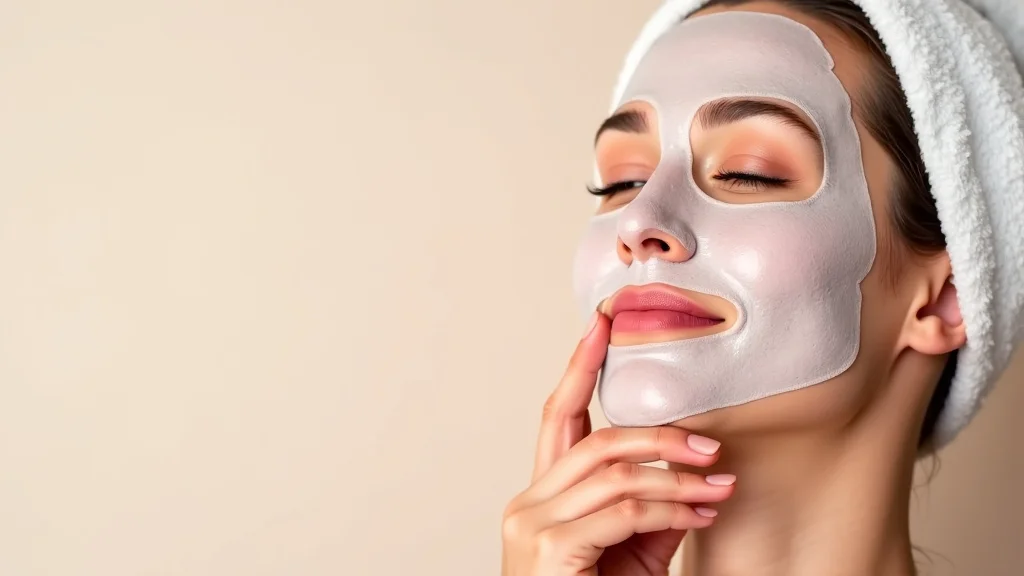
Picture this: It’s been a long day, and your skin is screaming for some TLC. You reach for a facial mask sheet, ready to relax and rejuvenate. But with so many options, where do you even begin? This post will help you sort through the noise. We’ll explore everything from the different types of facial mask sheets to their specific benefits, helping you choose the perfect one for your skin type and concerns. Get ready to discover how these simple sheets can transform your skincare routine, giving you the glowing complexion you’ve always wanted.
Key Takeaways
- Discover the diverse types of facial mask sheets and their ingredients.
- Learn the advantages of incorporating facial mask sheets into your skincare routine.
- Understand how to choose the right facial mask sheets for your skin type.
- Find out how to properly use facial mask sheets for maximum effectiveness.
- Explore the benefits of specific ingredients found in facial mask sheets.
- Get tips on making facial mask sheets a regular part of your self-care.
Unlocking the Potential of Facial Mask Sheets
Facial mask sheets have become a staple in many skincare routines, and for good reason. They offer a convenient and effective way to deliver concentrated treatments directly to the skin. Unlike traditional masks that you have to rinse off, sheet masks are pre-soaked in serums, delivering a targeted dose of beneficial ingredients. This method allows for deeper penetration and absorption, leading to noticeable results. From hydrating dry skin to combating blemishes, the benefits are vast and cater to a variety of skin concerns. Knowing the basics is key to reaping the rewards.
Types of Facial Mask Sheets
The variety of facial mask sheets available is vast, making it easier to select one based on your individual needs. They can be generally categorized by their material and the active ingredients. These variations allow for a range of uses, from delivering hydration to providing anti-aging effects. Understanding the differences between these types helps you target your skincare needs more accurately and effectively.
-
Material Matters
The material of a facial mask sheet impacts its ability to adhere to the skin, retain moisture, and deliver ingredients. Common materials include cotton, hydrogel, biocellulose, and microfiber. Cotton masks are typically affordable and accessible, providing good absorbency. Hydrogel masks, often made from a gel-like substance, offer excellent adherence and a cooling effect. Biocellulose masks, derived from fermented coconut, are known for their fine texture and ability to conform to the face perfectly. Microfiber masks, made from very fine synthetic fibers, provide excellent absorption and a luxurious feel. Choosing the right material ensures a comfortable experience and optimal performance.
-
Ingredient Breakdown
The active ingredients are the core of a facial mask sheet’s effectiveness. These ingredients are chosen to address specific skin concerns. Some masks focus on hydration, using ingredients like hyaluronic acid and glycerin to draw moisture into the skin. Others target anti-aging with components like peptides and antioxidants, which help reduce fine lines and wrinkles. Those with blemish-prone skin might select masks containing tea tree oil or salicylic acid, which have antibacterial and exfoliating properties. Some masks even focus on brightening, with ingredients like vitamin C. Always check the ingredient list to make certain the mask meets your specific skincare needs.
-
Mask Variations
Beyond material and ingredients, there are also various mask formats. Some are designed for specific areas, like under-eye patches for addressing dark circles and puffiness. Others target the full face, including the neck or décolletage for a complete treatment. There are also multi-masking options where you use different masks on different areas of your face to tackle multiple concerns at once. This customization allows for tailored treatment based on your individual skincare needs. Always examine the mask’s purpose before deciding what is suitable.
Benefits of Including Facial Mask Sheets in Your Skincare
Adding facial mask sheets to your routine can significantly boost your skincare efforts. The benefits extend beyond simple hydration, offering a range of improvements to the overall health and appearance of your skin. These masks are particularly beneficial for those who want a quick, easy, and effective boost to their routine. Discovering these advantages can convince you to make these sheets a standard part of your regimen.
Deep Hydration and Moisture Retention
One of the primary advantages of facial mask sheets is their ability to provide deep hydration. The serum-soaked sheets create a barrier on the skin, preventing moisture loss and helping to lock in hydration. This is particularly helpful for dry or dehydrated skin, as the masks infuse the skin with essential moisture, leaving it feeling soft and supple. The concentrated formulas contain hydrating ingredients, like hyaluronic acid and glycerin, which attract and retain water, promoting plump and radiant skin. This boosts your skin’s ability to retain hydration, resulting in a healthier complexion.
-
Hydration Boosters
The serums within facial mask sheets are often packed with humectants, ingredients that draw moisture from the environment into the skin. Hyaluronic acid is a superstar in this area, able to hold up to 1,000 times its weight in water. Glycerin, another common humectant, helps to soften and hydrate the skin. These ingredients work together to deeply hydrate and plump the skin, reducing the appearance of fine lines and wrinkles caused by dryness. Constant hydration keeps skin healthy and ensures the products’ advantages.
-
Barrier Support
Facial mask sheets help reinforce the skin’s natural barrier function. By delivering moisture and protective ingredients, they strengthen the outer layer of the skin, making it less susceptible to environmental stressors like pollution and harsh weather. A healthy skin barrier keeps moisture in and irritants out. This leads to healthier and more resilient skin overall. Keeping your skin’s barrier strong improves hydration levels and overall skin health.
-
Enhanced Product Absorption
Using a facial mask sheet before applying other skincare products, like serums or moisturizers, can enhance their absorption. The sheet mask softens the skin and prepares it to receive the products, allowing them to penetrate more deeply. This can make your other skincare products more effective. It is best to incorporate facial masks into your evening skincare routine. This gives the ingredients plenty of time to work their magic while you sleep.
Targeted Treatment and Problem Solving
Facial mask sheets are excellent for delivering targeted treatments to address specific skin concerns, such as acne, aging, or uneven skin tone. The concentrated serums in the masks are formulated with active ingredients to tackle specific problems effectively. This targeted approach allows for maximum impact. They are a powerful tool for achieving noticeable improvements in your skin. These treatments make sure that you are seeing results.
-
Acne and Blemish Control
Facial mask sheets often include ingredients to combat acne and blemishes. Salicylic acid, a beta-hydroxy acid, exfoliates the skin, unclogging pores and preventing breakouts. Tea tree oil, known for its antibacterial properties, helps to reduce inflammation and fight acne-causing bacteria. Mask sheets are a great way to deliver these powerful ingredients directly to the affected areas, helping to clear up existing breakouts and prevent future ones. These mask sheets provide a targeted approach for clear and healthy skin.
-
Anti-Aging Power
Many facial mask sheets are designed to combat the signs of aging. These masks often contain ingredients like peptides, which stimulate collagen production and improve skin elasticity. Antioxidants, such as vitamin C and green tea extract, help protect against free radical damage, which can lead to wrinkles and fine lines. These masks provide a powerful boost to your anti-aging routine, helping to keep your skin looking youthful and radiant. They provide skin protection from signs of aging.
-
Brightening and Even Tone
Facial mask sheets can help brighten the skin and even out the tone. Ingredients like vitamin C can help reduce the appearance of dark spots and hyperpigmentation, while niacinamide helps improve skin clarity and reduce redness. These ingredients work together to give you a more radiant and even complexion. Using these masks regularly can help you achieve a more luminous appearance. The result is glowing, healthy skin.
Choosing the Right Facial Mask Sheets for Your Skin
Selecting the right facial mask sheets for your skin type is essential to achieving desired results and avoiding irritation. Just as with other skincare products, the effectiveness of a facial mask sheet depends on its compatibility with your skin. Learning to recognize your skin type, consider its current condition, and understand the active ingredients ensures that you are making an informed decision. This will ensure that you are treating your specific skincare needs and not wasting money.
Skin Type Specific Considerations
Your skin type plays a key role in choosing the correct facial mask sheet. Whether your skin is dry, oily, sensitive, or a combination, understanding the specific needs of your skin will lead you to effective masks. Different formulations are designed to cater to distinct skin types. You will discover how you can refine your choice to achieve the best results.
-
For Dry Skin
If you have dry skin, look for facial mask sheets packed with hydrating ingredients like hyaluronic acid, glycerin, and ceramides. These ingredients help to replenish moisture and strengthen the skin barrier. Look for thicker masks with richer serums for added hydration. Avoid masks with harsh ingredients like alcohol or strong fragrances, which can further dry out the skin. Sheet masks designed to hydrate dry skin will help bring back moisture.
-
For Oily Skin
For those with oily skin, it’s essential to find mask sheets that will not make your skin too oily. Search for masks with oil-controlling ingredients like tea tree oil, salicylic acid, and clay. These components help to regulate oil production and unclog pores. Lightweight, non-comedogenic formulas are a good choice to avoid clogging your pores. Oily skin users should focus on masks that cleanse and balance their skin.
-
For Sensitive Skin
Sensitive skin requires extra care and attention when choosing facial mask sheets. Look for masks specifically designed for sensitive skin, free from fragrances, alcohol, and harsh chemicals. Opt for hypoallergenic and fragrance-free options to minimize the risk of irritation. Look for masks containing soothing ingredients like aloe vera or chamomile to calm and hydrate the skin. Always do a patch test before applying a new mask to your entire face to make sure there is no reaction. Masks for sensitive skin should be gentle and non-irritating.
-
For Combination Skin
If you have combination skin, you likely have both oily and dry areas. Choose mask sheets that address multiple needs. You can consider hydrating masks with lightweight formulas or masks that incorporate ingredients that balance the skin. Multi-masking, where you use different masks on different parts of your face, can also be useful. This customization lets you target specific areas with the appropriate treatment. Selecting the right mask for combination skin is important.
Ingredient Exploration
Understanding the key ingredients in facial mask sheets is crucial for selecting the right ones for your skin. Recognizing the benefits of various ingredients enables you to tailor your selection to your specific skincare goals. From hydration to anti-aging and everything in between, each ingredient serves a specific purpose, contributing to the overall effectiveness of the mask.
-
Hyaluronic Acid
Hyaluronic acid is a powerful humectant that draws moisture from the atmosphere to the skin. It can hold up to 1,000 times its weight in water, making it a super-hydrating ingredient. It helps to plump the skin, reducing the appearance of fine lines and wrinkles. Hyaluronic acid is suitable for all skin types but is especially beneficial for dry and dehydrated skin, providing intense hydration and improving skin texture. This is a top choice in facial mask sheets.
-
Vitamin C
Vitamin C is an antioxidant that brightens the skin and protects it from environmental damage. It helps to reduce the appearance of dark spots and hyperpigmentation. It can stimulate collagen production, improving skin elasticity and reducing the signs of aging. Vitamin C is suitable for all skin types and is particularly helpful for those looking to brighten their complexion and improve overall skin health. It is an excellent anti-aging ingredient.
-
Niacinamide
Niacinamide, or vitamin B3, is a versatile ingredient with many benefits. It helps to reduce inflammation, minimize pores, improve skin texture, and regulate oil production. It is suitable for most skin types, including sensitive skin. This powerful component is helpful for those struggling with acne, uneven skin tone, or enlarged pores. Niacinamide provides a wide range of advantages.
-
Tea Tree Oil
Tea tree oil is a natural antibacterial agent that helps to treat acne and reduce inflammation. It is effective at clearing up blemishes and preventing breakouts. It is beneficial for oily and acne-prone skin but can also be helpful for those with sensitive skin. Tea tree oil helps to soothe irritated skin. Using tea tree oil in facial mask sheets helps with acne problems.
Maximizing Your Mask Sheet Experience
To get the most out of your facial mask sheets, it’s important to use them correctly. Proper application, following the recommended usage frequency, and understanding how to combine them with other products in your routine can greatly enhance their effectiveness. By following these steps, you can create a skincare ritual that delivers noticeable results, leaving your skin looking healthy and radiant. These tips can help you optimize the benefits.
Application Techniques
Applying a facial mask sheet correctly is key to maximizing its benefits. Preparing your skin, positioning the mask, and removing the mask gently can make a significant difference in the outcomes. Following these steps helps make certain the ingredients are absorbed thoroughly. The process needs to be relaxing, yet effective.
-
Prepping Your Skin
Start by cleansing your face thoroughly to remove any makeup, dirt, and impurities. Exfoliating before applying the mask can help to remove dead skin cells, allowing for better absorption of the serum. You can use a gentle exfoliator once or twice a week. You can also apply a toner to balance your skin’s pH before applying the mask. This is a critical first step.
-
Mask Placement
Carefully unfold the facial mask sheet and align it with your face. Start by aligning the mask with your eyes and mouth, then smooth it over your face, ensuring it adheres well to the skin. Press gently to remove any air bubbles, ensuring that the mask comes into contact with your skin in all areas. Proper mask placement allows for efficient serum delivery. It is a relaxing part of the process.
-
Optimal Timing and Removal
Leave the facial mask sheet on for the recommended time, usually between 15-20 minutes. Avoid leaving it on for longer, as the mask can start to dry out and reabsorb moisture from your skin. Once the time is up, gently remove the mask and pat the remaining serum into your skin. Do not wash your face unless instructed to do so. This allows the ingredients to continue working on your skin. Timing is important.
Incorporating Facial Mask Sheets in Your Routine
Integrating facial mask sheets into your regular skincare regimen is easy, and can make a big difference in the results. Knowing when to use them, how frequently to use them, and how to combine them with other products will maximize their effectiveness. By creating a consistent routine, you can keep your skin looking great.
-
Frequency
The frequency of facial mask sheet use depends on your skin type and concerns. For general maintenance and hydration, using a mask once or twice a week is usually sufficient. If you have specific concerns, like acne or anti-aging, you might use a mask two to three times per week. However, pay attention to your skin’s response and adjust the frequency as needed. Excessive use can sometimes lead to irritation. Experiment with the frequency to see what is ideal for your skin.
-
Timing
Facial mask sheets are best used in the evening as part of your nighttime skincare routine. This gives the ingredients time to work while you sleep, allowing your skin to regenerate. You can use a mask before applying your serum and moisturizer. It’s also a great way to wind down and relax after a long day. You can use a mask anytime you need a quick pick-me-up or before a special occasion. Timing is a matter of preference.
-
Layering with Other Products
After removing the facial mask sheet, gently pat the remaining serum into your skin. You can then apply your regular skincare products, such as a serum, moisturizer, and eye cream. Sheet masks create a base, making your other products penetrate deeper. This layering approach ensures you are getting the full benefits of all the products in your routine. This will help you achieve the best results.
Common Myths Debunked
Myth 1: Facial mask sheets are only for dry skin.
Reality: While facial mask sheets are excellent for hydrating dry skin, they are suitable for all skin types. There are mask sheets specifically formulated for oily, acne-prone, sensitive, and combination skin types. These masks contain ingredients tailored to address specific concerns like oil control, acne, or irritation. Everyone can find a sheet mask to suit their individual needs, not just those with dry skin.
Myth 2: The longer you leave a facial mask sheet on, the better.
Reality: Leaving a facial mask sheet on for too long can be counterproductive. As the mask dries, it can reabsorb moisture from your skin, leading to dehydration. Most masks should be left on for 15-20 minutes. Always follow the product instructions. Overuse can cause irritation.
Myth 3: You can reuse a facial mask sheet.
Reality: Facial mask sheets are designed for single use. Reusing a mask can introduce bacteria and reduce its effectiveness. The serum on the mask will also dry out, diminishing its benefits. It’s essential to dispose of the mask after each use to maintain hygiene and get the most from the ingredients.
Myth 4: All facial mask sheets are the same.
Reality: The formulation, ingredients, and materials used in facial mask sheets vary greatly. Some are made from cotton, while others are made from hydrogel or biocellulose. The ingredients also vary, from hydrating hyaluronic acid to brightening vitamin C or acne-fighting tea tree oil. It is important to look at the ingredients and mask material.
Myth 5: Facial mask sheets replace your entire skincare routine.
Reality: Facial mask sheets are an effective addition to a skincare routine, but they do not replace other important steps like cleansing, moisturizing, and sun protection. They should be used as a targeted treatment to boost your skincare efforts. It is also important to maintain a comprehensive skincare routine.
Frequently Asked Questions
Question: How often should I use facial mask sheets?
Answer: For general maintenance and hydration, use facial mask sheets once or twice a week. If targeting specific concerns, increase to two to three times a week, observing your skin’s response.
Question: Can I use facial mask sheets if I have sensitive skin?
Answer: Yes, choose masks specifically for sensitive skin, free from fragrances and harsh chemicals. Look for hypoallergenic and soothing ingredients like aloe vera.
Question: Should I wash my face after using a facial mask sheet?
Answer: No, unless the product instructions state otherwise. Pat the remaining serum into your skin to allow full absorption of the beneficial ingredients.
Question: How long should I leave a facial mask sheet on?
Answer: Most facial mask sheets should be left on for 15-20 minutes. Avoid leaving them on longer, as they can start to dry out and reabsorb moisture.
Question: Can I use facial mask sheets on acne-prone skin?
Answer: Yes, look for masks with ingredients like tea tree oil or salicylic acid, which help to control oil, unclog pores, and treat acne.
Final Thoughts
In the world of skincare, facial mask sheets are a convenient and efficient way to hydrate, treat, and rejuvenate your skin. The abundance of options means there’s a mask for everyone. From choosing the correct ingredients to making them a constant part of your routine, you can get the most from these sheets. They provide targeted treatment, which can help you get glowing skin. Make facial mask sheets a regular part of your self-care routine. The results can be remarkable, leading to a healthier, more radiant you. Enjoy the journey towards a glowing complexion!
Leave a Reply