


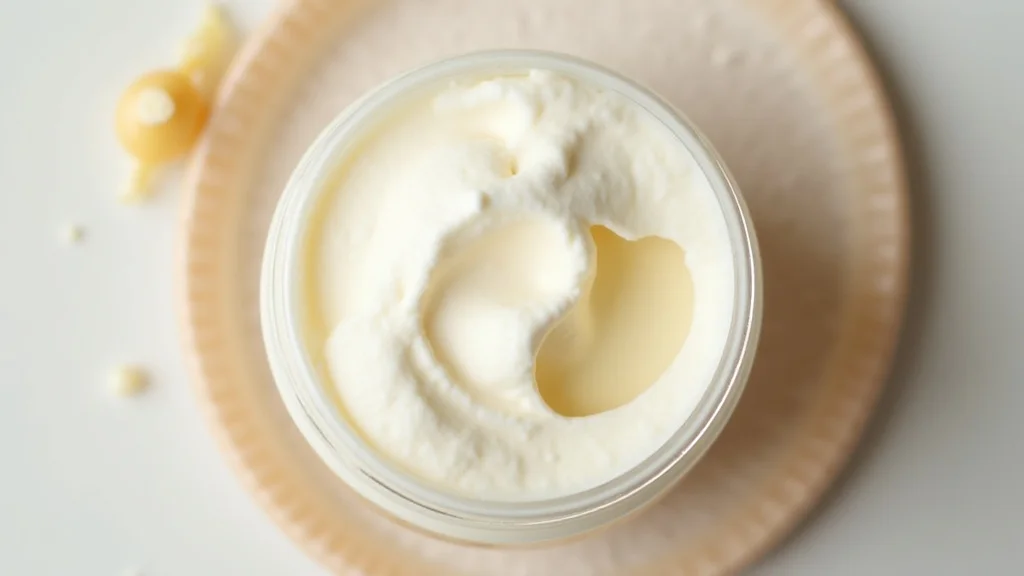
Ever felt the sting of a dry, flaky face after a long day? Or maybe you’ve stared in the mirror, wishing for a brighter complexion? We’ve all been there! The good news is, achieving radiant, healthy skin is within reach, and facial mask cream is your secret weapon. This guide will walk you through everything you need to know about these amazing products, from the different types available to the incredible benefits they offer. By the end, you’ll be armed with the knowledge to choose the perfect facial mask cream and transform your skincare routine.
Key Takeaways
- Discover the diverse types of facial mask creams and their unique properties.
- Learn about the key ingredients and how they benefit your skin.
- Understand the process of selecting the right cream for your skin type.
- Explore the steps for effective application and maximizing results.
- Gain insights into the science behind how facial mask creams work.
- Uncover common mistakes to avoid and tips for optimal skincare.
Unlocking the Power of Facial Mask Creams
Face masks are more than just a spa day indulgence; they are potent treatments designed to address various skin concerns. From hydration and exfoliation to brightening and anti-aging, the right facial mask cream can be a game-changer. They work by delivering concentrated ingredients directly to the skin, allowing them to penetrate deeper and provide targeted benefits. This deep nourishment helps improve your skin’s texture, tone, and overall health. The best way to use these creams is to incorporate them into your routine once or twice a week.
Types of Facial Mask Creams
The beauty of facial mask creams lies in their versatility. They cater to a wide range of skin types and concerns, and they all offer various benefits. Knowing the different varieties helps you find the one best suited to your needs. This knowledge will set you on the path toward a healthy and glowing complexion.
- Hydrating Masks: These masks are designed to replenish moisture and combat dryness. They are often enriched with humectants like hyaluronic acid and glycerin, which attract and retain water, leaving your skin plump and supple.
- Exfoliating Masks: These masks focus on removing dead skin cells to reveal brighter, smoother skin. They often contain chemical exfoliants like AHAs (alpha-hydroxy acids) or BHAs (beta-hydroxy acids), which gently dissolve the bonds that hold dead cells together.
- Clay Masks: Known for their oil-absorbing properties, clay masks are excellent for those with oily or acne-prone skin. They typically contain kaolin or bentonite clay, which draw out impurities, unclog pores, and reduce excess oil.
- Brightening Masks: These masks aim to even skin tone and reduce the appearance of dark spots and hyperpigmentation. They often contain ingredients like vitamin C, niacinamide, and licorice extract, known for their antioxidant and brightening properties.
- Anti-Aging Masks: Designed to combat the signs of aging, these masks often contain ingredients like peptides, retinol, and antioxidants to reduce the appearance of wrinkles, fine lines, and age spots.
Hyaluronic acid is a superstar ingredient, capable of holding up to 1,000 times its weight in water. This makes it incredibly effective at hydrating the skin. Glycerin, another popular humectant, draws moisture from the environment into the skin, preventing water loss. These ingredients work in harmony, offering intense hydration and helping to smooth fine lines. A good hydrating mask can transform dry, tight skin into a soft, glowing complexion.
AHAs, such as glycolic acid and lactic acid, are derived from natural sources and are effective at exfoliating the skin’s surface. BHAs, like salicylic acid, are oil-soluble and can penetrate deeper into pores, making them ideal for treating acne and blackheads. Regular use of exfoliating masks can help improve skin texture, reduce the appearance of pores, and boost the effectiveness of other skincare products by allowing them to penetrate more easily.
Kaolin clay is a gentle clay suitable for all skin types, known for its ability to absorb excess oil and soothe irritated skin. Bentonite clay has stronger oil-absorbing properties and can be particularly effective for acne-prone skin. Clay masks also help to tighten pores and reduce inflammation. However, it is essential to avoid overusing clay masks, as they can sometimes lead to dryness.
Vitamin C is a powerful antioxidant that protects the skin from damage caused by free radicals and helps to brighten skin tone. Niacinamide, a form of vitamin B3, helps to improve skin elasticity, reduce redness, and even skin tone. Licorice extract contains compounds that inhibit melanin production, helping to fade dark spots. Brightening masks can lead to a more radiant complexion and improved skin clarity.
Peptides are short chains of amino acids that help to stimulate collagen production, improving skin firmness and elasticity. Retinol, a derivative of vitamin A, is a potent anti-aging ingredient that helps to increase cell turnover and reduce the appearance of wrinkles. Antioxidants, such as vitamin E and green tea extract, protect the skin from free radical damage, preventing premature aging. Anti-aging masks can help to restore a youthful appearance and improve skin texture.
Key Ingredients in Facial Mask Creams
The effectiveness of a facial mask cream largely depends on its ingredients. Understanding the role of different compounds allows you to make informed decisions and choose the right mask for your needs. Here are some key ingredients to watch out for:
- Hyaluronic Acid: A humectant that draws moisture into the skin, providing intense hydration.
- Vitamin C: An antioxidant that brightens the skin and protects against environmental damage.
- Retinol: A derivative of vitamin A that increases cell turnover and reduces the appearance of wrinkles.
- Niacinamide: A form of vitamin B3 that improves skin elasticity and reduces redness.
- AHAs and BHAs: Chemical exfoliants that remove dead skin cells and improve skin texture.
Hyaluronic acid is a naturally occurring substance in the body that can hold up to 1,000 times its weight in water. When used in facial mask creams, it acts like a sponge, drawing moisture from the air into the skin. This results in plump, hydrated skin and can reduce the appearance of fine lines and wrinkles. Hyaluronic acid is gentle and suitable for all skin types, including sensitive skin.
Vitamin C is a powerful antioxidant that neutralizes free radicals, which are unstable molecules that can damage skin cells and contribute to premature aging. It also plays a key role in collagen production, leading to firmer, more youthful-looking skin. Furthermore, vitamin C helps to brighten the skin tone and reduce the appearance of dark spots and hyperpigmentation. This ingredient is generally well-tolerated by many skin types, but it is best to introduce it gradually if you are prone to sensitivity.
Retinol is a potent anti-aging ingredient that stimulates collagen production and increases cell turnover, which helps to minimize the appearance of fine lines, wrinkles, and age spots. It also helps to unclog pores and improve skin texture. Retinol is a powerful ingredient, and it is usually best to start with a low concentration and gradually increase it as your skin becomes accustomed to it. Retinol can cause some initial dryness, peeling, and sensitivity, so it is important to incorporate it into your routine gradually and always wear sunscreen.
Niacinamide is a versatile ingredient that offers a range of benefits for the skin. It helps to improve skin elasticity, reduce redness, and even skin tone. It also helps to control oil production, minimize the appearance of pores, and protect against environmental damage. Niacinamide is generally well-tolerated by most skin types, including sensitive skin, and it can be used in combination with many other skincare ingredients.
AHAs, such as glycolic acid and lactic acid, are effective at exfoliating the skin’s surface, improving skin texture, and reducing the appearance of fine lines. BHAs, such as salicylic acid, are oil-soluble and can penetrate deeper into pores, making them ideal for treating acne and blackheads. Both AHAs and BHAs can improve the effectiveness of other skincare products by allowing them to penetrate more easily. However, it is essential to use these ingredients with caution and always wear sunscreen, as they can increase sun sensitivity.
Choosing the Right Facial Mask Cream for Your Skin
Selecting the right facial mask cream is crucial for achieving desired results. The best choice is based on your skin type and specific concerns. Some common skin types are normal, dry, oily, combination, and sensitive.
Assessing Your Skin Type
Knowing your skin type is the first step toward finding the perfect facial mask cream. The process involves observation and understanding how your skin reacts to different products and environmental factors.
- Normal Skin: Typically, normal skin is well-balanced, neither too oily nor too dry. It has minimal imperfections and a smooth texture.
- Dry Skin: Dry skin often feels tight, flaky, and sometimes itchy. It lacks natural oils and tends to be more prone to wrinkles.
- Oily Skin: Oily skin tends to be shiny and prone to breakouts. It produces excess sebum, leading to clogged pores and acne.
- Combination Skin: Combination skin has areas that are oily (typically the T-zone) and areas that are dry (cheeks).
- Sensitive Skin: Sensitive skin is easily irritated, prone to redness, and reacts to harsh ingredients.
If you have normal skin, you’re in luck! You can generally experiment with different types of facial mask creams to address specific concerns like hydration or brightening. Look for masks that provide a balanced approach, such as those with gentle exfoliants or antioxidants.
For dry skin, focus on hydrating and moisturizing masks. Look for ingredients like hyaluronic acid, glycerin, and ceramides. Hydrating masks will help replenish moisture, while masks rich in oils will protect the skin’s natural barrier. Avoid masks with harsh exfoliants, which can further dry out the skin.
If you have oily skin, opt for clay masks, which help absorb excess oil and unclog pores. Also, consider masks with ingredients like salicylic acid or tea tree oil, which have acne-fighting properties. Use these masks once or twice a week to keep oil production under control.
If you have combination skin, you may need a dual approach. You can use different masks on different areas of your face. Clay masks or exfoliating masks can be applied to the oily T-zone, while hydrating or moisturizing masks can be used on the drier cheeks. Choose masks that provide a balanced approach to address both needs.
If you have sensitive skin, be extra cautious. Look for masks specifically formulated for sensitive skin, which are usually fragrance-free and hypoallergenic. Test any new mask on a small area of your skin before applying it to your entire face. Avoid masks with harsh chemicals or strong fragrances, which can cause irritation.
Matching Masks to Your Concerns
Once you know your skin type, you can start matching masks to your specific concerns. The perfect facial mask cream will target your primary skin issues and help you achieve your skincare goals.
- Acne and Breakouts: Look for masks containing ingredients like salicylic acid, benzoyl peroxide, or tea tree oil. These ingredients help to unclog pores, reduce inflammation, and combat bacteria. Clay masks are also useful for absorbing excess oil and impurities.
- Dryness and Dehydration: Focus on masks with hydrating ingredients like hyaluronic acid, glycerin, and ceramides. These ingredients draw moisture into the skin and help to repair the skin’s natural barrier. Choose masks that are rich in emollients, such as shea butter or coconut oil, to lock in moisture.
- Dullness and Uneven Skin Tone: Masks containing vitamin C, niacinamide, or licorice extract are helpful for brightening dull skin and evening skin tone. These ingredients help to reduce dark spots, hyperpigmentation, and overall skin dullness. Regular use can lead to a more radiant complexion.
- Fine Lines and Wrinkles: Look for masks with retinol, peptides, or antioxidants. These ingredients help to stimulate collagen production, reduce the appearance of wrinkles, and protect the skin from free radicals. Incorporate these masks into your routine to promote a more youthful-looking complexion.
For acne and breakouts, it is essential to choose masks with ingredients that target the root causes of these problems. Salicylic acid is a beta-hydroxy acid that penetrates pores and dissolves the debris causing acne. Benzoyl peroxide kills acne-causing bacteria. Tea tree oil has antibacterial and anti-inflammatory properties, making it an excellent natural remedy.
Dryness and dehydration are often linked, but they have different causes. Dehydration refers to a lack of water, while dryness refers to a lack of oil. Hydrating ingredients like hyaluronic acid can provide the water needed, while emollients like shea butter help to protect the skin and prevent further moisture loss.
Dullness and uneven skin tone can be caused by various factors, including sun damage, aging, and inflammation. Antioxidants, like vitamin C, protect against environmental damage, while niacinamide and licorice extract target hyperpigmentation. Using masks containing these ingredients regularly will help to revitalize the skin and promote a brighter, more even complexion.
As the skin ages, it loses collagen and elastin, which leads to fine lines and wrinkles. Retinol stimulates collagen production, while peptides can provide building blocks for collagen, improving skin elasticity. Antioxidants protect the skin from free radical damage, which can accelerate aging. Regular use of anti-aging masks can help to slow the aging process and restore a more youthful appearance.
How to Effectively Use Facial Mask Creams
Applying a facial mask cream effectively is crucial for maximizing its benefits. By following the right steps and avoiding common mistakes, you can significantly enhance your skincare results.
Step-by-Step Application Guide
Following these steps will ensure optimal results when you are using your facial mask cream:
- Cleanse Your Face: Start with a clean face. Thoroughly cleanse your skin with a gentle cleanser to remove dirt, makeup, and impurities. This allows the mask to penetrate your skin more effectively.
- Exfoliate (Optional): If you are using an exfoliating mask or if your skin is not sensitive, gently exfoliate your skin before applying the mask. This removes dead skin cells and allows for better penetration of the mask’s ingredients.
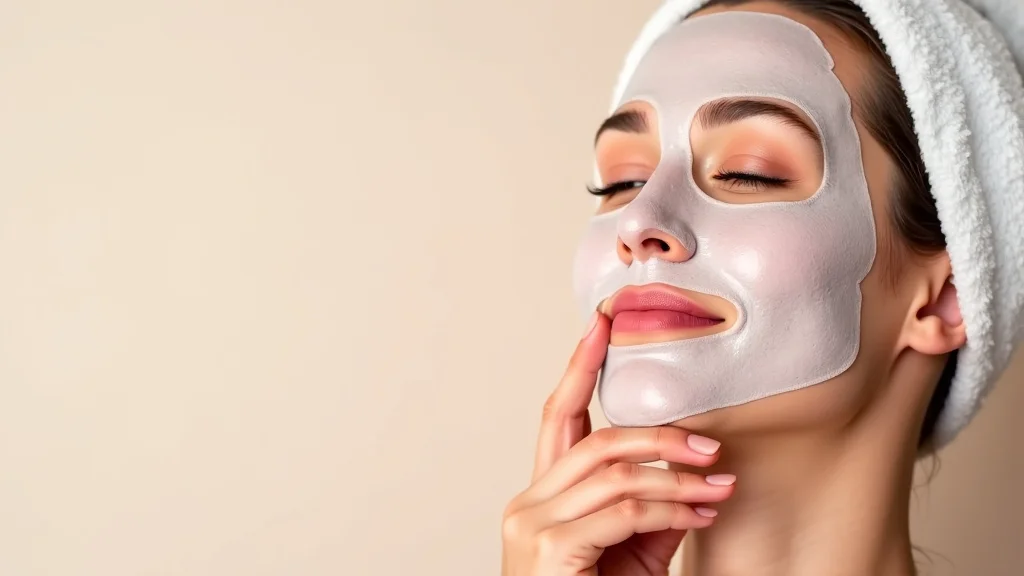
- Apply the Mask: Apply an even layer of the facial mask cream to your face, avoiding the eye and lip areas. Use clean fingertips or a mask brush to ensure even coverage.
- Relax and Wait: Allow the mask to sit on your face for the recommended time, usually 10-20 minutes. Avoid talking or making facial expressions, which can interfere with the mask’s effectiveness.
- Rinse Thoroughly: Rinse the mask off with lukewarm water. Ensure that you remove all traces of the mask. Pat your face dry with a soft towel.
- Follow Up with Moisturizer: After rinsing and patting your face dry, apply a moisturizer to lock in moisture and further hydrate your skin. This step is especially important for dry skin.
Cleansing your face is the first and most important step in any skincare routine. It removes surface impurities that can clog pores and interfere with the effectiveness of the mask. A clean face also allows the active ingredients in the mask to penetrate the skin more effectively, enhancing the benefits.
Exfoliation removes the top layer of dead skin cells, which can clog pores and make the skin look dull. This allows the ingredients in the mask to penetrate more effectively. Be cautious when exfoliating, and avoid over-exfoliating, as it can lead to irritation and damage to the skin.
Applying the mask evenly ensures that all areas of your face receive the same amount of active ingredients. Avoiding the eye and lip areas is essential, as the skin in these areas is thinner and more sensitive. Use clean fingers or a mask brush to prevent cross-contamination.
Allowing the mask to sit on your face for the recommended time is important, as this allows the active ingredients to penetrate the skin and deliver their benefits. Avoiding facial expressions helps to prevent the mask from cracking or drying out unevenly.
Rinsing the mask thoroughly is essential to remove all residue. Leaving traces of the mask on your skin can cause irritation or clog pores. Pat your face dry gently, avoiding harsh rubbing, as it can damage the skin.
Applying a moisturizer after removing the mask helps to replenish moisture and protect the skin. Moisturizers create a barrier that prevents moisture loss and helps to keep the skin hydrated and healthy. Choose a moisturizer suitable for your skin type.
Maximizing Your Results
To maximize the benefits of your facial mask cream, consider these additional tips:
- Choose the Right Frequency: Generally, it is best to use a facial mask cream once or twice a week. Overusing masks can lead to skin irritation or dryness.
- Patch Test: Before using any new facial mask cream, do a patch test on a small area of your skin to check for any adverse reactions.
- Layer Your Skincare: Consider layering your skincare products for enhanced results. Apply serums or toners before the mask to prime your skin, and use a moisturizer afterward to seal in the benefits.
- Maintain a Consistent Routine: Consistency is critical to seeing results. Make facial mask creams a regular part of your skincare routine, and stick to it for the long term.
- Consider Your Lifestyle: Your lifestyle can impact your skin’s health. Drink plenty of water, eat a healthy diet, and get enough sleep to support your skincare efforts.
The frequency of using facial mask creams depends on your skin type and the specific mask. Overusing masks can disrupt the skin’s natural barrier, leading to irritation, dryness, and inflammation. Most masks are designed to be used once or twice a week, but always follow the product’s directions.
A patch test is a simple way to determine if your skin is sensitive to the ingredients in a new product. Apply a small amount of the mask to a hidden area, such as behind your ear or on your inner arm, and wait 24 hours. If there is no reaction, it is safe to use the mask on your face.
Layering skincare involves applying products in a specific order to maximize their effectiveness. Applying a serum or toner before the mask can prepare the skin to absorb the active ingredients better. Using a moisturizer after the mask can lock in moisture and enhance hydration. It is an effective way to improve your skincare routine.
Skincare is a marathon, not a sprint. The regular use of facial mask creams and other skincare products will improve the skin’s appearance and health over time. Sticking to a consistent routine is essential to achieving desired results, as inconsistent use may hinder the effectiveness of the mask.
Lifestyle factors such as hydration, diet, and sleep have a significant impact on your skin’s health. Staying hydrated, eating a nutritious diet, and getting enough sleep are all critical for skin health. These factors can complement the benefits of a facial mask cream, promoting a more radiant complexion.
Facial Mask Cream: The Science Behind the Glow
The effectiveness of facial mask creams can be attributed to several factors. These factors include the ingredients used, the way they are formulated, and how they interact with the skin. Understanding the underlying science will deepen your appreciation for these products and help you achieve better results.
How Facial Mask Creams Work
The science behind facial mask creams is complex, involving several key processes. This understanding will provide you with a more informed approach to skincare.
- Ingredient Delivery: The creams contain active ingredients that deliver targeted treatments. These ingredients are often formulated to penetrate the skin and work at a cellular level.
- Occlusion: The masks create a barrier, or occlusion, that helps to prevent water loss, leading to increased hydration and improved ingredient penetration.
- Absorption Enhancement: The mask’s texture and composition affect the rate at which ingredients are absorbed into the skin. Some masks use innovative delivery systems to enhance this process.
- Targeted Action: The ingredients in facial mask creams target specific skin concerns, such as hydration, exfoliation, brightening, or anti-aging. Each mask is formulated with a specific goal in mind.
Most facial mask creams are formulated with ingredients specifically designed to address various skin issues. These active ingredients penetrate the skin to deliver targeted treatments, working on a cellular level to provide noticeable results. Formulations and penetration rates can vary widely depending on the nature of the ingredients.
Occlusion is a key process that enhances the effectiveness of facial mask cream. When applied, the masks create a barrier that helps trap moisture, preventing water loss, and promoting hydration. Occlusion also helps to increase ingredient penetration, as the skin absorbs the active compounds more effectively when hydrated.
Absorption enhancement is another crucial aspect of facial mask cream functionality. The texture and composition of the mask influence how quickly and effectively the ingredients are absorbed into the skin. Advanced delivery systems use technologies to promote better ingredient penetration. These factors contribute to the effectiveness of the mask.
Each facial mask cream is formulated to deliver a unique and specific effect. Hydrating masks are packed with humectants, while exfoliating masks contain acids. Anti-aging masks include retinol and peptides, all intended to provide a targeted benefit. Masks work by carefully selecting ingredients to target skin issues, providing visible improvements.
Key Mechanisms in Action
The benefits you experience from using a facial mask cream result from the following mechanisms:
- Hydration Boost: Humectants, such as hyaluronic acid, draw moisture into the skin, while emollients create a barrier to prevent water loss, leading to improved hydration and a plump appearance.
- Exfoliation Process: Chemical exfoliants, such as AHAs and BHAs, dissolve the bonds between dead skin cells, removing them to reveal brighter, smoother skin. This helps to improve the skin’s texture.
- Antioxidant Protection: Antioxidants, such as vitamin C, neutralize free radicals, protecting the skin from damage caused by environmental factors, which helps to slow down the aging process.
- Collagen Stimulation: Ingredients such as peptides and retinol help to stimulate collagen production, which improves the skin’s firmness and reduces the appearance of wrinkles.
Humectants work by pulling moisture from the air into the skin, hydrating the cells and enhancing their plumpness. Emollients, which are rich in oils, form a protective barrier that helps prevent the loss of moisture. This mechanism is crucial for maintaining skin hydration and creating a youthful appearance.
Chemical exfoliants dissolve the bonds holding dead skin cells together, removing the top layer of dullness. This reveals the brighter, smoother skin beneath, improving texture and reducing the appearance of pores and imperfections. AHAs work on the skin’s surface, while BHAs penetrate deeper to clear pores.
Antioxidants are crucial for protecting the skin from environmental damage. They neutralize free radicals that damage skin cells, leading to premature aging, and they also protect against sun exposure. Regular use of antioxidant-rich masks helps to keep the skin healthy, promoting a more youthful appearance.
Collagen is a key protein that provides structure to the skin. Peptides stimulate the production of new collagen, while retinol helps to increase cell turnover. Masks containing these ingredients are designed to improve skin firmness and reduce the appearance of fine lines and wrinkles. Consistent use leads to skin with enhanced elasticity and a youthful look.
Common Myths Debunked
There are many misconceptions about facial mask creams, some of which may prevent you from achieving optimal results. Separating fact from fiction will empower you to make informed decisions about your skincare routine.
Myth 1: Masks are only for dry skin.
Reality: While some masks are specifically designed for dry skin, there are options for all skin types. Oily skin benefits from clay masks, and combination skin can use different masks in different areas.
Myth 2: More expensive masks are always better.
Reality: Price is not always an indicator of quality. Focus on ingredients and your skin’s needs. Many affordable masks offer effective solutions.
Myth 3: You can use masks every day.
Reality: Overuse can lead to skin irritation and dryness. Follow the product’s directions and use masks one to two times a week for best results.
Myth 4: Masks provide instant, permanent results.
Reality: Masks can offer immediate improvements, but long-term results require consistent use. They are best used as part of a comprehensive skincare routine.
Myth 5: All ingredients are safe for all skin types.
Reality: Always do a patch test before using a new mask, especially if you have sensitive skin. Some ingredients can cause irritation.
Frequently Asked Questions
Question: How often should I use a facial mask cream?
Answer: It is generally best to use a facial mask cream once or twice a week, depending on your skin type and the specific mask’s instructions.
Question: Can I leave a mask on longer than the recommended time?
Answer: It is usually not recommended. Leaving a mask on for too long can lead to skin irritation or dryness. Always follow the product’s directions.
Question: Are facial masks suitable for acne-prone skin?
Answer: Yes, clay masks and those containing ingredients like salicylic acid or tea tree oil can be very beneficial for acne-prone skin.
Question: What should I do after removing a facial mask?
Answer: After rinsing off the mask, pat your face dry and apply a moisturizer to lock in moisture and further hydrate your skin.
Question: Can I use facial mask creams with other skincare products?
Answer: Yes, facial mask creams can be incorporated into a skincare routine. Applying serums or toners before the mask can enhance results, and moisturizer after.
Final Thoughts
Facial mask cream is an excellent addition to any skincare regimen. By understanding the different types available, key ingredients, and application techniques, you can enjoy healthy, glowing skin. Whether you are seeking hydration, exfoliation, or anti-aging benefits, there’s a facial mask cream that can meet your needs. Remember to select products that align with your skin type and concerns, and always follow the directions provided. Make it a regular part of your routine. By being consistent and mindful of your skincare, you can transform your complexion and experience the amazing results. Now, go explore the world of facial mask creams and unlock the secret to radiant, healthy skin!
Leave a Reply