


Remember that time you tried a facial mask from a magazine, only to end up with a red, irritated face? It’s a common experience! Finding the right facial mask can feel like a guessing game. This guide will help you understand the different types of masks, their benefits, and how to choose the perfect one for your skin type. You’ll learn to decode ingredient lists and avoid common pitfalls. Prepare to say goodbye to skincare confusion and hello to a radiant, healthy complexion. You will get expert tips on selecting the ideal mask, leading to healthier skin.
Key Takeaways
- Discover the diverse types of facial masks available.
- Identify your skin type and choose masks that address its specific needs.
- Understand the ingredients to look for and those to avoid.
- Learn the correct application and removal techniques.
- Explore the benefits of regularly using facial masks.
- Find out how to incorporate masks into your skincare routine.
Unveiling the World of Facial Masks
Facial masks have become a staple in many skincare routines. But beyond the trendy appeal, lies a variety of options designed to tackle a wide array of skin concerns. From hydrating dry skin to combating acne, there’s a mask for everyone. Knowing your skin and the different types of masks is the first step toward achieving your skincare goals. This section will explore the fundamental categories of facial masks and their common uses. This information helps you explore the options and choose masks that will address your skin needs.
The Different Types of Masks
The marketplace offers a varied selection of facial masks, each formulated with unique ingredients and for distinct purposes. Understanding the various kinds is fundamental to making an informed choice. The main types include those based on their physical composition like the traditional cream or clay masks, and those based on their primary function. This knowledge allows you to customize your skincare approach, choosing masks that will make your skin look healthier and more radiant.
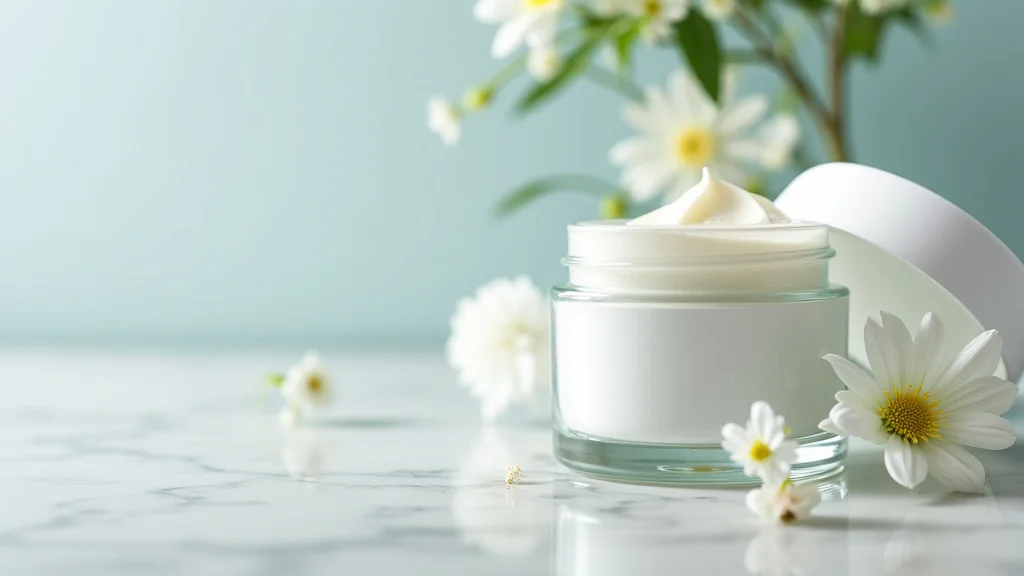
- Cream Masks: Cream masks typically provide rich hydration, perfect for dry or sensitive skin. They often contain moisturizing ingredients like hyaluronic acid or ceramides. These are often easier to apply and remove, making them a great starting point for those new to masks.
- Clay Masks: Clay masks are famous for their ability to draw out impurities and control oil. They work great for oily and acne-prone skin. Ingredients like kaolin clay or bentonite clay absorb excess sebum and gently exfoliate, leaving skin feeling refreshed and clean.
- Sheet Masks: Sheet masks are single-use masks made of various materials, soaked in serum-like solutions. They are convenient and provide a quick boost of hydration or specific treatment. The sheet helps the serum penetrate the skin efficiently.
- Gel Masks: Gel masks offer a lightweight, cooling sensation, making them suitable for sensitive or irritated skin. These masks typically offer hydration and soothing properties and may feature ingredients like aloe vera or cucumber.
- Peel-Off Masks: Peel-off masks dry into a film that you then peel off. They’re designed to remove dead skin cells and superficial impurities. These masks can make the skin feel instantly smoother and brighter.
- Exfoliating Masks: Exfoliating masks are designed to slough off dead skin cells, promoting a brighter complexion. They often include chemical exfoliants, such as AHAs (alpha hydroxy acids) or BHAs (beta hydroxy acids), or physical exfoliants.
Cream masks are usually thicker in consistency and are designed to soften and moisturize the skin. They are beneficial for mature skin as they provide ample hydration to diminish fine lines and wrinkles. Many cream masks have a soothing scent, making them a calming and luxurious addition to any skincare routine.
Clay masks may often contain other beneficial elements, such as charcoal to extract toxins, or specific minerals and vitamins to support skin health. Application typically involves applying a thin layer and allowing it to dry. The drying process is what helps draw out impurities. After the mask dries, it’s washed off, revealing clearer skin.
Sheet masks are available for numerous skin needs, from brightening to anti-aging. They are often infused with potent ingredients like vitamins, antioxidants, and peptides. The sheet mask forms a physical barrier, which promotes better absorption and helps the skin retain moisture. They’re great for travel or when you need a fast and effective treatment.
Gel masks have a translucent appearance and are comfortable to wear. They can provide instant relief from inflammation and sunburns. The gel formula usually spreads easily across the skin, and they are simple to incorporate into a regular skincare routine, offering instant comfort and hydration.
Peel-off masks are often marketed for their ability to remove blackheads and other impurities. They typically contain ingredients like polymers that form the peel-off film. When removing the mask, you’re gently exfoliating the top layer of the skin. It’s essential to be careful when removing these masks, to avoid irritation.
Exfoliating masks assist in removing a buildup of dead skin cells and promote cell turnover, revealing smoother, more radiant skin. These masks may reduce fine lines, wrinkles, and uneven skin tone. These masks should be used sparingly because overuse can cause sensitivity.
Identifying Your Skin Type for Mask Selection
The foundation of an effective facial mask routine is understanding your unique skin type. What works for one person may not work for another. Every person’s skin has unique needs. This section will help you determine your skin type, whether it’s oily, dry, combination, or sensitive. You’ll also explore the specific mask ingredients and formulations that cater to these different skin needs. Your goal is to select the most suitable masks for a healthier, more balanced complexion.
Understanding Different Skin Types
Different skin types have distinct characteristics that affect how they respond to various products and treatments. Knowing your skin type is essential for choosing the right facial masks that address your needs. Skin can change over time. Being aware of your skin’s condition is essential to creating a personalized skincare routine.
- Oily Skin: Oily skin is characterized by excess sebum production, often appearing shiny, with enlarged pores and a tendency to breakouts. The most beneficial masks often contain ingredients to control oil production and remove impurities.
- Dry Skin: Dry skin feels tight, may flake, and can be prone to irritation. The ideal masks for dry skin types must add moisture and hydration.
- Combination Skin: Combination skin has a mix of oily and dry areas, usually oily in the T-zone (forehead, nose, and chin) and dry on the cheeks. This type requires a balanced approach that addresses both concerns.
- Sensitive Skin: Sensitive skin is prone to redness, irritation, and allergic reactions. Masks for sensitive skin should be gentle, fragrance-free, and hypoallergenic.
Individuals with oily skin may benefit from clay masks, which absorb excess oil and reduce shine. Ingredients like salicylic acid or charcoal are also beneficial in these masks because they help clear pores and prevent acne. It’s best to aim for masks that purify the skin and are non-comedogenic.
For those with dry skin, cream or hydrating masks are most beneficial. Masks with ingredients like hyaluronic acid, glycerin, and ceramides will help to restore moisture. Using masks that offer soothing benefits and natural oils, such as shea butter or avocado oil, is beneficial.
Combination skin types may benefit from using different masks in different areas of the face. For example, a clay mask in the T-zone and a hydrating mask on the cheeks. Products with a combination of ingredients that address oil control and hydration, are also an effective solution. This approach is beneficial in targeting the needs of different areas.
Sensitive skin benefits greatly from calming and hydrating masks. Look for masks with ingredients like aloe vera, chamomile, or calendula, which help soothe the skin. Always do a patch test before applying a mask to the entire face. Using masks with minimal ingredients reduces the chance of reaction.
Decoding Ingredients: What to Look For and Avoid
Reading and understanding a facial mask’s ingredients is a critical step to ensure that the product is right for your skin. Recognizing the positive and potentially negative ingredients helps you make informed choices. This section examines key ingredients, their functions, and things to avoid to maximize the effectiveness of your facial mask and minimize any undesirable effects. Knowledge of ingredients empowers you to choose masks that help achieve your skincare goals.
Key Ingredients to Seek Out
Certain ingredients offer specific benefits for skin health. When choosing a facial mask, the ingredient list is critical. The ingredients affect how well a mask works and its impact on your skin. These components are beneficial in several masks, addressing many skin problems.
- Hyaluronic Acid: Hyaluronic acid is an exceptionally potent humectant, meaning it draws moisture from the environment into the skin. It helps to plump the skin, reducing the appearance of fine lines and wrinkles.
- Vitamin C: Vitamin C is a powerful antioxidant that brightens the skin and protects against environmental damage. It helps to reduce hyperpigmentation and even out skin tone.
- Niacinamide: Niacinamide, a form of vitamin B3, is a versatile ingredient that offers numerous benefits. It helps to minimize the appearance of pores, reduce inflammation, and regulate oil production.
- AHAs and BHAs: Alpha hydroxy acids (AHAs) and beta hydroxy acids (BHAs) are chemical exfoliants that remove dead skin cells. AHAs, like glycolic and lactic acid, exfoliate the skin’s surface, while BHAs, like salicylic acid, penetrate the pores to remove oil and debris.
Hyaluronic acid can hold up to 1,000 times its weight in water, offering deep and long-lasting hydration. This ingredient is suitable for all skin types, but it’s especially beneficial for dry or dehydrated skin. Regular use of products with hyaluronic acid can lead to a more hydrated, supple complexion.
Vitamin C shields the skin from free radicals. It also supports collagen production, which helps maintain skin elasticity. Vitamin C is often used in masks to give skin a more luminous and youthful look.
Niacinamide can improve skin texture and tone and is beneficial for those with acne or rosacea. This ingredient helps strengthen the skin barrier and reduces moisture loss, offering a comprehensive skincare approach.
These ingredients can improve skin texture and reduce the appearance of wrinkles, acne, and pigmentation. They should be used with caution, as excessive use can cause irritation. AHAs and BHAs are best suited for those looking to exfoliate and improve skin texture.
Ingredients to Avoid
Certain ingredients can be irritating or harmful to your skin. Being aware of these elements helps you choose products that won’t cause breakouts or reactions. This information enables you to avoid potential problems and choose masks that will improve your skin’s health. Taking steps to avoid irritating or harmful ingredients will help you find the best facial mask.
- Fragrances: Fragrances are a common cause of skin irritation and allergic reactions. These can be natural or synthetic.
- Parabens: Parabens are preservatives used to extend the shelf life of products. They have been linked to hormonal disruption and allergic reactions.
- Sulfates: Sulfates are detergents that create a foaming effect in skincare products. They can be harsh and strip the skin of its natural oils.
- Alcohol: Some types of alcohol, such as denatured alcohol, can be drying and irritating to the skin. These are often used as solvents or to help products dry quickly.
- Phthalates: Phthalates are chemicals used to make plastics and are also used in some cosmetics. They have been linked to hormonal disruption and potential health risks.
Fragrances are often added to products to provide a pleasant scent. They can lead to redness, itching, and rashes, particularly in sensitive skin. It is recommended to choose fragrance-free masks.
Parabens are sometimes included in masks to prevent bacterial growth. Due to their possible negative impacts on health, many people are choosing products free from parabens.
Sulfates can cause dryness and irritation, especially for sensitive skin. Some common sulfates to avoid include sodium lauryl sulfate (SLS) and sodium laureth sulfate (SLES). Choosing sulfate-free masks will help keep your skin’s moisture balance.
Alcohol can disrupt the skin’s natural barrier. This can lead to dryness, irritation, and an increase in sensitivity. The use of masks with alcohol should be avoided.
Phthalates are added to many personal care products to enhance fragrance or improve the texture. Avoiding products containing phthalates reduces exposure to these chemicals.
Application and Removal Techniques
Correct application and removal techniques can significantly impact the effectiveness of any facial mask. Proper preparation, application, and removal are fundamental to gaining the most from your skincare routine. This section provides detailed guidance on the process to ensure you maximize benefits and avoid common mistakes. Proper usage will contribute to healthier and more radiant skin.
Step-by-Step Application Guide
Achieving the best results with a facial mask depends greatly on correct application. Starting with a clean face and following precise steps will maximize the benefits and improve your overall skincare results. This simple process can help you achieve healthy and glowing skin.
- Preparation: Start with a clean face. Gently cleanse your face to remove makeup, dirt, and impurities. Exfoliate once or twice a week to remove dead skin cells.
- Application: Apply a thin, even layer of the mask to your face, avoiding the eye and lip areas. Use clean hands or a spatula.
- Wait Time: Allow the mask to sit for the recommended time on the product’s instructions.
- Removal: Rinse the mask off thoroughly with lukewarm water. Pat your face dry with a soft towel.
- Post-Mask Care: Follow up with a serum, moisturizer, and sunscreen during the daytime.
Prepping your face creates a clean canvas. This will help the mask to fully penetrate into the skin. Cleaning and exfoliating your face promotes a cleaner, more radiant appearance.
Applying a thin, even layer guarantees that the mask works as intended and prevents excessive product use. Avoiding sensitive areas is critical to avoid irritation or harm.
The wait time varies depending on the type of mask. Adhering to the instructions ensures that the ingredients work well. This process promotes optimal results.
Removing the mask completely prevents any residual product from blocking pores. Patting the skin dry is gentler than rubbing. After removal, your skin is ready for the next steps in your skincare routine.
After the mask, the skin may be more receptive to the benefits of other products. Adding a serum, moisturizer, or sunscreen will help improve and maintain the results. This approach helps boost and protect your skin.
Proper Removal Techniques
The way you remove a facial mask can impact your skin’s health. If done incorrectly, removing a mask may irritate the skin or interfere with its advantages. This guide provides information on the best ways to remove different kinds of masks and the care steps to follow. This will guarantee your skin gets the full advantages from the mask.
- Cream Masks: Gently rinse off cream masks with warm water, using circular motions to massage the skin.
- Clay Masks: Rinse off clay masks with warm water. You can use a washcloth to gently exfoliate and remove any remaining clay.
- Sheet Masks: Remove sheet masks after the recommended time. Gently pat the remaining serum into your skin.
- Gel Masks: Gently rinse gel masks with warm water, ensuring all residue is gone.
- Peel-Off Masks: Carefully peel off the mask, starting from the edges.
Cream masks are gentle and do not require excessive force for removal. Gently massaging will promote blood circulation. Rinsing with warm water removes residue and prepares the skin for other treatments.
Clay masks may dry and cling to the skin. Use a damp washcloth to remove them and gently exfoliate the skin. Be gentle to avoid irritation. This can eliminate impurities and clear pores.
Sheet masks are typically saturated with serum. This serum is full of beneficial ingredients for the skin. It’s best to pat the extra serum into the skin.
Gel masks are gentle and easy to remove. Gently rinsing them off ensures that your skin remains clean and prepared for other treatments.
Peel-off masks dry into a film. Take your time to peel it off starting from the edges. This process should be done without pulling or tugging to prevent damage to the skin.
Incorporating Masks Into Your Routine
To benefit most from facial masks, it is important to incorporate them into your skincare regimen. Establishing a consistent schedule and combining masks with other treatments can amplify your benefits. This section will guide you through how to blend masks into your skincare routine. The goal is to optimize the effectiveness of your skincare for the best results.
Creating a Skincare Schedule
Creating a consistent schedule is important. The right frequency of use depends on your skin type and the mask type. Some facial masks are best used weekly, while others may be used more or less often. A balanced routine will help you achieve the greatest outcomes.
- Weekly Use: Many clay, exfoliating, and peel-off masks are most effective when used once or twice a week. This frequency allows the skin to benefit without over-exfoliation.
- Multi-Weekly Use: Hydrating sheet masks and cream masks can be used 2-3 times per week, particularly when your skin is dry.
- Combination Approach: Combination skin may benefit from using different masks on different days or focusing on specific areas.
These masks remove impurities and dead skin cells. The use of masks once or twice a week is frequently sufficient. Excessive use can cause sensitivity or irritation.
Hydration is a primary focus for these masks. Regular use replenishes moisture levels and promotes a healthy glow. If the skin is very dry, increased use may be necessary.
Combine masks based on the needs of your skin. For example, use a clay mask on the T-zone and a hydrating mask on the cheeks. This approach maximizes the benefits of all types of masks.
Combining Masks With Other Skincare Products
Facial masks work best when combined with other skincare products. Knowing how to combine your routine with other items like cleansers, serums, and moisturizers will help maximize the benefits. The goal is to create a well-rounded skincare routine, improving the health and appearance of your skin. The right combination can amplify the positive effects of your facial mask.
- Cleansing: Always start with a clean face.
- Exfoliation: Exfoliate one or two times a week to remove dead skin cells.
- Serums: Use a serum after removing the mask and before your moisturizer.
- Moisturizing: Apply a moisturizer after the serum.
Use a gentle cleanser to remove makeup, dirt, and oil before applying a mask. This creates a clean base and helps the mask components fully penetrate the skin. Cleansing also improves mask effectiveness.
Exfoliation enhances the mask’s impact by removing dead cells and enhancing absorption. Use chemical or physical exfoliants based on your skin type. Avoid exfoliating too often to prevent skin sensitivity.
Apply a serum with concentrated ingredients such as vitamin C or hyaluronic acid. Serums work well because the skin is very receptive after using a mask. A serum will boost hydration and improve the mask’s effects.
Moisturizers lock in the serum and mask ingredients, providing a moisture barrier. Choose a moisturizer to suit your skin type. Regular use helps keep your skin hydrated and protected.
Common Myths Debunked
There are many misconceptions about facial masks. Addressing these myths helps you make informed choices about your skincare regimen and maximize the advantages of masks. The aim is to eliminate false beliefs, and promote factual knowledge. This knowledge can improve your understanding and benefit your overall skin health.
Myth 1: All masks are the same.
Reality: There is a wide variety of facial masks, each designed to treat specific skin needs. Clay masks, cream masks, sheet masks, gel masks, and peel-off masks each serve different purposes. Clay masks focus on oil control and deep cleaning, while cream masks offer hydration. Sheet masks deliver concentrated serums, and peel-off masks remove dead skin cells. It’s crucial to select masks based on your skin type and requirements to get the best outcomes.
Myth 2: The longer the mask is on, the better.
Reality: This is not always true. Adhering to the manufacturer’s directions is essential. Leaving a mask on for too long can result in skin irritation and drying. For example, clay masks that dry out the skin will cause sensitivity if kept on for an extended period. Always follow the product’s advised application time for best results and to prevent adverse reactions.
Myth 3: Masks can replace a full skincare routine.
Reality: Masks are helpful, but they cannot
Myth 4: If a mask causes tingling, it’s working.
Reality: Slight tingling is acceptable with some masks, particularly those containing active ingredients such as AHAs/BHAs. Excessive or painful tingling suggests irritation. Discontinue using the mask and rinse off immediately if this happens. Overly powerful products can lead to irritation and damage to the skin’s barrier.
Myth 5: All-natural masks are always the best.
Reality: Natural masks can be beneficial, but not always. “Natural” does not always equate to “safe” or “effective”. Some natural components can cause allergies or irritation, depending on the person’s sensitivity. Always read the ingredient list carefully and check for patch testing to ensure the mask is a good fit. Some scientifically-formulated masks contain ingredients with proven efficacy that may work better than a natural mask.
Frequently Asked Questions
Question: How often should I use a facial mask?
Answer: It depends on the type of mask and your skin type. Generally, clay or exfoliating masks can be used once or twice a week, while hydrating masks can be used 2-3 times per week or as needed.
Question: Can I use different masks on different areas of my face?
Answer: Yes, you can. It’s called multi-masking. You can apply different masks to different areas of your face based on their specific needs.
Question: Are facial masks suitable for all skin types?
Answer: Yes, but the key is choosing the right mask for your skin type. There are masks for oily, dry, sensitive, and combination skin.
Question: Can I make my own facial masks at home?
Answer: Yes, you can. However, be cautious when using homemade masks, ensuring you test them on a small area of skin first and use fresh, safe ingredients.
Question: When should I apply a facial mask in my skincare routine?
Answer: Apply a facial mask after cleansing and exfoliating your face. Follow up with a serum and moisturizer.
Final Thoughts
Choosing the right facial mask can transform your skincare routine, offering targeted solutions to common concerns and enhancing the overall health of your skin. By understanding the various types of masks, identifying your unique skin type, and learning how to interpret ingredient lists, you can make informed decisions. Learning the correct application and removal techniques, combined with consistent use as part of your skincare routine, will boost the benefits of your masks. Masks help you manage your skin’s health and enhance its appearance. Use masks regularly to improve your skin.
Leave a Reply