


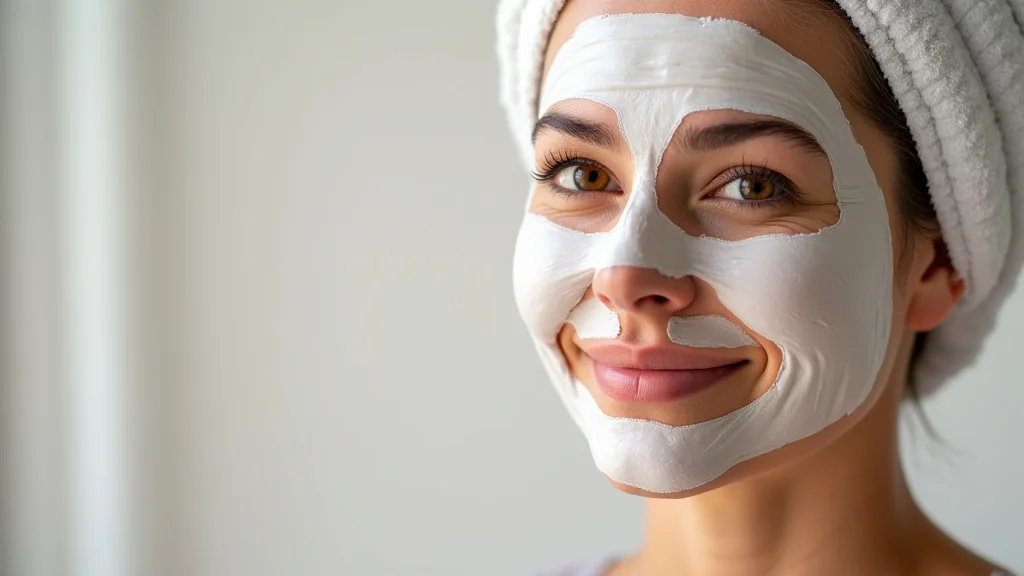
Picture this: you’re sitting with friends, and the conversation turns to skincare. Suddenly, someone mentions how amazing their skin looks. Then you glance in the mirror and notice subtle changes, a few more lines, a bit less radiance. You start searching for solutions, maybe starting with trying to identify the best facial masks for older women. This post is for you. We’ll explore the world of masks specifically formulated to address the unique needs of mature skin. You’ll gain valuable insights, learn about key ingredients, and discover how to choose the right masks for your skin type, ultimately improving your skincare routine and building confidence. Read on to transform your skincare regimen and achieve a radiant glow!
Key Takeaways
- You will learn about the best facial masks specifically formulated for mature skin.
- You’ll discover key ingredients that target fine lines, dryness, and other age-related concerns.
- You will be guided through selecting masks suited for different skin types and individual needs.
- You will understand how to incorporate facial masks into your regular skincare routine.
- You can explore the benefits of regular mask use, including improved hydration and a more youthful appearance.
- You can gain practical tips to maximize the effectiveness of your chosen facial masks.
Unveiling The Best Masks for Mature Skin
Choosing the right facial mask can feel overwhelming, especially when the skincare market is overflowing with options. For older women, the goal is often to address concerns like dryness, fine lines, and loss of firmness. Masks offer a concentrated dose of active ingredients, delivering targeted care. Effective masks work to hydrate, revitalize, and support the skin’s natural processes. Selecting the best options for your skin type and specific concerns will significantly enhance your routine. These masks become an essential component in maintaining a youthful, healthy complexion. Explore the world of facial masks to discover the perfect choices for radiant, refreshed skin.
Hydrating Masks: Quenching Thirsty Skin
Dry skin is a common concern as we age, with the skin’s natural ability to retain moisture decreasing. Hydrating masks are formulated to combat this, providing intense moisture and improving skin elasticity. They often contain humectants, which draw moisture to the skin, and emollients, which create a barrier to prevent moisture loss. Regular use can lead to a plumper, more hydrated complexion, smoothing the appearance of fine lines and wrinkles. Consider these masks a vital element in any skincare routine focused on maintaining a healthy, youthful glow, especially during drier seasons.
- Hyaluronic Acid Masks: Hyaluronic acid is a powerful humectant that attracts and retains moisture. These masks provide immediate hydration and can help plump the skin, reducing the appearance of fine lines.
- Ceramide Masks: Ceramides are lipids naturally present in the skin’s barrier. Masks containing ceramides help strengthen this barrier, preventing moisture loss and protecting against environmental stressors.
- Aloe Vera and Glycerin Masks: Aloe vera is renowned for its soothing and hydrating properties, while glycerin also attracts and holds water. Masks with these ingredients provide gentle hydration and can calm irritated skin.
Hyaluronic acid, naturally occurring in our bodies, can hold up to 1,000 times its weight in water. This incredible property makes it a standout ingredient in skincare, delivering intense hydration. These masks help the skin appear smoother and more supple. Look for masks with different molecular weights of hyaluronic acid; some can penetrate deeper layers of the skin, offering greater benefits. Regular use can significantly improve skin’s moisture levels, resulting in a healthy, vibrant appearance.
As we age, ceramide production decreases, leading to a weakened skin barrier. This can result in dryness, irritation, and increased sensitivity. Ceramide masks replenish these essential lipids. By repairing the skin’s barrier, these masks can reduce dryness, improve skin’s texture, and provide protection against external irritants. They are an excellent choice for those experiencing sensitivity or who want to maintain overall skin health. They promote a healthier, more resilient complexion.
Aloe vera, with its natural soothing and anti-inflammatory properties, is gentle and effective for many skin types. Glycerin is a humectant that helps to attract moisture from the atmosphere to the skin, keeping it hydrated. These masks are great for sensitive skin, offering a calming effect. They’re also beneficial after sun exposure or other environmental stressors. The combination of aloe vera and glycerin ensures that the skin receives both immediate relief and sustained hydration, helping to maintain a healthy, balanced complexion. They’re ideal for those looking for gentle yet effective hydration.
Anti-Aging Masks: Fighting the Signs of Time
Anti-aging masks focus on reducing the visible signs of aging, such as fine lines, wrinkles, and loss of firmness. These masks include ingredients that stimulate collagen production, improve skin elasticity, and protect against environmental damage. With consistent use, anti-aging masks can help promote a firmer, more youthful appearance. Choosing the right anti-aging mask is crucial for maintaining radiant, younger-looking skin, improving skin texture and reducing the appearance of wrinkles.
- Retinol Masks: Retinol, a derivative of vitamin A, is a potent ingredient that boosts collagen production and reduces the appearance of wrinkles and fine lines.
- Peptide Masks: Peptides are amino acids that are the building blocks of proteins, including collagen. Peptide masks help stimulate collagen production and improve skin elasticity.
- Vitamin C Masks: Vitamin C is a powerful antioxidant that protects the skin from free radical damage and helps brighten the complexion.
Retinol is known for its effectiveness in addressing aging skin. These masks stimulate cell turnover, promoting smoother, more even-toned skin. Retinol also helps to reduce the appearance of enlarged pores. Regular use can lead to visible improvements in skin texture and a reduction in wrinkles. Start with a lower concentration and gradually increase as tolerated to avoid irritation. Retinol masks should typically be used at night because retinol can make skin more sensitive to sunlight.
Peptides act as messengers, signaling the skin to produce more collagen. These masks help restore firmness and reduce the appearance of fine lines. Peptides also have antioxidant properties, protecting the skin from environmental damage. Peptide masks are a great option for promoting a more youthful appearance. They can be used daily without causing irritation, making them a good addition to any anti-aging skincare regimen. With regular use, expect a firmer, more resilient complexion.
Vitamin C protects against environmental aggressors like pollution and sun exposure, preventing premature aging. These masks can improve skin tone, reduce hyperpigmentation, and boost collagen production. Consistent use results in a brighter, more radiant complexion. Vitamin C masks are perfect for those wanting to protect their skin from environmental damage. Look for masks with stable forms of vitamin C to ensure maximum effectiveness. Vitamin C masks contribute to overall skin health and give a more vibrant appearance.
Brightening Masks: Achieving a Radiant Complexion
Brightening masks are designed to reduce dullness and promote a radiant complexion. They often contain ingredients that exfoliate dead skin cells, even skin tone, and improve overall luminosity. Regular use can lead to a more even, glowing appearance. These masks are an excellent addition for anyone seeking to revitalize their skin and achieve a natural, healthy glow. Selecting the best mask will help to bring out the skin’s natural radiance and leave it looking refreshed.
- Glycolic Acid Masks: Glycolic acid is an alpha-hydroxy acid (AHA) that exfoliates the skin, removing dead skin cells and revealing a brighter complexion.
- Turmeric Masks: Turmeric has anti-inflammatory and antioxidant properties and can help brighten the skin tone and reduce the appearance of dark spots.
- Vitamin E Masks: Vitamin E is a powerful antioxidant that protects the skin from damage and can help to brighten the skin’s appearance.
Glycolic acid promotes cell turnover, helping to reduce the appearance of dark spots and uneven skin tone. These masks can also improve the absorption of other skincare products. They are particularly effective in smoothing skin texture and minimizing the appearance of fine lines. Using a glycolic acid mask a few times a week can significantly improve skin radiance. After use, make sure to apply sunscreen, as your skin may be more sensitive to sunlight.
Turmeric is known for its ability to reduce inflammation and promote an even complexion. These masks help to calm irritated skin and fight free radical damage. They can also help to fade hyperpigmentation, resulting in a more even skin tone. Turmeric masks are a natural way to achieve a brighter complexion. They are also gentle enough to use a few times a week. The result is glowing, healthy skin.
Vitamin E protects against environmental damage while also working to hydrate and nourish the skin. These masks help to reduce the appearance of dark spots and even skin tone. They also provide a boost of hydration, leaving the skin feeling soft and supple. Vitamin E masks are great for those looking to improve skin radiance and protect against external factors. They are suitable for all skin types and provide a natural glow. The result is healthy, protected, and radiant skin.
Choosing The Best Facial Masks For Older Women: Skin Type Matters
Your skin type plays a pivotal role in selecting the most effective facial masks. Understanding your skin’s unique characteristics is key to achieving optimal results and avoiding potential irritation. Whether you have dry, oily, sensitive, or combination skin, choosing masks specifically formulated for your needs will enhance your skincare routine. Always consider ingredients and their potential impact on your skin. Customizing your mask selection ensures you’re giving your skin precisely what it needs to thrive and maintain a youthful appearance. This targeted approach is important in maximizing the effectiveness of each mask.
Dry Skin: Deep Hydration and Nourishment
Dry skin often lacks moisture, resulting in a tight, flaky, and sometimes itchy feeling. The best facial masks for older women with dry skin are those that provide deep hydration and nourishment to replenish moisture levels and improve skin elasticity. Look for ingredients that soothe and protect the skin’s barrier. Regular use can alleviate dryness, smooth texture, and restore a healthy, radiant glow. The aim is to create a mask routine that helps to retain moisture.
- Ingredients to Look For: Hyaluronic acid, ceramides, glycerin, shea butter, and essential oils like rosehip or avocado oil.
- Mask Types to Consider: Cream masks, hydrating sheet masks, and overnight masks.
- Frequency of Use: 2-3 times per week, or as needed, especially in dry climates or during colder months.
These ingredients are known for their hydrating and emollient properties. Hyaluronic acid pulls in moisture, ceramides help to reinforce the skin barrier and prevent moisture loss, while shea butter and essential oils provide deep nourishment. This combination helps to provide hydration and prevent moisture evaporation, helping to keep skin feeling plump and healthy. For those with dry skin, ingredients like these are essential.
Cream masks offer a rich texture and provide intense hydration, while sheet masks seal in moisture and allow ingredients to penetrate the skin. Overnight masks provide extended hydration and repair overnight. The specific application method is what makes these types ideal for dry skin. Choose masks that feel luxurious and help to hydrate, soothe, and nourish your skin to combat dryness and keep skin feeling supple.
The frequency of use may vary depending on the severity of the dryness and the environment. Consider using masks more frequently during dry or harsh weather. Maintaining consistent hydration will help restore and maintain the skin’s natural moisture balance. Tailor your frequency based on how your skin feels and reacts. The key is to listen to your skin and adjust your routine accordingly to achieve and maintain optimal hydration.
Oily Skin: Balancing and Cleansing
Oily skin produces excess sebum, which can lead to clogged pores, breakouts, and a shiny appearance. Facial masks designed for oily skin focus on balancing oil production, cleansing pores, and providing gentle exfoliation. The goal is to clear away excess oil, remove impurities, and promote a clear, healthy complexion. Effective mask choices can lead to a reduction in breakouts and a clearer, more balanced appearance. A routine with carefully selected masks is essential for managing oily skin.
- Ingredients to Look For: Clay, charcoal, salicylic acid, tea tree oil, and sulfur.
- Mask Types to Consider: Clay masks, charcoal masks, and peel-off masks.
- Frequency of Use: 1-2 times per week, depending on skin sensitivity.
Clay and charcoal are absorbent and help to draw out impurities, while salicylic acid exfoliates and unclogs pores. Tea tree oil has antibacterial properties to help control breakouts, and sulfur can help regulate oil production. When used properly, these ingredients can create a significant improvement in the skin’s condition. Incorporating masks with these ingredients can help balance oil production and improve skin clarity.
Clay and charcoal masks are great for absorbing excess oil and impurities, while peel-off masks can provide a deep cleansing effect. These types can remove dead skin cells and other impurities to help clarify and smooth the skin’s texture. The right mask type is essential for controlling oil production. These masks can greatly improve the skin’s condition.
If you have sensitive skin, start with once a week. Clay masks can be drying, so it’s important not to overdo it. Monitor how your skin reacts and adjust the frequency accordingly. Overusing can strip the skin of its natural oils, leading to more oil production. The goal is to achieve a balanced routine.
Sensitive Skin: Gentle Care and Soothing Ingredients
Sensitive skin is prone to irritation, redness, and inflammation. The best facial masks for older women with sensitive skin should prioritize gentle, soothing ingredients that calm the skin. This means avoiding harsh chemicals and fragrances that can trigger reactions. The goal is to nourish and soothe the skin without causing additional irritation. Consistency and a focus on mild formulations are critical when selecting masks. A well-chosen mask routine can provide essential hydration and support skin health.
- Ingredients to Look For: Aloe vera, chamomile, oatmeal, green tea, and hyaluronic acid.
- Mask Types to Consider: Cream masks, gel masks, and sheet masks formulated for sensitive skin.
- Frequency of Use: 1-2 times per week or as needed, based on skin tolerance.
Aloe vera and chamomile have anti-inflammatory and soothing properties. Oatmeal can help relieve itching and irritation, while green tea provides antioxidants. Hyaluronic acid offers hydration without causing irritation. The right ingredients can help create a soothing experience. The goal is to calm sensitive skin. These ingredients are ideal for soothing sensitive skin.
Cream and gel masks provide gentle hydration and are usually free of irritating ingredients. Sheet masks can also be a good option because they provide a concentrated dose of soothing ingredients. Look for products that are fragrance-free, hypoallergenic, and formulated specifically for sensitive skin. These types deliver moisture without causing irritation.
Start with a patch test before applying the mask to your entire face to make sure there are no negative reactions. Monitor how your skin reacts to the mask, and adjust the frequency accordingly. The key is to prioritize gentle care. If you experience any irritation, discontinue use immediately. Careful attention will help you to find the perfect frequency.
Incorporating Masks Into Your Skincare Routine
To maximize the benefits of facial masks, it’s essential to incorporate them properly into your skincare routine. This includes preparing your skin, choosing the right time for application, and understanding how often to use the masks. Consistent and correct use can significantly enhance your skin’s overall health and appearance. Understanding how facial masks interact with the other elements of your routine is important for long-term effectiveness. This targeted approach ensures that your skincare regimen meets your skin’s needs. Incorporating them thoughtfully is essential.
Step-by-Step Mask Application
- Cleanse Your Face: Begin with a gentle cleanser to remove makeup, dirt, and impurities.
- Exfoliate (Optional): Gently exfoliate once or twice a week to remove dead skin cells, which can improve mask efficacy.
- Apply the Mask: Use clean hands or a mask brush to apply the mask evenly over your face, avoiding the eye area.
- Let It Sit: Follow the product instructions for the recommended time, usually 10-20 minutes.
- Rinse or Remove: Rinse the mask thoroughly with lukewarm water or remove according to the product instructions.
- Follow Up: Apply your regular skincare products, such as serum, moisturizer, and sunscreen.
Cleansing creates a clean base and helps the mask to penetrate the skin more effectively. Use a cleanser designed for your skin type. Make sure your skin is clean and ready for treatment.
Exfoliation, if appropriate for your skin, helps to create a smooth surface and allows the mask ingredients to penetrate more deeply. Choose a gentle exfoliator that is appropriate for your skin type. This step isn’t needed with every mask application but can greatly boost effectiveness.
Applying the mask evenly guarantees that all areas of your face receive equal treatment. Make sure you avoid applying the mask too close to your eyes or lips. Proper application is a key factor.
The instructions should provide a specific time for the mask to remain on your face. Leaving a mask on for too long can sometimes dry out or irritate your skin. Adhering to the manufacturer’s directions will give you the best results.
Ensure you remove all traces of the mask to prevent residue. If the mask is a peel-off type, remove it gently. Rinse thoroughly to ensure that there are no remnants on your face. Thorough removal is essential for complete skin care.
Applying serum, moisturizer, and sunscreen will help to lock in the benefits of the mask. These steps will provide the correct support for your skin. Follow up with the rest of your routine after each mask application.
Timing and Frequency
- Optimal Times to Mask: Apply masks at night after your evening cleanse to allow the ingredients to work overnight. You can also mask during the day when you have time to relax and allow the mask to do its job.
- Frequency Recommendations: Depending on your skin type and the mask type, aim for 1-3 times a week.
- Pairing with Other Treatments: Consider coordinating your mask use with other skincare treatments, such as chemical exfoliants, to complement the effects.
Evening masking allows the ingredients to work without interruption. During the day, find a moment to relax and dedicate time to your skincare. The right timing allows for optimal effectiveness.
Adjust your mask frequency based on your skin’s needs. Too much masking can sometimes lead to irritation, so it is important to pay attention to your skin’s signals. The right frequency is essential for maximizing benefits.
If you’re using chemical exfoliants, space them out from your mask days to avoid over-exfoliation. Ensure that all the treatments you use work well together. By coordinating all your skincare elements, you’ll optimize your skin’s health.
Common Myths Debunked
Many misconceptions surround facial masks, and understanding the truth can help you make informed decisions and get the best results. Clarifying common myths will help you to enhance your skincare routine. This section provides accurate information and addresses these frequently asked questions. Separate fact from fiction, and you’ll improve your approach to facial masks, gaining better results and avoiding potential issues. Clear the air around some of the most pervasive myths and misconceptions.
Myth 1: All Masks Are the Same
Not all masks are created equal. Different types of masks are formulated to address specific skin concerns and use different ingredients. Choosing the wrong type can lead to disappointment or even negative reactions. Always consider your skin type and specific goals. Understand the ingredients and purposes of each mask to find the best options.
Myth 2: More Frequent Masking Means Better Results
Overuse of facial masks can lead to irritation, dryness, and a disrupted skin barrier. While regular masking can be beneficial, follow the product instructions and your skin’s signals. Listen to your skin and avoid overdoing it. Moderation ensures that you’re maximizing benefits without causing harm. It is best to avoid overuse.
Myth 3: Masks Are Only For Special Occasions
Facial masks can be easily integrated into your regular skincare routine. Regular use, tailored to your skin’s needs, can lead to consistent improvements in skin health and appearance. Make masks a part of your consistent care plan. Integrating masks into your regular routine enhances long-term results.
Myth 4: Masks With a Tingle Are Always Working
A slight tingle or warming sensation can indicate that a mask is active. This can be normal with certain types of masks, especially those with exfoliating ingredients. However, intense burning or irritation isn’t. If a mask causes discomfort, remove it immediately. Prioritize comfort and listen to your skin’s signals to avoid potential damage. Not all tingles are good.
Frequently Asked Questions
Question: How often should I use a facial mask?
Answer: It depends on the mask type and your skin’s needs, but usually 1-3 times per week is sufficient.
Question: Can I use facial masks every day?
Answer: It’s generally not recommended. Daily use can lead to irritation or dryness.
Question: Do I need to exfoliate before using a facial mask?
Answer: It’s optional, but gentle exfoliation 1-2 times per week can help the mask ingredients penetrate better.
Question: How long should I leave a mask on my face?
Answer: Follow the product instructions, but most masks are effective within 10-20 minutes.
Question: What should I do after using a facial mask?
Answer: Apply your regular skincare products, such as serum, moisturizer, and sunscreen.
Final Thoughts
As we’ve explored, the best facial masks for older women can be a powerful addition to any skincare routine, offering targeted solutions for age-related concerns. From hydrating masks to anti-aging formulations, the market provides options for every skin type and specific need. By focusing on key ingredients and understanding your skin’s particular needs, you can find masks that help you achieve a more radiant and youthful complexion. You should carefully select masks tailored to your skin type, incorporate them thoughtfully into your routine, and always be aware of your skin’s reactions. Take the time to discover the masks that best suit your skin, and enjoy the radiant, refreshed look that comes with consistent use. Treat your skin to some TLC, and experience the transformative effects. You deserve it!
Leave a Reply